


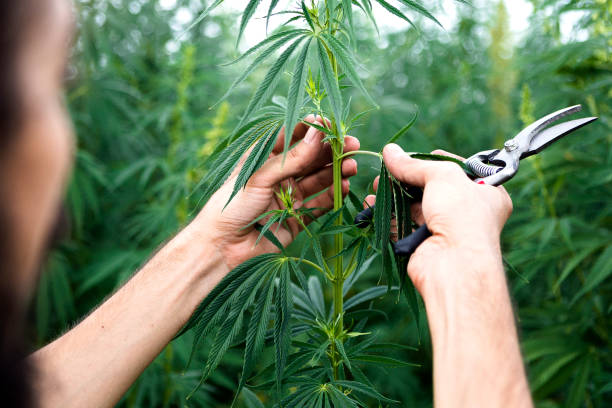

Afghan Kush at a glance
| Also known as | Afghani Kush (sometimes spelled Afgan Kush) |
|---|---|
| Type | Indica, landrace |
| Origin | Hindu Kush mountains, on the Afghanistan and Pakistan border |
| Lineage | Afghani landrace |
| Typical THC | Around 15% in Leafly's strain data, varying by grower and batch |
| Leading terpenes | Myrcene, β-caryophyllene, α-pinene |
| Aroma and flavor | Earthy, woody, hashy, with a faint sweetness |
| How people describe it | Relaxed and tingly, usually an evening strain |
Afghan Kush is a landrace indica from the Hindu Kush mountains, the range that runs along the Afghanistan and Pakistan border. You will also see it sold as Afghani Kush. It is myrcene-led, with β-caryophyllene and α-pinene behind it, which gives it the earthy, woody, hash-like smell it has been known for over centuries of cultivation.
What is Afghan Kush?
A landrace is a strain that developed in one place over a long stretch of time, shaped by its local climate and the people who grew it. Afghan Kush is one of the best known. Farmers in the Hindu Kush grew it for generations, mainly to make hash, and that history explains a lot about the plant: dense, blunt-topped buds, heavy resin and big yields were exactly what a hash maker wanted.
The resin is the reason the strain traveled. Afghan Kush has long been a source for traditional hash such as charas and the sticky black Afghani hash, and White Label Seed Company, a Sensi Seeds partner in the Netherlands, later made its seeds widely available. That is how a regional plant became one of the reference indicas for growers everywhere.
Lineage: where Afghan Kush comes from
Afghan Kush descends straight from the Afghani landrace, with no named parents crossed in. Its genetics then went on to shape a lot of what came after it.
| Parent | Afghani landrace (Hindu Kush region) |
|---|---|
| Descendants listed on Leafly | Black Afghan, Sapphire OG |
| Wider influence | Afghani genetics also sit behind indica classics such as Northern Lights |
If you are comparing indica profiles, the Blueberry Bubba guide and the best OG strains roundup show how far these mountain genetics reach into modern hybrids.
Aroma and flavor
Leafly's strain data describes Afghan Kush as woody, earthy, tarry and pungent, with a floral edge. In practice that comes across as old-school hash: a deep, resinous earthiness first, then wood, then a faint sweetness that keeps it from being flat.
Our Native® Afghan Kush blend reads it in more detail: tall, bruised grass and scorched dates, with undernotes of bitter orange, neem and salt-crusted hash.
Afghan Kush terpene profile
Three terpenes do most of the work in Afghan Kush, and they line up with the order in our blend.
- Myrcene leads. It is earthy, musky and herbal, and it is the main reason the strain smells the way it does. If myrcene-heavy strains are your thing, the highest myrcene strains list is the place to look next.
- β-Caryophyllene sits behind it with a peppery, woody spice that gives the hash note its edge.
- α-Pinene adds a fresh pine lift, which is why the profile never feels muddy.
Leafly's data also shows smaller amounts of linalool and humulene, which round out the floral and woody notes. Exact levels vary from grow to grow, so treat any single lab result as one plant, not the strain.
How people describe Afghan Kush
Consumer reviews on Leafly most often tag Afghan Kush as relaxed and tingly, and most people save it for the evening. It is not a social, chatty strain. People who like it tend to like it for its steadiness: a calm, grounded feel that matches its old-world reputation.
THC sits around 15% in Leafly's data, which is moderate by modern standards. Its reputation comes as much from the aroma and the way the terpenes present as from the THC number.
Recreating Afghan Kush in a product
For brands, Afghan Kush is a dependable base for an earthy, hash-forward profile. The Entour™ Native® Afghan Kush blend is built around the same myrcene, β-caryophyllene and α-pinene order, and the strain data card above shows the live price per mL at every size.
Typical starting rates from our application guides are 5 to 15% by weight in vape cartridges, 0.5 to 2% of the final product in edibles, 0.1 to 0.5% in beverages and 1 to 5% by weight in topicals. Test in your own base before scaling, since carrier oils and distillates change how a profile reads.
The easiest way to judge it is side by side with other profiles: add it to a build-your-own sample pack, or, if you are developing a product, ask us about a custom formulation.
Related strain guides
- Fire OG strain: effects, terpenes and flavor
- OG Kush terpene profile
- Northern Lights terpene profile
- Blueberry Bubba strain guide
- All strain terpene profiles, A to Z
Sources: Leafly strain data for Afghan Kush (lineage, typical THC, terpenes, flavors and consumer reviews); Entour™ product data for the Native® Afghan Kush blend.
Frequently Asked Questions
Is Afghan Kush an indica or a sativa?
Afghan Kush is an indica. It is a landrace from the Hindu Kush mountains on the Afghanistan and Pakistan border, and it is one of the reference indicas that many modern hybrids descend from.
Is Afghani Kush the same as Afghan Kush?
Yes. Afghani Kush is another name for the same strain, and you will also see it spelled Afgan Kush. All three refer to the Hindu Kush landrace.
What terpenes are in Afghan Kush?
Afghan Kush is myrcene-led, with β-caryophyllene and α-pinene behind it and smaller amounts of linalool and humulene. That is the same order our Native® Afghan Kush blend follows.
What does Afghan Kush smell like?
Earthy, woody and hashy, with a faint sweetness and a pine lift from the α-pinene. Our Native® blend describes it as bruised grass and scorched dates over bitter orange, neem and salt-crusted hash.
How strong is Afghan Kush?
Leafly's strain data puts typical THC around 15%, which is moderate by modern standards. Lab results vary by grower and batch, so check the certificate for any specific product.
Where does Afghan Kush come from?
It comes from the Hindu Kush mountain range, where it was grown for generations, largely for hash making. Seeds were later made widely available by White Label Seed Company, a Sensi Seeds partner in the Netherlands.
Read More
Golden Pineapple Strain: Genetics, Terpenes and Effects
Golden Pineapple is a tropical, pineapple-and-citrus hybrid with two competing family trees. Most databases list it as Golden Goat crossed with Pineapple Kush, while its best-known breeder, Green Bodh
Tahoe OG Strain: Terpenes, Lineage and Effects
Tahoe OG is a cut of OG Kush, one selected plant kept going as clones, named for the Lake Tahoe area of California where it is said to have surfaced. It smells of lemon and pine over damp earth. Lab d
Hindu Kush Strain: Terpene Profile, Smell, Effects and Landrace Roots
Hindu Kush is a pure indica landrace, named after the mountain range it comes from, which straddles Afghanistan and northwest Pakistan. It smells earthy and woody, with a sweet sandalwood note that Le