The anxiety treatment landscape is shifting. With over 60 million American adults experiencing mental illness in 2024 and 70% of consumers preferring natural supplements over synthetic options, people are searching beyond traditional pharmaceuticals for symptom support. Terpenes, the aromatic compounds that give cannabis its distinctive scent, are emerging as a compelling natural remedy.
Clinical research is catching up to what aromatherapy practitioners have long suggested. Studies now demonstrate that specific terpenes like Myrcene deliver sedative effects while Limonene provides anxiolytic properties through the endocannabinoid system. But here’s what makes the best terpenes for anxiety different from isolated compounds: the entourage effect. When you combine terpenes with a balanced THC:CBD ratio, the synergistic interaction amplifies therapeutic benefits while CBD mitigates THC-induced anxiety.
The conversation has evolved beyond simply identifying a calming strain. Today’s evidence-based approach examines terpene profile concentrations, delivery methods from vaping to topicals, and optimal cannabinoid ratios for daytime use without sedation. Clinical trials registered through 2025 are investigating these formulations for anxiety disorders, validating what careful COA reading and user experience have suggested: terpene combinations offer measurable relaxing effects for stress management.
What is the Best Terpene for Anxiety?
While no single compound works universally, five terpenes demonstrate the strongest clinical evidence for anxiety symptom support. Understanding which terpenes are best for anxiety depends on your specific needs, preferred delivery method, and desired effects throughout the day.
1. Linalool – This floral compound found in lavender delivers anxiolytic properties through GABA-A receptor modulation, making it effective for daytime use without sedation. Effective concentrations start at 0.5% in formulations.
2. Myrcene – Known for sedative effects, this earthy terpene enhances the entourage effect when combined with CBD. Concentrations above 0.3% provide measurable relaxing effects, though it may cause drowsiness.
3. Limonene – This citrus-scented terpene offers uplifting anxiolytic properties ideal for maintaining focus during anxiety episodes. Clinical research supports concentrations between 0.4-1.2% for optimal therapeutic effect.
4. Caryophyllene – Unique for binding directly to CB2 receptors, this peppery compound reduces physiological anxiety responses. Aromatherapy applications typically use 0.3-0.8% concentrations.
5. Nerolidol – Emerging research highlights this woody terpene’s sedative properties for promoting relaxation. Effective at lower concentrations (0.2-0.5%), it pairs well with Linalool for evening use.
| Terpene | Primary Effect | Best Delivery Method |
| Linalool | Calming without sedation | Vaping for rapid onset |
| Myrcene | Deep relaxation | Edibles for sustained relief |
| Limonene | Uplifting anxiety relief | Vaping or topicals |
| Caryophyllene | Physiological stress reduction | All methods effective |
| Nerolidol | Sedative relaxation | Edibles or tinctures |
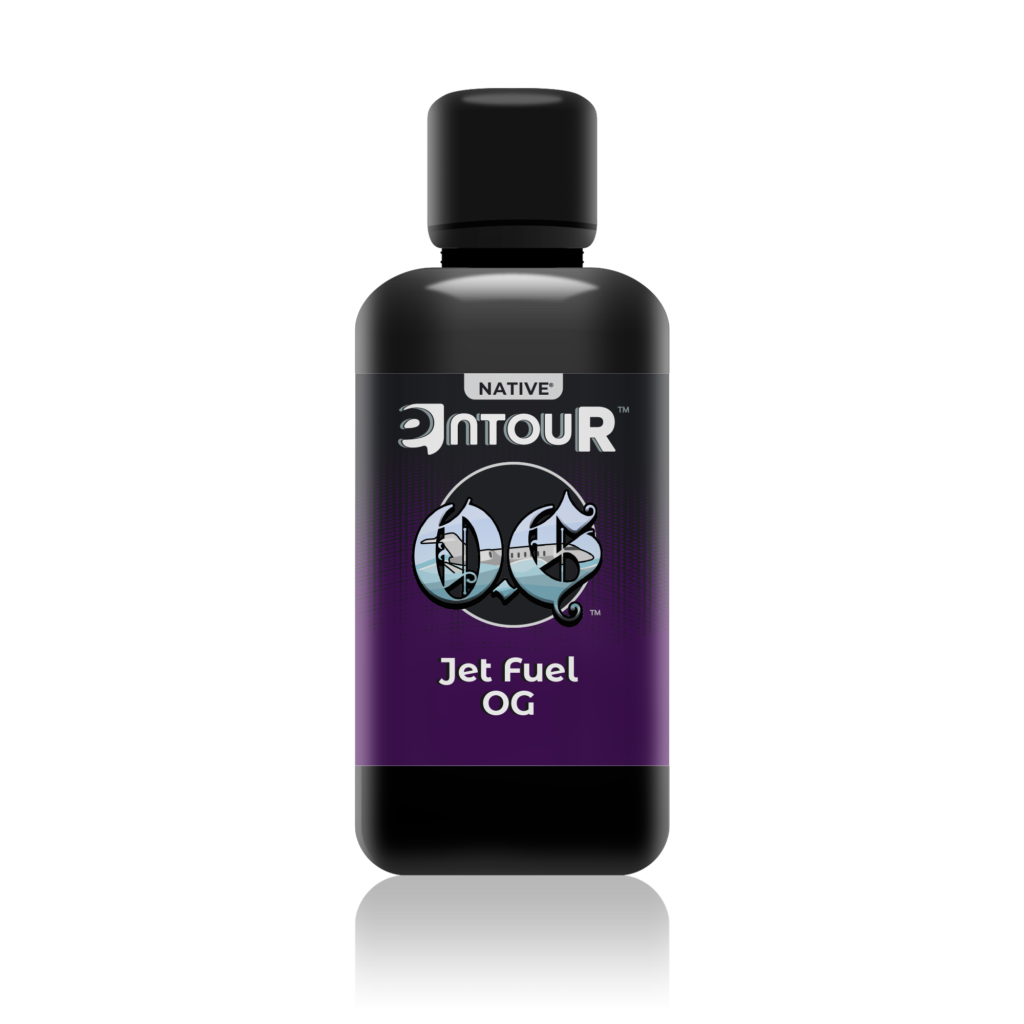
The best terpenes for anxiety work synergistically. Native Blends replicate natural terpene profiles where multiple compounds enhance each other’s therapeutic benefits through the entourage effect.
How Terpenes Work in Your Body to Reduce Anxiety
Your body’s endocannabinoid system regulates mood, stress responses, and emotional balance through specialized CB1 and CB2 receptors. Terpenes interact with these receptors and additional pathways like TRP channels to deliver anxiolytic properties. When you inhale or consume a terpene profile, these aromatic compounds cross the blood-brain barrier and modulate neurotransmitter activity.
CB2 receptors, concentrated in your peripheral nervous system and immune cells, respond particularly well to terpenes like Caryophyllene. This binding reduces inflammatory stress responses that contribute to anxiety symptoms. Meanwhile, compounds like Linalool work through GABA-A receptor modulation, the same mechanism targeted by pharmaceutical benzodiazepines but without dependency risks.
The entourage effect amplifies these mechanisms significantly. Research demonstrates that phytocannabinoid-terpenoid synergies create therapeutic outcomes exceeding what isolated compounds achieve alone. When you combine Myrcene’s sedative effects with CBD’s anxiety-mitigating properties and Limonene’s uplifting characteristics, the compounds enhance each other through complementary receptor interactions. This synergy explains why whole-plant terpene-based blends consistently outperform single-compound formulations in clinical applications.
Delivery method determines onset speed and duration. Vaping delivers terpenes to your bloodstream within minutes for acute anxiety episodes, while edibles provide sustained therapeutic effect over 4-6 hours. Understanding how these compounds interact with your endocannabinoid system helps you select formulations matched to your specific symptom patterns and daily routines.
What Terpene is Responsible for Anxiety?
No single terpene causes anxiety universally, but concentration and individual sensitivity matter significantly. While compounds like Limonene and Linalool provide stress relief, excessive dosing of any terpene can trigger overstimulation. Research shows that Pinene at high concentrations may increase alertness to uncomfortable levels in sensitive individuals, while too much Myrcene can produce sedation some experience it as disorienting rather than calming.
The cannabinoid ratio in your formulation influences how terpenes affect you. A balanced THC:CBD product with proper terpene profile concentrations typically prevents adverse reactions. COA reading helps you verify concentration levels before use. For anxiety management, start with formulations containing 0.3-0.8% total terpene content and adjust based on your response.
Delivery method impacts intensity. Vaping delivers concentrated terpenes rapidly, which benefits acute symptom support but requires careful dosing. Edibles and topicals provide gentler onset. For daytime use without overstimulation, choose a calming strain with documented terpene combinations rather than high-concentration isolates. Aromatherapy applications with Nerolidol and Linalool offer relaxing effects without consumption risks.
Best Terpene Combinations for Different Anxiety Types
Anxiety manifests differently across individuals, requiring targeted terpene combinations rather than one-size-fits-all formulations. Clinical research demonstrates that synergistic pairings deliver superior therapeutic outcomes compared to single-compound approaches. Your specific anxiety presentation determines which combination provides optimal symptom support.
Social Anxiety responds particularly well to uplifting yet calming combinations. Pair Limonene (0.4-0.8%) with Linalool (0.3-0.5%) for daytime use that reduces anticipatory stress without sedation. This combination modulates GABA-A receptors while providing mood elevation through complementary pathways. Vaping delivers rapid onset when you face triggering situations, while edibles offer sustained confidence during extended social interactions.
Generalized Anxiety benefits from balanced formulations combining Myrcene (0.3-0.6%), Caryophyllene (0.4-0.7%), and Nerolidol (0.2-0.4%). This trio addresses both mental rumination and physiological stress responses through CB2 receptor activation and sedative properties. The best terpenes for anxiety and ADHD include this combination, as Caryophyllene reduces neuroinflammation while Myrcene promotes focus without overstimulation.
Panic Disorder requires immediate-acting formulations emphasizing sedative compounds. Combine Nerolidol (0.3-0.5%) with Myrcene (0.4-0.8%) and minimal Linalool (0.2%) for rapid symptom interruption. Vaping this profile delivers calming effects within minutes during acute episodes. The best terpenes for depression and anxiety overlap significantly here, as this combination addresses the emotional dysregulation underlying both conditions.
| Anxiety Type | Primary Combination | Concentration Range | Optimal Delivery |
| Social Anxiety | Limonene + Linalool | 0.7-1.3% total | Vaping or tinctures |
| Generalized Anxiety | Myrcene + Caryophyllene + Nerolidol | 0.9-1.7% total | Edibles for sustained relief |
| Panic Disorder | Nerolidol + Myrcene | 0.7-1.3% total | Vaping for rapid onset |
Entour’s Sour Tsunami demonstrates how precise terpene ratios combined with a balanced THC:CBD formulation create targeted anxiety relief. Always verify concentrations through COA reading before selecting aromatherapy or consumption products.
What is the Best Cannabinoid for Anxiety?
Cannabidiol (CBD) demonstrates the strongest clinical evidence for anxiety symptom support among cannabinoids. A pilot study found that 300 mg of CBD increased feelings of calm by 21% and relaxation by 22% compared to placebo, with effects measured two hours post-ingestion. CBD delivers anxiolytic properties through endocannabinoid system modulation without the intoxicating effects or anxiety risks associated with Tetrahydrocannabinol (THC) alone.
The cannabinoid ratio matters significantly for anxiety management. While pure CBD provides reliable symptom support, a balanced THC:CBD formulation leverages the entourage effect for enhanced therapeutic outcomes. Research shows THC and CBD combinations reduce anxiety more effectively than isolated compounds by mitigating THC-induced stress responses while amplifying relaxation through synergistic receptor interactions. High CBD low THC ratios offer the benefits of whole-plant medicine without overstimulation.
Your optimal cannabinoid ratio depends on individual sensitivity and daytime use requirements. For anxiety-prone individuals, formulations with 10:1 or 20:1 CBD to THC provide terpene profile benefits while minimizing psychoactive effects. When combined with calming strain terpenes like Linalool and Nerolidol, these ratios deliver comprehensive relaxing effects through complementary pathways that address both mental and physiological anxiety symptoms.
How to Use Terpenes for Anxiety: Delivery Methods and Timing
Step 1: Choose Your Delivery Method Based on Symptom Urgency
Vaping delivers terpenes with 11-45% bioavailability, reaching your bloodstream within minutes for acute anxiety episodes. This method works best when you need immediate symptom interruption during panic or social stress. Edibles provide sustained therapeutic effects over 4-6 hours, making them ideal for generalized anxiety management throughout your day. Topicals offer localized relaxation without systemic effects, while tinctures combine moderate onset speed with flexible dosing control.
Step 2: Start with Preventative Dosing at 0.3-0.5% Concentration
Preventative applications work better than reactive approaches for anxiety management. Begin your day with formulations containing 0.3-0.5% total terpene content through edibles or tinctures. This baseline maintains endocannabinoid system balance before stress triggers emerge. For acute situations, increase concentration to 0.8-1.2% through vaping or higher-dose tinctures.
Step 3: Match Terpene Profiles to Time of Day
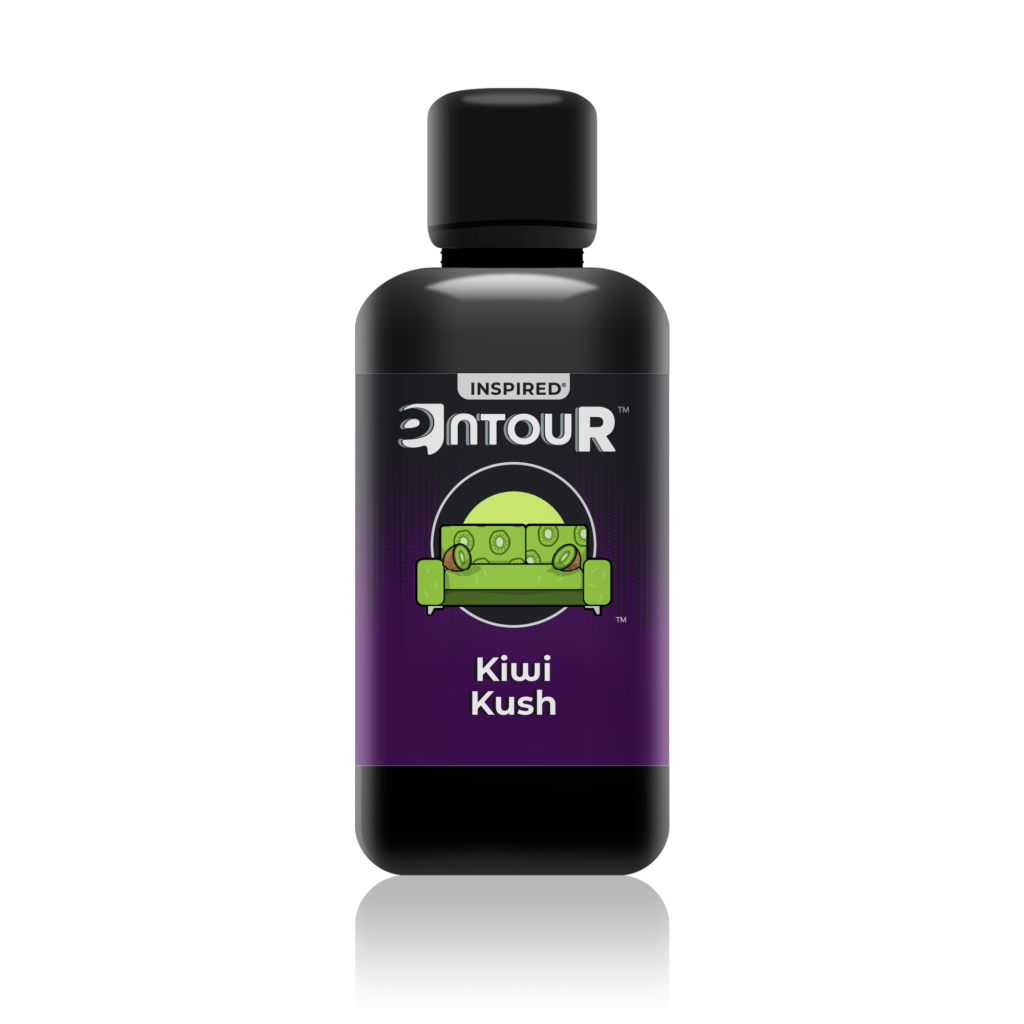
Daytime use requires non-sedating combinations like Limonene and Linalool that reduce anxiety without drowsiness. Reserve Myrcene and Nerolidol combinations for evening applications when their sedative properties support relaxation and sleep preparation. Lavender Kush demonstrates how Linalool-dominant profiles deliver calming effects suitable for any time. Aromatherapy applications with diffused terpenes provide gentle symptom support without timing constraints, as inhalation bioavailability allows flexible use throughout your schedule.
What is the 3-3-3 Anxiety Rule?
The 3-3-3 anxiety rule offers immediate grounding during acute stress episodes. You identify three things you see, three sounds you hear, and move three body parts. This sensory technique interrupts anxious thought patterns by redirecting attention to physical surroundings rather than internal worry.
Combining this grounding method with terpene-based aromatherapy creates synergistic anxiety management. When you practice the 3-3-3 technique while inhaling a calming strain containing Linalool and Nerolidol, you engage multiple pathways simultaneously. The sensory grounding addresses cognitive symptoms while terpenes deliver physiological relaxing effects through receptor modulation.
For daytime use, pair the 3-3-3 rule with formulations featuring a balanced THC CBD ratio and uplifting terpene profiles like Limonene. This combination prevents panic escalation without sedation. Verify concentrations through COA reading to ensure your aromatherapy or vaping product contains 0.5-0.8% therapeutic terpenes for optimal symptom support during acute episodes.
Reading COAs and Choosing Quality Terpene Products
A Certificate of Analysis reveals whether your terpene formulation delivers therapeutic concentrations or empty promises. When you examine a COA for anxiety-focused products, look beyond total cannabinoid percentages to the terpene breakdown section. Effective formulations for symptom support contain 0.5-1.5% total terpenes with specific compounds listed individually.
Start with verification markers. Testing COAs display the testing lab’s ISO17025 accreditation, lab contact information, and watermarked letterhead. State-issued guidance emphasizes examining full panel results including potency, heavy metals, microbiological contaminants, pesticides, and residual solvents. Red flags include potency-only reports, redacted data sections, or missing supplier details that suggest incomplete testing.
The terpene profile section determines whether a calming strain delivers actual relaxing effects. For anxiety management, verify Linalool concentrations between 0.3-0.5%, Myrcene at 0.3-0.6%, and Nerolidol at 0.2-0.4%. Products claiming anxiety relief without documented terpene percentages lack scientific foundation. Entour’s formulations demonstrate proper transparency through detailed COA reading documentation that specifies exact concentrations for each aromatic compound.
Check testing dates within 90 days of purchase, as terpene degradation reduces therapeutic effectiveness over time. Compare the cannabinoid ratio against your sensitivity requirements – balanced THC:CBD products typically show 10:1 or 20:1 ratios for daytime use without sedation. When COAs align with evidence-based concentration ranges and include comprehensive contamination screening, you’ve identified quality aromatherapy formulations worth your investment.
Finding Your Perfect Terpene Match for Anxiety Relief
The best terpenes for anxiety work through personalized combinations rather than universal formulas. Your optimal formulation depends on symptom patterns, sensitivity to cannabinoid ratios, and whether you need daytime focus or nighttime sedation. Start with documented concentrations between 0.5-1.5% total terpenes, verified through COA reading, and adjust based on your response to specific delivery methods.
Begin with lower concentrations in your preferred delivery method, observe how specific terpene profiles affect your symptoms throughout the day, and refine your approach based on actual results rather than general recommendations. Anxiety management through aromatherapy and balanced formulations requires experimentation within evidence-based concentration ranges.