You’ve probably felt it – that deep body relaxation that melts you into the couch after consuming certain cannabis strains. That’s myrcene at work. This earthy, herbal terpene doesn’t just contribute to aroma. It amplifies THC effects and delivers the sedative qualities that define classic indica experiences. Yet here’s the frustrating part: walk into any dispensary asking what cannabis strain has the highest level of myrcene, and you’ll get vague answers or a list of popular names without actual data.
Most resources mention myrcene-dominant strains like OG Kush or Blue Dream, but they skip the crucial detail – exact percentages. Understanding terpene profiles matters because a strain with 0.2% myrcene delivers a completely different experience than one hitting 0.4% or higher. Entour analyzes over 200 compounds in cannabis cultivars to replicate authentic terpene profiles, revealing just how much variation exists even within the same strain name. The answer you’re looking for requires lab-verified numbers, not guesswork.
What is Myrcene?
Myrcene is a monoterpene – a simple hydrocarbon compound with the molecular formula C₁₀H₁₆ and molecular weight of 136.23 g/mol. It’s the most abundant terpene in cannabis, responsible for that distinctive earthy aroma you recognize in many popular strains. Beyond scent, myrcene influences how cannabinoids interact with your body, which explains why two strains with identical THC content can produce completely different effects.
Here’s what most guides won’t tell you: myrcene concentration matters more than presence. Labs measure terpene levels in two ways – as a percentage of total dry weight or in milligrams per gram (mg/g). A strain testing at 0.5% myrcene contains 5 mg per gram of flower. That’s a meaningful difference from one hitting 1.0% or higher, yet dispensaries rarely display these numbers.
Understanding cannabis terpenes requires looking past marketing claims. When you see “myrcene-dominant” on a label, that could mean anything from 0.3% to over 1%. The variation stems from genetics, growing conditions, harvest timing, and curing methods. Even the same strain name produces wildly different terpene profiles depending on the cultivator.
This measurement gap creates the problem you’re facing. Without standardized reporting, comparing myrcene levels across strains becomes guesswork. You need actual lab certificates showing specific percentages – not just a list of strains that “tend to be high in myrcene.” That precision separates a relaxing evening from an underwhelming experience.
What is Considered a High Amount of Myrcene?
A high myrcene concentration starts at 0.5% of dry weight – that’s 5 mg/g. Most cannabis flower tests between 0.2% and 0.8% myrcene, so anything above half a percent puts you in myrcene-dominant territory. But here’s where it gets interesting: truly exceptional strains push past 1.0%, delivering the pronounced sedative effects and enhanced cannabinoid absorption that myrcene enthusiasts seek.
The industry lacks standardized thresholds, which creates confusion at dispensaries. You’ll see strains marketed as “high myrcene” that barely crack 0.3%, while others exceed 1.5% without advertising it. Lab testing reveals the truth – certificates display myrcene either as a percentage (0.5% means 0.5 grams per 100 grams of flower) or in milligrams per gram (5 mg/g equals 0.5%). They’re the same measurement, just different notation.
Context matters when evaluating these numbers. A strain hitting 0.7% myrcene alongside 20% THC produces different effects than one with 0.7% myrcene and 15% THC. The terpene-to-cannabinoid ratio influences your experience as much as raw myrcene levels. That’s whyterpene selection requires looking at the complete profile, not isolated compounds.
Premium myrcene-dominant strains typically fall between 0.6% and 1.2%. Anything above 1.0% qualifies as exceptionally high. Below 0.3% won’t deliver the characteristic myrcene experience you’re chasing – just trace aromatic notes. Always request lab certificates before purchasing, because strain names alone tell you nothing about actual myrcene content.
What Strain Has the Highest Myrcene Content?
GMO (also called Garlic Cookies) holds the crown for highest myrcene content, with lab-verified levels exceeding 2.0% (20 mg/g) in recent tests. That’s nearly triple the concentration found in most myrcene-dominant strains. This indica-dominant hybrid delivers the deep sedation and couch-lock effects that myrcene enthusiasts chase, making it the benchmark for maximum terpene potency.
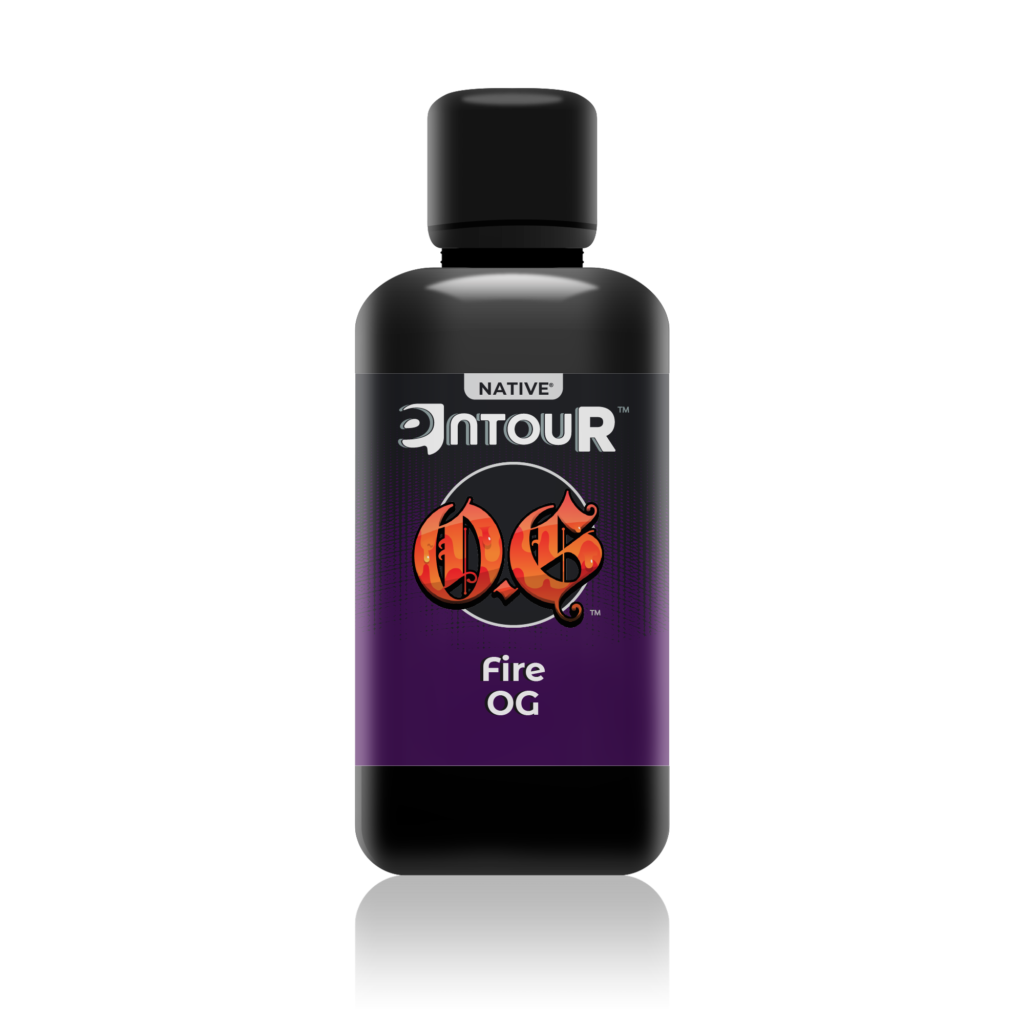
Other strains consistently test high for myrcene, though none match GMO’s peak levels. Grape Ape, Godfather OG, and Animal Face all show strong myrcene dominance in their terpene profiles, typically ranging between 0.8% and 1.5%. OG Kush and its phenotypes like Fire OG test between 0.4% and 0.8%, placing them in the moderate-to-high range rather than at the absolute top.
The table below compares lab-verified myrcene concentrations across leading strains:
Strain | Myrcene Content | Primary Effects GMO (Garlic Cookies) | 2.0%+ (20+ mg/g) | Deep sedation, couch-lock Grape Ape | 1.2-1.5% (12-15 mg/g) | Relaxation, body calm Godfather OG | 1.0-1.3% (10-13 mg/g) | Sedating, muscle relaxation Animal Face | 0.9-1.2% (9-12 mg/g) | Relaxing body effects Fire OG | 0.4-0.8% (4-8 mg/g) | Balanced relaxation
These numbers fluctuate based on cultivation conditions, harvest timing, and curing methods. A Fire OG batch grown in optimal conditions might test higher than a poorly cultivated Grape Ape. That’s why requesting current lab certificates matters more than relying on strain names alone.
Myrcene concentration measurement appears on certificates as either percentage of dry weight or milligrams per gram. A reading of 1.5% equals 15 mg/g – identical measurements, different notation. Labs analyze dried flower samples using gas chromatography or liquid chromatography to separate and quantify individual terpenes.
If you’re formulating products targeting maximum myrcene effects, indica strains consistently outperform sativas and hybrids. Entour replicates these myrcene-dominant profiles using True To Plant® technology, analyzing over 200 compounds to match the exact terpene ratios found in cultivars like GMO and Grape Ape. The result: predictable myrcene delivery without relying on inconsistent flower batches. Sourcing from thebest terpene company ensures those lab-verified myrcene ratios are documented, consistent, and reproducible across every production run.
Top 15 Myrcene-Dominant Cannabis Strains
Finding the right myrcene-rich strain depends on what you’re after – deep sedation, pain relief, or balanced relaxation. These 15 strains consistently deliver high myrcene concentrations, though exact levels vary by grower and batch. Request lab certificates when possible to verify terpene content before purchase.
1. GMO (Garlic Cookies)
The undisputed myrcene champion, testing above 2.0% in recent lab analyses. This indica-dominant hybrid delivers intense couch-lock and sedative effects that make it ideal for nighttime use or managing chronic pain.
2. Grape Ape
This indica strain tests between 1.2-1.5% myrcene and earns consistent 5.0/5 ratings for deep relaxation. The purple-hued buds provide full-body calm without overwhelming mental fog.
3. Godfather OG
An indica-dominant hybrid packing up to 34% THC alongside 1.0-1.3% myrcene. The combination creates powerful sedative effects that justify its “godfather” reputation among heavy indica users.
4. Animal Face
This award-winning hybrid contains 25-30% THC with dominant myrcene levels creating deep relaxing body effects. It’s a go-to strain for those seeking what strain of weed gives you a body high without complete sedation.
5. Blue Dream
The most popular hybrid strains in North America features myrcene as its dominant terpene, balanced by pinene and caryophyllene. You’ll get cerebral invigoration paired with full-body relaxation – a rare combination that addresses both energy and calm.
6. Northern Lights
This classic indica maintains its reputation through a sedating myrcene-dominant terpene profile. It’s remained relevant for decades because the myrcene concentration consistently delivers predictable relaxation.
7. Purple Haze
Despite its sativa heritage, Purple Haze features pronounced myrcene that provides versatile sedative effects. The strain proves that myrcene content matters more than indica/sativa classification for predicting body effects.
This indica legend combines high myrcene with moderate THC content for manageable sedation. It’s particularly effective for evening use when you want relaxation without losing functionality.
9. Bubba Kush
Another indica staple with myrcene-forward chemistry. The strain’s earthy, musky flavor profile directly reflects its high myrcene concentration, which ranges from 0.7-1.1% depending on cultivation.
10. Skywalker OG
This indica-dominant hybrid delivers myrcene-driven body effects with enough mental clarity to remain semi-functional. It sits in the moderate myrcene range but punches above its weight in terms of relaxation.
11. Tahoe OG
Part of the OG Kush family tree, Tahoe OG tests between 0.5-0.9% myrcene. While not the highest on this list, its terpene profile creates pronounced body effects that satisfy myrcene seekers.
12. Mango Kush
The mango aroma comes partly from myrcene’s fruity undertones. This hybrid provides balanced effects with enough myrcene to deliver body relaxation without heavy sedation.
13. Afghan Kush
One of the original landrace indica strains, Afghan Kush built its reputation on myrcene-rich genetics. Modern cultivars maintain that heritage with consistent myrcene dominance.
14. Blackberry Kush
This indica crosses berry genetics with Afghani heritage, resulting in elevated myrcene that creates full-body relaxation. The strain answers what strain of weed gives you a body high for users preferring fruity flavor profiles.
15. Critical Kush
Rounding out the list, Critical Kush delivers reliable myrcene content in the 0.6-0.9% range. It’s less extreme than GMO but more accessible for those building tolerance to myrcene’s sedative effects.
Most of these strains lean heavily indica, which makes sense – indica genetics naturally produce higher myrcene concentrations than sativas. If you’re wondering which weed strain gives you energy, you’ll want to look at limonene-dominant sativas instead, as myrcene primarily drives relaxation and sedation rather than stimulation.
THC content varies widely across these strains, from moderate 15-18% levels in Northern Lights to extreme 30%+ concentrations in Godfather OG. Higher THC doesn’t necessarily mean more myrcene – what strain has the highest THCA and what cannabis strain has the highest level of myrcene are separate questions with different answers.
How Growing Conditions and Cultivation Methods Affect Myrcene Levels
Myrcene concentrations fluctuate wildly based on factors most growers overlook – and that variability explains why the same strain name delivers different effects from different batches. Environmental stress, light spectrum, harvest timing, and nutrient ratios all push terpene production in different directions.
Temperature control matters more than most realize. Cannabis plants produce myrcene as a stress response to heat, which means warmer growing environments (78-85°F) typically boost myrcene synthesis compared to cooler rooms. But push temperatures too high and you’ll degrade existing terpenes faster than the plant can replace them.
Harvest timing creates the biggest swing in myrcene-dominant strains. Trichome color tells the story – harvesting at 5% amber trichomes preserves lighter terpene profiles for daytime effects, while waiting until 15-25% amber on days 56-63 maximizes sedative myrcene accumulation. That window represents the difference between functional relaxation and full couch-lock from identical genetics.
Light spectrum during flowering influences which terpenes dominate. Red-heavy LED spectrums (660nm) encourage myrcene production in indica genetics, while blue-spectrum lighting (450nm) tends to favor pinene and limonene synthesis. You can literally shift a strain’s terpene chemistry by adjusting your lighting schedule in the final two weeks before harvest.
Nutrient ratios play a supporting role. Higher potassium-to-nitrogen ratios during late flowering push terpene production upward, though the effect is strain-dependent. Some cultivars respond with 15-20% terpene increases, while others show minimal change.
This variability is exactly why Entour’s True To Plant® technology matters – it captures specific cultivar profiles at their peak expression, then replicates that exact terpene profile consistently across batches. You’re not gambling on whether your grower harvested at the right time or maintained ideal temperatures.
How to Read Lab Reports for Myrcene Content
Certificates of analysis reveal exactly what you’re buying – but only if you know where to look. Most consumers skip straight to THC content and miss the terpene data that actually determines effects.
Step 1: Locate the Terpene Profile Section
Your COA should include a dedicated “Terpene Profile” section separate from cannabinoid results. This section lists individual terpenes by name with corresponding concentration values. If the lab report doesn’t include terpene testing, you’re buying blind – there’s no way to verify myrcene levels without lab testing.
Step 2: Understand Myrcene Measurement Units
Terpene concentrations appear as either mg/g (milligrams per gram) or percentage by weight. These measurements are interchangeable: 10 mg/g equals 1.0%. High myrcene content starts at 5 mg/g (0.5%), while truly myrcene-dominant strains hit 10-20 mg/g (1.0-2.0%). Anything below 3 mg/g won’t deliver the sedative effects you’re expecting.
Step 3: Verify Batch-Specific Testing
Generic or reused COAs are red flags. Each certificate must reference a specific batch number matching your product packaging. Real COAs from 2025 onward should include QR code verification linking directly to the testing lab’s portal – a standard now required across legitimate operations.
Step 4: Compare Total Terpene Content
Look at the sum of all terpenes listed, not just myrcene. Premium flower typically contains 1-3% total terpenes, with elite batches reaching 4-5%. If myrcene represents 30-40% of that total terpene content, you’ve found a genuinely myrcene-dominant strain.
Step 5: Cross-Reference Multiple Batches
One high-myrcene COA doesn’t guarantee consistency. Request lab reports from 2-3 different batches of the same strain to identify whether that terpene profile is stable or just a lucky harvest. Variability above 25% between batches signals unreliable cultivation practices.
Understanding Myrcene’s Effects and the Entourage Effect
Myrcene’s effects don’t work in isolation – myrcene amplifies cannabinoid activity through a mechanism researchers call the entourage effect. This terpene stimulates opioid release in your system, which directly enhances THC and CBD’s sedative properties. That’s why strains with identical THC percentages deliver vastly different experiences depending on their myrcene concentration.
The threshold matters more than most people realize. At concentrations above 0.5%, myrcene begins producing noticeable sedative effects. But the real transformation happens between 1.0-2.0% myrcene, where you’ll experience the classic “couch-lock” body high that answers the question of what strain of weed gives you a body high. Below 0.3%, myrcene contributes flavor but won’t significantly alter your experience.
Research shows cannabinoid-terpene synergy follows measurable patterns. Studies demonstrate that combining cannabinoids produces effects 4-5 times stronger than isolated compounds – and myrcene accelerates this interaction. When myrcene-dominant strains deliver deep muscle relaxation and sedation, you’re witnessing this entourage effect in action, not just THC content doing the work.
Entour replicates these precise terpene ratios through True To Plant technology, analyzing over 200 compounds to recreate cultivar-specific effects. This matters because generic “relaxation blends” miss the critical myrcene concentration thresholds that trigger genuine sedative responses. A formulation with 0.4% myrcene won’t deliver what 1.5% myrcene provides, regardless of cannabinoid content.
The science is clear: myrcene transforms how your body processes cannabinoids. Indica strains aren’t inherently more sedating because of genetics alone – they typically contain higher myrcene levels that modify THC’s effects. Understanding this relationship lets you predict terpene applications with precision rather than guessing based on strain names. Consumers exploring myrcene for cognitive and neurological applications beyond sedation may also find value in reviewing research onterpenes and ADHD, where the broader landscape of terpene-receptor interactions offers relevant context for targeted therapeutic formulation.
What Contains the Most Myrcene?
Myrcene isn’t exclusive to cannabis – it appears throughout the plant kingdom in concentrations that rival even the most potent strains. Mangoes contain significant myrcene levels, which is why experienced users eat them before consumption to intensify effects. Lemongrass essential oil ranks among the highest natural sources, with myrcene accounting for a substantial portion of its chemical profile. Hops, the plant responsible for beer’s aroma, shares genetic similarities with cannabis and produces comparable myrcene concentrations.
Wild thyme and bay leaves deliver myrcene in measurable amounts, though extracting usable quantities requires processing. The practical difference matters: while a mango might enhance your experience through dietary myrcene, it won’t deliver the targeted concentrations found in cultivated cannabis or formulated products.
Cannabis remains the most efficient myrcene delivery system because cultivators optimize terpene production specifically. A 2025 NIH-backed trial is testing oral myrcene for opioid applications, validating what users have known experientially – this terpene produces physiological effects independent of its source.
The concentration threshold determines effectiveness. Eating myrcene-rich foods provides trace amounts, while cannabis delivers 1.0-2.0% concentrations that trigger measurable sedative responses. That’s the functional difference between dietary sources and therapeutic applications – volume matters as much as presence.
Common Questions About High-Myrcene Strains
Is Willie Nelson strain high in myrcene? This sativa-dominant hybrid delivers a respectable terpene profile, though it’s known more for THC content (20-22%) than exceptional myrcene levels. The strain blends citrus and pine notes, indicating a mixed terpene composition rather than myrcene dominance. If you’re chasing sedative effects, indica-heavy strains like OG Kush outperform Willie Nelson for myrcene concentration.
What strain has the highest THCA? High THCA doesn’t correlate with high myrcene – they’re separate characteristics. Donny Burger tests at 33.94% THCA as an indica-dominant hybrid, which suggests potential for moderate myrcene alongside cannabinoid potency. Strains bred for maximum THCA often sacrifice terpene diversity, prioritizing cannabinoid production over aromatic compounds.
The relationship between THC content and terpene profile varies wildly. A strain testing 35% THC might deliver minimal myrcene if cultivators optimize for cannabinoids alone. That’s why lab reports matter – they reveal whether you’re getting sedative myrcene or energizing terpenes alongside your THC. Myrcene-dominant strains typically range from 18-25% THC, proving you don’t need extreme potency to access this terpene’s benefits.
Choosing Your Ideal Myrcene-Rich Cannabis Experience
Natural cannabis flower delivers unpredictable myrcene levels – the same strain grown in different facilities can swing from 0.3% to 2.1% depending on cultivation practices, harvest timing, and curing methods. Lab reports help you verify terpene profiles before purchase, but batch-to-batch variation remains a persistent challenge for consumers seeking consistent sedative effects.
Entour eliminates this guesswork through True To Plant® technology that replicates exact terpene profiles across every batch. Whether you’re formulating products or developing new offerings, standardized myrcene concentrations deliver predictable experiences that natural flower can’t guarantee. Our cultivar-based blends capture the full aromatic complexity of myrcene-dominant strains without the agricultural variability that plagues traditional cannabis.
The highest myrcene strains – OG Kush, Granddaddy Purple, and Blue Dream – set the benchmark, but only controlled formulation ensures you get those peak concentrations every time. Explore Entour’s terpene formulations to access consistent myrcene profiles backed by comprehensive analytical data.