Your morning coffee’s aroma. The pine scent during a forest hike. The citrus burst in your sparkling water. These experiences share a common thread: terpenes, natural compounds that now command 38.40% of the aroma chemicals market as the largest revenue contributor. What are terpenes used for in 2026? Nearly everything touches your daily routine.
These aromatic molecules have evolved far beyond cannabis applications into skincare formulations, flavored beverages, vape cartridges, food products, and even sunscreen. Recent clinical research demonstrates their therapeutic potential through the entourage effect, where compounds work synergistically. Scientists are developing advanced delivery systems for pharmaceutical applications, while state-funded academic studies establish safety standards for terpene concentrations. You’ll find them in insect repellent, mood-supporting supplements, and precision-engineered formulations like those Entour creates. The revolution isn’t coming, it’s already transforming industries worth billions.
What Exactly Do Terpenes Do?
Terpenes function as natural compounds that interact with your body through multiple biological pathways. When you inhale or apply these molecules, they don’t just provide aroma – they trigger specific receptor interactions and cellular responses. Research shows that limonene, a common terpene, activates CB1 and CB2 receptors at 10-60% of THC’s effect potency without psychoactive effects. Beta-caryophyllene demonstrates anti-inflammatory relief by binding to CB2 receptors, offering therapeutic benefits for conditions like arthritis.
The mechanisms extend beyond receptor binding. Terpenes act as chain-breaking antioxidants in lipid matrices, halting oxidation through slingshot mechanisms that protect cells from damage. For pain relief, they modulate TRPV1-mediated pathways while suppressing IL-1β and TNF-α signaling. You’ll find these natural ingredients working synergistically in food products, skincare formulations, and vape cartridges.
What are terpenes used for depends on their specific molecular structure. Some terpenes reduce inflammation by inhibiting proinflammatory pathways, while others demonstrate proapoptotic activity in cancer cells. When formulating products, Entour applies this scientific understanding through Native blends that replicate cultivar-specific effects. The concentration matters significantly – proper dosing ensures therapeutic benefits without adverse reactions. Understanding these mechanisms helps you select appropriate applications for different wellness goals.
What Are the Applications of Terpenes? Core Industry Uses
What are terpenes used for across modern industries? These natural compounds serve critical functions in eight major sectors, each leveraging their distinct molecular properties for specific outcomes.
- Food and Beverage Flavoring – Terpenes create the distinctive taste profiles in everything from citrus-flavored beverages to nutty confections. Research demonstrates that higher terpenoid abundance correlates with enhanced ‘resinous,’ ‘pine,’ ‘nutty,’ and ‘green’ aroma notes in food products. The FDA recognizes many terpenes as Generally Recognized as Safe (GRAS) for use in food applications, enabling widespread adoption in commercial formulations.
- Personal Care and Skincare Formulations – Terpene-rich essential oils address specific skin concerns through targeted molecular interactions. Clinical studies show these compounds influence skin characteristics, with applications ranging from stress-alleviation formulations to age-management products. You’ll find them in sunscreen, moisturizers, and therapeutic skincare solutions.
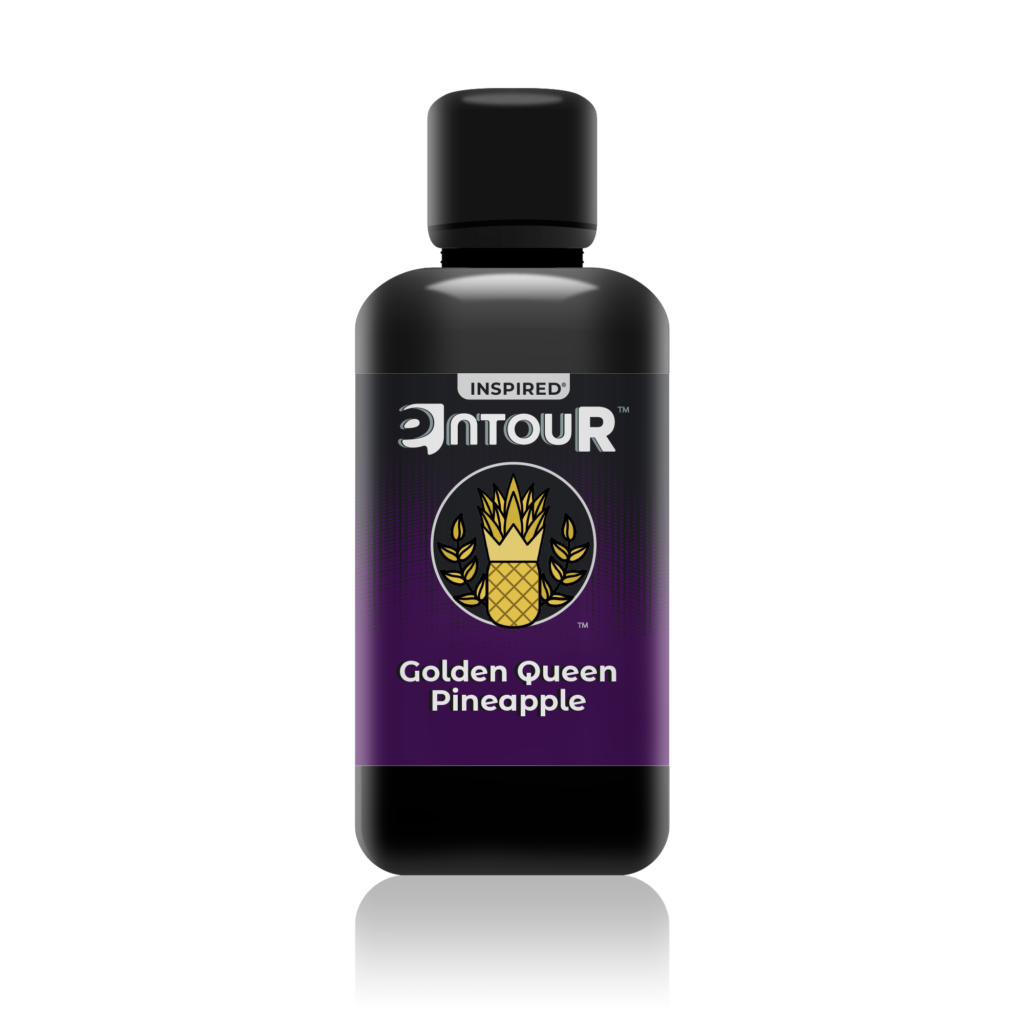
- Cannabis Product Enhancement – Terpenes restore aroma profiles lost during extraction and create cultivar-specific effects. Entour’s terpene-based blends replicate the complete sensory experience of specific strains, addressing the critical challenge of maintaining authentic cannabis characteristics in vape cartridges and concentrates.
- Pharmaceutical Development – Scientists are investigating terpenes for therapeutic applications beyond aromatherapy. Research focuses on anti-inflammatory pathways, mood regulation, and synergistic effects when combined with other natural compounds. Proper concentration guidelines remain essential for clinical applications.
- Fragrance and Aromatherapy – The perfume industry relies on terpenes for both natural and synthetic scent creation. These compounds provide base notes, fixative properties, and distinctive aroma profiles that define signature fragrances.
- Natural Pest Management – Certain terpenes function as effective insect repellent alternatives to synthetic chemicals. Their volatile nature disrupts pest sensory systems while remaining safe for human exposure at recommended concentrations.
- Industrial Manufacturing – Terpenes serve as renewable solvents, polymer precursors, and specialty chemical feedstocks. Their biodegradable properties make them attractive for sustainable manufacturing processes.
- Dietary Supplements – Wellness brands incorporate terpenes for their potential mood-supporting and stress-management properties. Dosage considerations vary significantly based on delivery method and intended therapeutic effect.
What Do You Use Terps for in Cannabis Products?
What are terpenes used for in cannabis applications? Cannabis manufacturers rely on these natural compounds to solve critical formulation challenges and enhance product experiences. The cannabis industry faces a persistent problem: extraction processes strip away the aromatic molecules that define strain characteristics. Terpenes restore what processing destroys while creating targeted effects through carefully engineered profiles.
- Distillate Enhancement for Vape Cartridges – Cannabis distillate reaches 96%+ Tetrahydrocannabinol (THC) purity but loses nearly all terpenes during refinement. You need to reintroduce these compounds to create strain-specific vape cartridges that deliver authentic aroma profiles and effects. Research shows flash-frozen extracts preserve up to 50% more terpenes than dried cannabis, highlighting why formulators add terpene blends back into distillate. Entour’s Live Derived Blends address this challenge by capturing the complete molecular fingerprint and aromatic essence of fresh cannabis plants.
- Topical Formulations for Transdermal Delivery – Specific terpenes like nerolidol enhance skin penetration of cannabinoids in topicals, creating faster onset for analgesic and anti-inflammatory effects. These compounds don’t just provide aroma – they function as penetration enhancers that improve bioavailability of Cannabidiol (CBD) and THC for sore muscles and joints. Nanoemulsion technology combined with terpenes creates superior absorption compared to traditional formulations.
- Edibles and Flavored Beverages – Terpenes mask the harsh cannabis taste while adding cultivar-specific flavor profiles to edibles and beverages. Beyond flavoring, they contribute to the entourage effect, where cannabinoids and terpenes work synergistically to enhance therapeutic outcomes. Proper concentration matters significantly – excessive amounts create overpowering flavors while insufficient dosing fails to deliver intended benefits.
- Concentrate Customization – Manufacturers use Inspired Blends to create novel effects and flavor combinations that don’t exist in nature. This application allows brands to differentiate products in competitive markets while maintaining consistency across production batches. You control the experience by selecting specific terpene ratios that target desired outcomes, from energizing effects to calming properties.
Safety considerations remain paramount. Start with 1-10% terpene concentration in most cannabis applications, adjusting based on delivery method and desired intensity. Higher concentrations risk irritation in vape cartridges and topicals.
Terpenes in Consumer Products: Beyond Cannabis
Walk into any coffee shop offering fortified espresso capsules, and you’re experiencing terpene technology in action. Food manufacturers add these natural compounds to ready-to-drink beverages, creating distinctive flavor profiles that consumers recognize instantly. The application extends beyond taste – terpenes from spices, fruits, and hops deliver what the industry calls “health halos,” flavors that consumers associate with wellness benefits. Flavored beverages represent just one commercial sector where these molecules create measurable value.
Personal care products demonstrate another practical application. When you apply sunscreen containing citrus-derived terpenes, you’re using formulations where these compounds serve dual purposes: masking chemical odors while contributing to product stability. However, safety considerations matter significantly. Research shows certain terpenes increase avobenzone photodegradation rates by 35-50% compared to fragrance-free controls, creating that distinctive plastic-like aroma in degraded sunscreen. Formulators must balance sensory benefits against ingredient interactions that affect product performance.
The fragrance sector shows dramatic growth in terpene applications. Over 70% of new clean-beauty launches incorporate essential oils rich in these compounds, while 62% of consumers actively seek plant-based ingredients in personal care. Brands are responding by increasing natural content by 20-45% across product lines. The aromatherapy segment drives this expansion with clinical studies demonstrating antimicrobial and anti-inflammatory results comparable to conventional medications, supporting mood enhancement claims through evidence-based formulations.
Natural pest management offers another validated application. Terpinen-4-ol combined with p-menthane-3,8-diol creates synergistic mosquito repellency in insect repellent formulations. Essential oils from oregano, spearmint, and basil demonstrate documented efficacy against agricultural pests, providing alternatives to synthetic pesticides.
| Application Category | Active Terpenes | Concentration Range |
| Flavored Beverages | Limonene, pinene | 0.1-2% |
| Sunscreen Fragrance | Citrus terpenes | 0.5-1.5% |
| Insect Repellent | Terpinen-4-ol, p-menthane-3,8-diol | 5-15% |
Dosage guidelines vary dramatically across applications. Food products require minimal concentrations (0.1-2%), while insect repellent formulations demand higher levels (5-15%) for effectiveness. Understanding these parameters ensures you select appropriate concentrations for intended outcomes without adverse reactions.
What Can I Use Terpenes For? Practical DIY and Personal Applications
Step 1: Create Custom Aromatherapy Blends for Mood Support
Add 3-5 drops of terpene-rich essential oils per 100ml of carrier oil in your diffuser. Farnesene demonstrates calming properties in clinical studies, while pinene supports alertness. Start with lower concentrations and adjust based on room size and personal sensitivity. The aromatherapy segment shows 12.54% annual growth as consumers seek natural alternatives for stress management and mood enhancement.
Step 2: Formulate DIY Skincare Products with Proper Dilution
Mix terpenes into carrier oils at 1-2% concentration for topical applications. You’ll need precise measurements – pharmaceutical studies show terpene concentration directly affects formulation stability and skin penetration. Combine with unscented lotions or balms to avoid ingredient interactions that compromise product effectiveness. Always perform patch tests before full application.
Step 3: Enhance Homemade Edibles and Flavored Beverages
What are terpenes used for in home cooking? Add 0.1-0.5% terpene concentration to recipes for authentic flavor profiles without overwhelming taste. Cannabis flower naturally contains 1-4% terpenes by weight, providing a reference point for safe dosing. Jack Herer offers citrus and pine notes that complement beverages and baked goods. Mix thoroughly to ensure even distribution throughout your preparation.
Step 4: Develop Personal Insect Repellent Formulations
Combine terpinen-4-ol with p-menthane-3,8-diol at 5-10% concentration in carrier solutions for natural pest management. Essential oils from oregano and spearmint contain terpenes with documented efficacy against common insects. Apply to exposed skin areas, reapplying every 2-3 hours for sustained protection.
Safety remains paramount across all applications. Request Certificates of Analysis when purchasing terpenes to verify purity and concentration. Store in dark glass containers away from heat and light to prevent degradation.
Natural vs Synthetic Terpenes: Which to Use When
Your product formulation choices directly impact therapeutic outcomes and consumer satisfaction. Natural terpenes extracted from botanical sources deliver complex aroma profiles with full entourage effect benefits, while synthetic versions offer cost advantages and batch consistency. Understanding when each serves your needs requires examining specific application requirements.
| Factor | Natural Terpenes | Synthetic Terpenes |
| Aroma Complexity | Full-spectrum profile with trace compounds | Single-molecule precision, simpler notes |
| Entourage Effect | Complete synergistic interactions | Limited compound diversity reduces synergy |
| Stability | Superior heat/light resistance | Faster degradation, potential off-flavors |
| Purity Concerns | Minimal processing residuals | May contain unknown impurities or solvents |
| Cost | Higher extraction expenses | Lower production costs |
Choose natural terpenes for premium vape cartridges, therapeutic skincare formulations, and flavored beverages where authentic aroma matters.Clinical studies demonstrate that natural cannabis combinations produce over 55% pain reduction compared to isolated synthetic compounds. You need this complexity when targeting specific wellness outcomes through the entourage effect.
Select synthetic options for cost-sensitive food products, insect repellent, or applications requiring precise single-terpene concentrations. However, synthetic versions degrade faster under heat exposure and lack the therapeutic depth consumers increasingly demand in natural ingredients.
Safety considerations apply equally to both types. Request third-party testing documentation regardless of source. For cannabis applications specifically, natural terpenes preserve cultivar-specific effects that synthetic alternatives cannot replicate. Entour’s True To Plant® technology captures over 200 analyzable compounds from source material, delivering authenticity synthetic processes miss entirely.
Safety Guidelines and Best Practices for Terpene Use
- Start with Conservative Concentrations – Never apply undiluted terpenes directly to skin or inhale them without proper dilution. For vape cartridges, maintain 4-10% terpene concentration to prevent respiratory irritation. Clinical trials with cannabis formulations report excellent tolerability when proper dilution guidelines are followed, with adverse events comparable to placebo groups.
- Match Concentration to Application Type – Food products require 0.1-2% terpene content, while insect repellent formulations demand 5-15% for effectiveness. Skincare applications perform best at 1-2% in carrier solutions. Research on drug delivery systems demonstrates that terpene concentration significantly impacts formulation properties and bioavailability.
- Store Properly to Maintain Potency – Keep terpene products at 60°F-70°F away from direct light. Refrigeration at 4°C works for medium-term storage but avoid freeze-thaw cycles that degrade compound integrity. Proper storage prevents the off-flavors and reduced therapeutic effects that degraded terpenes produce.
- Request Third-Party Testing Documentation – Verify purity and concentration through Certificates of Analysis before use. Studies examining cannabis receptor activation show dose-dependent effects, making accurate concentration data essential for safe application across flavored beverages, skincare, and therapeutic formulations.
- Monitor for Individual Sensitivity – Perform patch tests before applying topical formulations containing terpenes. Some compounds enhance skin penetration of other ingredients, potentially increasing sensitivity. Start with lower doses and adjust based on personal response and intended therapeutic outcomes.
Harnessing Terpenes for Your Needs
What are terpenes used for in your daily life? These natural compounds appear in your flavored beverages, skincare routines, vape cartridges, and food products. They function as insect repellent, enhance sunscreen formulations, and create the entourage effect in therapeutic applications. The aroma profiles you experience represent just the surface of their molecular capabilities.
The applications span from commercial manufacturing to personal wellness. Consumers increasingly demand plant-based alternatives supported by scientific research, particularly for mood-related benefits. Clinical studies validate their anti-inflammatory properties and therapeutic potential when formulated at proper concentrations. Safety considerations remain essential – dosage guidelines vary dramatically between topical applications, inhalation, and ingestion.
Entour addresses these diverse needs through True To Plant® technology that captures over 200 analyzable compounds from source material. Whether you’re formulating premium cannabis products or exploring natural wellness solutions, understanding terpene applications empowers informed decisions. The evidence-backed versatility of these compounds positions them as foundational elements across industries prioritizing both efficacy and natural composition.