Here’s what catches most people off guard: do terpenes get you high? No, not on their own. These aromatic compounds found in cannabis, lavender, and citrus don’t produce intoxicating effects the way Tetrahydrocannabinol (THC) does. But dismissing them as simple fragrance molecules misses the bigger picture.
Terpenes act more like effect modulators than standalone psychoactive agents. Take myrcene, a compound abundant in both cannabis and mangoes. Scientific research shows it helps THC cross the blood-brain barrier more efficiently, intensifying the euphoric effect you experience. This synergy, called the entourage effect, explains why identical THC concentrations can feel dramatically different across cultivars.
The therapeutic applications extend beyond cannabis entirely. Limonene from citrus provides mood boost and stress reduction benefits through aromatherapy. Linalool in lavender contributes to pain relief and supports mental health as a natural remedy. These same terpenes appear in cannabis, where they work alongside cannabinoids to address inflammation and enhance user experience. The concentration matters significantly – essential oils contain terpene levels far exceeding what you’d find in most cannabis products, yet they remain non-intoxicating. Understanding this distinction transforms how you approach cannabinoid profiles and their effects.
Do Terpenes Really Affect High?
Cannabis terpenes don’t directly produce intoxicating effects, but they fundamentally change how you experience cannabinoids. Think of them as modulators rather than primary drivers of your euphoric state. A 2011 peer-reviewed study in the British Journal of Pharmacology documented how specific terpenes alter THC’s psychoactive properties through what researchers call phytocannabinoid-terpenoid interactions.
The distinction between modulation and causation matters when evaluating whether terpenes get you high. Pinene may enhance alertness while reducing THC-induced memory impairment. Beta-caryophyllene binds to cannabinoid receptors, contributing to inflammation reduction without any psychoactive component. These compounds work through different biological pathways than THC, yet their presence dramatically shifts the overall user experience.
Concentration thresholds reveal another critical factor. Essential oils deliver terpene doses far exceeding typical cannabis concentrations, yet aromatherapy with lavender or citrus produces stress reduction and mood boost without intoxication. Recent research confirms certain terpenes effectively address pain relief in post-surgical and fibromyalgia patients independent of cannabinoid presence. When you combine these natural remedies with THC in precise ratios, you unlock targeted effects that isolated compounds cannot achieve alone.
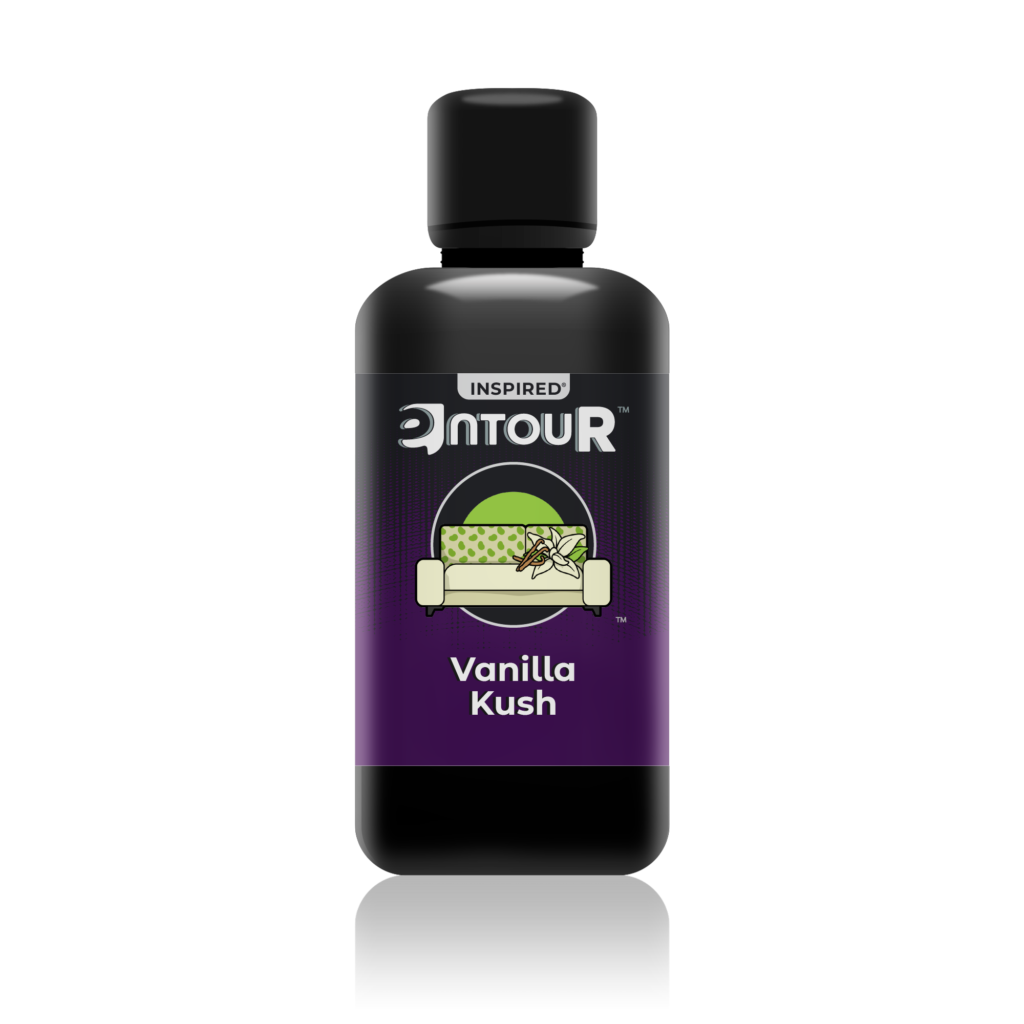
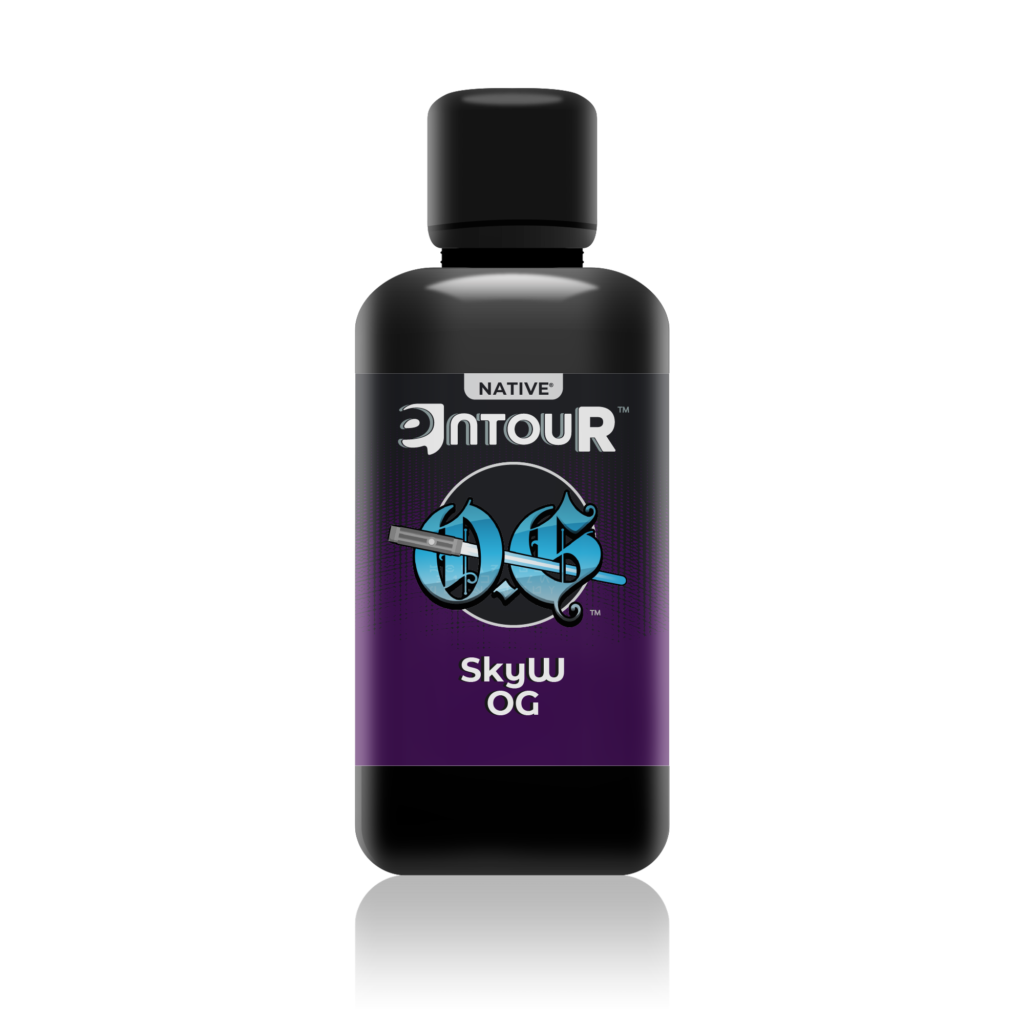
Entour’s True To Plant® technology replicates these complex interactions by analyzing over 200 compounds in specific cultivars, then formulating Native terpene blends that preserve each profile’s distinctive characteristics. This approach demonstrates how understanding terpene modulation transforms cannabinoid profiles from simple potency measurements into sophisticated botanical solutions for mental health, inflammation management, and personalized therapeutic outcomes.
The Entourage Effect: How Terpenes Work With Cannabinoids
The scientific mechanism behind terpene-cannabinoid synergy operates through multiple biological pathways simultaneously. When you consume cannabis strains, terpenes don’t simply add fragrance – they actively influence how cannabinoids interact with your endocannabinoid system. Clinical research demonstrates that myrcene enhances sedation and pain relief by increasing cannabinoid receptor permeability. Pinene counteracts THC-related memory impairment while providing anti-inflammatory benefits through completely separate mechanisms. This multi-pathway interaction creates therapeutic outcomes that isolated compounds cannot replicate.
Quantifiable data reveals the power of these synergies. A 2024 Johns Hopkins University study documented that limonene combined with THC reduced anxiety by 54.8% through 5-HT1A receptor activation – significantly outperforming THC alone. Randomized trials on THC/Cannabidiol combinations showed 55.4% pain reduction in chronic musculoskeletal conditions, attributed to entourage effects between cannabinoids and supporting terpenes. These aren’t marginal improvements – they represent substantial therapeutic advantages driven by compound interactions.
The concentration factor determines whether you experience these benefits. Essential oils contain terpene levels exceeding 90% purity, delivering stress reduction and mood boost through aromatherapy without any psychoactive component. Cannabis flowers typically contain 2-5% terpenes by weight, enough to modulate cannabinoid activity significantly, as a small amount can make large impacts. Recent trials using full-spectrum formulations for inflammation management showed good tolerability, though researchers noted that precise ratios matter more than total terpene content.
This complexity explains why products engineered with specific terpene-cannabinoid ratios deliver consistent experiences. Natural remedies combining these compounds address mental health applications differently than alternatives because they preserve the multi-target interactions that drive the entourage effect. You’re not choosing between terpenes or cannabinoids – you’re selecting formulations where both elements work as an integrated botanical-based solution.
Can You Get High From Smelling Terpenes?
Inhaling terpene aromas through essential oils or aromatherapy produces zero intoxicating effects, regardless of concentration. The aromatic profile you perceive when smelling lavender, citrus, or even cannabis operates through entirely different biological mechanisms than psychoactive compounds. Terpenes like linalool and limonene interact with olfactory receptors and may influence stress reduction or mood boost, but this sensory experience bears no resemblance to THC’s direct action on CB1 receptors in your brain.
The distinction becomes clearer when examining concentration thresholds. Beta-caryophyllene, a terpene present in both cannabis and hops, binds to endocannabinoid receptors at specific doses. Yet the amounts you encounter through smell – even from concentrated essential oils – remain far below levels required for receptor activation. This explains why beer brewed with terpene-rich hops delivers hoppy aroma without any psychoactive response, despite sharing compounds with cannabis.
Do botanical terpenes get you high when isolated from their plant sources? Scientific research confirms they don’t. Aromatherapy applications leverage terpenes for natural remedies addressing pain relief, inflammation, and mental health support through pathways unrelated to intoxication. When you smell pine forests rich in pinene or citrus groves abundant in limonene, you’re experiencing therapeutic benefits that operate independently of euphoria or impairment. The calming sensation from lavender or energizing effect from peppermint represents genuine physiological responses – just not psychoactive ones.
What Are the Benefits of Terpenes?
Terpenes deliver therapeutic benefits across multiple health applications, functioning as natural compounds with documented physiological effects. You access these advantages whether you consume cannabis products or use botanical sources like essential oils and aromatherapy.
- Pain Relief – Beta-caryophyllene stands out among terpenes for its unique interaction with cannabinoid receptors, providing anti-inflammatory relief in arthritis and chronic pain conditions without any psychoactive component. A 2020 study demonstrated its effectiveness in reducing inflammatory markers. Clinical trials on THC/CBD combinations enhanced by terpenes showed 55.4% pain reduction in chronic musculoskeletal conditions, with researchers attributing results to multi-compound interactions within the endocannabinoid system.
- Stress Reduction and Mental Health Support – Limonene produces measurable anxiolytic effects through 5-HT1A receptor activation, with research documenting 54.8% anxiety reduction when combined with cannabinoids. Linalool from lavender contributes to calming effects through separate neurological pathways. These terpene blends address mental health applications through mechanisms distinct from pharmaceutical interventions.
- Inflammation Management – Nerolidol reduces inflammatory markers that contribute to muscle recovery challenges and arthritis progression. Myrcene enhances sedative properties while simultaneously addressing inflammation through cannabinoid receptor permeability increases. Cancer patients have experienced symptom relief from these anti-inflammatory terpenes in peer-reviewed medical studies.
- Mood Boost and Cognitive Function – Pinene counteracts memory impairment while delivering energizing effects that support alertness. Limonene’s antidepressant properties operate independently of intoxication, making it valuable for natural remedies targeting emotional wellness without psychoactive concerns.
Common Terpenes and Their Unique Effects
Understanding individual terpene profiles helps you identify which cannabis cultivars or natural remedies align with your wellness goals. Recent research reveals these compounds activate cannabinoid receptors at concentrations comparable to THC, though without producing intoxicating effects. Here’s how six major terpenes influence your physiology differently.
Myrcene dominates many cannabis cultivars, delivering sedative and muscle relaxant properties that support relaxation after physical exertion. This compound enhances analgesic effects by increasing receptor permeability, making it valuable for pain relief applications. You’ll find myrcene in mangoes, lemongrass, and hops beyond cannabis sources.
Limonene elevates mood through 5-HT1A receptor pathways while simultaneously addressing inflammation markers. Citrus fruits contain high concentrations, explaining why aromatherapy with orange or lemon oils produces energizing yet calming sensations. When combined with cannabinoids, limonene demonstrates superior anxiety reduction compared to isolated compounds.
Pinene counteracts memory challenges while opening airways as a bronchodilator. This terpene appears abundantly in pine forests and rosemary, contributing to the alertness you experience during forest walks. Research confirms pinene maintains cognitive clarity even when present alongside THC.
Linalool provides anxiolytic benefits through mechanisms distinct from pharmaceutical interventions. Lavender’s calming reputation stems directly from this terpene’s interaction with neurotransmitter systems. Pilot trials combining linalool with cannabinoids showed mental health improvements in stress reduction metrics.
Beta-caryophyllene uniquely binds to CB2 receptors, delivering anti-inflammatory relief without psychoactive components. Black pepper and cloves contain this compound, which addresses chronic pain conditions through endocannabinoid system activation.
| Terpene | Primary Effect | Concentration Threshold | Botanical Sources |
| Myrcene | Sedation, muscle relaxation | 0.5% for noticeable effects | Mango, hops, lemongrass |
| Limonene | Mood elevation, stress reduction | 2-3% in essential oils | Citrus fruits, juniper |
| Pinene | Alertness, memory support | 1-2% therapeutic range | Pine, rosemary, basil |
| Linalool | Anxiety relief, calming | 0.5-1% effective dose | Lavender, coriander |
| Beta-caryophyllene | Pain relief, inflammation | 1% for receptor binding | Black pepper, cloves |
Do cannabis terpenes get you high? No, but they fundamentally shape how cannabinoids affect your system through dose-dependent receptor interactions.
Are Higher or Lower Terps Better?
The concentration question doesn’t have a universal answer – optimal terpene levels depend entirely on your intended application. Essential oils used in aromatherapy contain 90%+ terpene concentrations, delivering stress reduction and mood boost without any intoxication risk. Cannabis products can range from 2-15% terpenes by weight, enough to modulate cannabinoid activity through the entourage effect without overwhelming your sensory experience.
Higher concentrations don’t automatically translate to better outcomes. Clinical trials examining medical cannabis for pain relief found that precise ratios between cannabis terpenes and cannabinoids mattered more than total terpene content. A 45 mg daily CBD formulation produces therapeutic benefits at relatively modest terpene levels, while excessive concentrations can create overpowering aromatic profiles that diminish user experience rather than enhance it.
Consider your wellness goals when evaluating concentration thresholds. Natural remedies targeting inflammation or mental health support require different terpene densities than products designed for recreational enjoyment. Formulations like Inspired Blends demonstrate how engineered ratios deliver consistent effects by balancing terpene concentrations with cannabinoid profiles. You’re not seeking maximum terpene content – you’re identifying the specific concentration range where these compounds work synergistically to address your particular needs without producing adverse sensory effects.
Maximizing Terpene Benefits: Storage and Preservation
Terpenes degrade rapidly when exposed to environmental stressors, diminishing their aromatherapy benefits and ability to support pain relief or stress reduction. Scientific research confirms you can lose up to 40% of terpene content within one week through improper storage. Follow these preservation steps to maintain the natural compounds that contribute to mood boost and inflammation management.
Step 1: Control Temperature and Humidity – Store cannabis products at 60°F–68°F with 59%–63% relative humidity. Heat accelerates oxidation that breaks down terpenes into inactive monomers, eliminating their therapeutic value for mental health applications and essential oil integrity.
Step 2: Minimize Oxygen Exposure – Use airtight containers and limit opening frequency. Oxygen triggers lipid oxidation degradation in terpenes, compromising the natural remedies you rely on for wellness support.
Step 3: Block Light Penetration – Store formulations in opaque containers away from direct sunlight. Light exposure accelerates terpene evaporation, reducing the aromatic profile and therapeutic compounds that deliver effects.
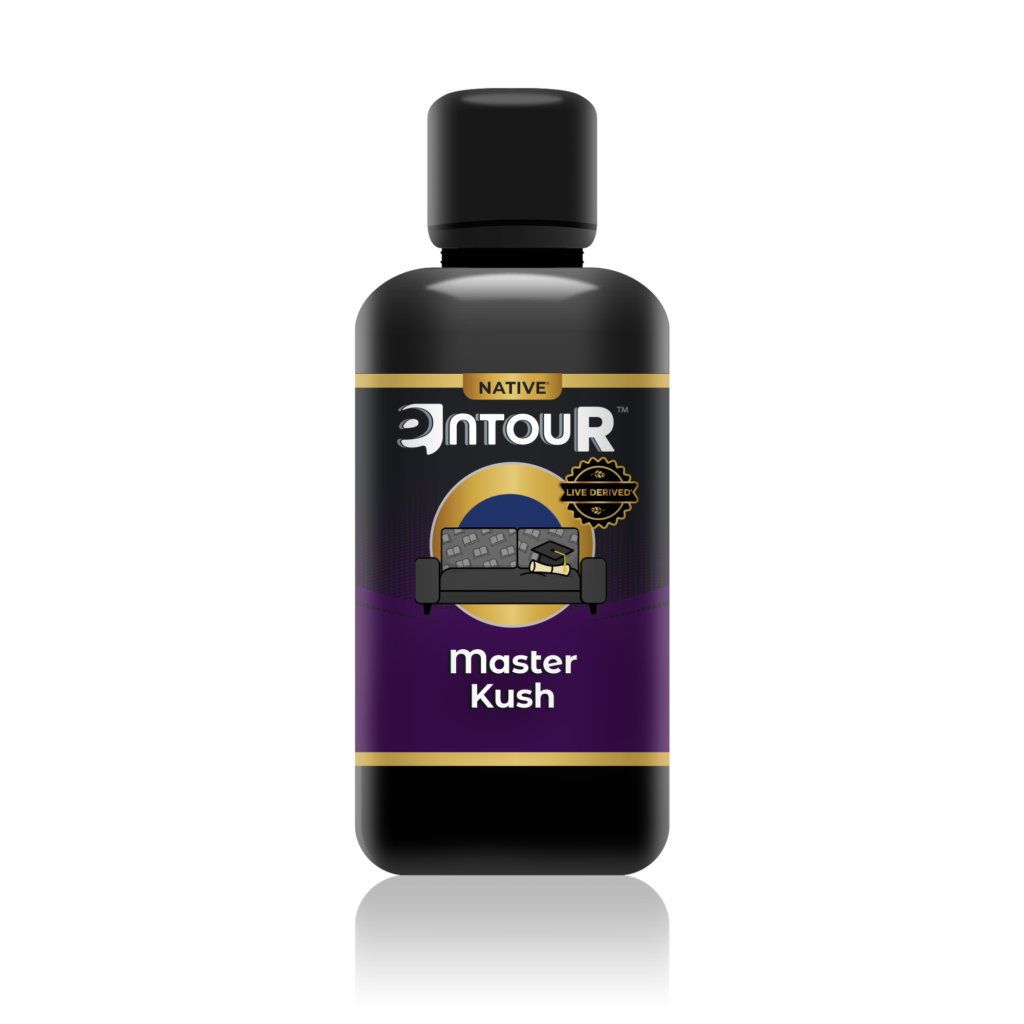
Step 4: Choose Stable Formulations – Live Derived Blends preserve volatile terpenes through ingredients captured with specialized extraction methods that minimize degradation during processing, maintaining the full spectrum of compounds needed for optimal entourage effect interactions.
Proper preservation ensures terpenes retain their capacity to modulate cannabinoid activity and deliver standalone benefits through aromatherapy applications.
Safety and Side Effects: What You Should Know
Terpenes carry Generally Recognized as Safe status for food applications, but concentrated exposure demands attention to dosage thresholds. Essential oils containing 90%+ terpene concentrations can trigger skin irritation or allergic reactions when applied undiluted. A 2024 case study documented airborne allergic contact dermatitis in a patient handling cannabis, with researchers attributing symptoms to terpene exposure rather than cannabinoid content.
Respiratory sensitivity presents another consideration for aromatherapy and inhalation methods. Clinical data from 1,657 allergic patients revealed 7% experienced airway irritation from alpha-pinene and related compounds in conifer trees. Workers in cannabis cultivation environments face similar exposure profiles, prompting California-funded research into occupational health protections around natural terpene concentrations.
Ingesting undiluted terpenes poses risks that proper formulation eliminates. Animal feed studies examined toxicity limits, establishing safe concentration ranges that inform human applications for pain relief and inflammation management. You avoid adverse effects by choosing products engineered within tested parameters rather than experimenting with raw botanical extracts.
Mental health applications and stress reduction through terpenes remain well-tolerated when delivered at appropriate concentrations. Natural remedies combining these compounds with cannabinoids show good safety profiles in trials, though individual sensitivity varies. Monitor your response when introducing new formulations, particularly if you have known allergies to citrus, lavender, or other botanical sources rich in these aromatic compounds.
So, do terpenes get you high? The answer remains no – these aromatic compounds don’t produce intoxicating effects independently. They function as sophisticated modulators that reshape how cannabinoids interact with your endocannabinoid system, delivering therapeutic benefits from pain relief to mental health support without causing euphoria. Whether you encounter them through cannabis cultivars, citrus essential oils, or lavender aromatherapy, terpenes work through distinct biological pathways that address inflammation and stress reduction.
The real value emerges when you select formulations engineered around specific terpene-cannabinoid ratios.Entour replicates complete cultivar profiles by analyzing hundreds of compounds, then creating Native blends that preserve the precise interactions driving therapeutic outcomes. This approach transforms generic potency measurements into targeted solutions for your wellness goals. Ready to experience terpene benefits beyond basic THC content? Explore cultivar-specific formulations that deliver consistent, science-backed effects through properly balanced natural compounds.