
Terpenes are natural aromatic compounds found in a wide range of plants, from citrus fruits and herbs to pine trees and lavender. They’re responsible for the distinctive scents and flavors of these plants and have become an area of growing interest among scientists and wellness enthusiasts. Early research suggests terpenes may interact with various biological systems, influencing mood, relaxation, and other responses.
This article explores what terpenes are, how scientific studies describe their potential, how they differ from traditional medicine in purpose and use, and practical, safe ways people include them in everyday routines.
What Are Terpenes?
Terpenes are a large class of naturally occurring organic molecules that give plants their characteristic scents and flavors. You notice terpenes when you smell an orange peel, a rosemary sprig, or a pine forest. Beyond scent, terpenes are active components of essential oils and plant extracts used in cooking, personal care, and aromatherapy.
For an overview of different types of terpenes and how they’re categorized, you can explore educational resources that explain their structures and natural origins.
What the Research Explores
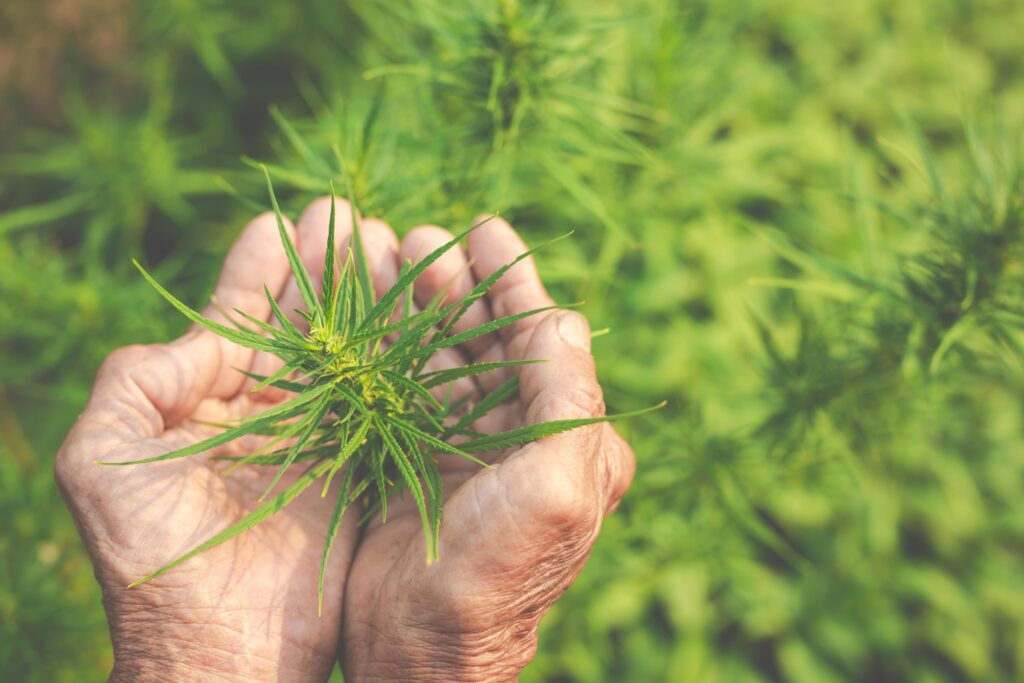
Researchers study terpenes in many contexts. Lab and animal studies have shown that individual terpenes can interact with biological pathways related to inflammation, oxidative stress, and cell signaling. Some terpenes appear in experimental research for antibacterial, antioxidant, and other bioactive properties.
That said, much of the published work is preclinical or early-stage; human clinical evidence is more limited and still developing. Because of that, reputable reviews tend to present terpenes as promising in some contexts while calling for more rigorous human studies. Learn more about the most powerful terpenes being studied for their unique properties.
Terpenes vs. Traditional Medicine: A Comparison
| Aspect | Terpenes (Plant Compounds) | Traditional Medicine (Pharmaceuticals & Clinical Care) |
|---|---|---|
| Typical Origin | Extracted from plants (essential oils, botanical extracts) | Synthesized drugs, standardized plant extracts, or procedures developed through clinical trials |
| Evidence Base | Much lab/animal research; growing but limited clinical studies | Large, regulated clinical trials and well-established safety/efficacy profiles (for approved treatments) |
| Use Cases (Typical) | Aromatherapy, scenting, culinary use, topical cosmetics, complementary wellness | Diagnosis, prescription treatment, regulated medical interventions under clinician oversight |
| Regulation & Standardization | Variable, product quality and terpene concentrations can vary widely | Strict regulation, standardized dosing, safety monitoring (in most jurisdictions) |
| Safety Considerations | Can be potent in concentrated forms; may irritate skin/airways; product quality varies | Known side-effect profiles and contraindications; dosing and interactions are monitored clinically |
This comparison highlights that terpenes and traditional medicines occupy different practical spaces: terpenes are mainly used as natural, sensory-based components and complementary elements in wellness routines, while traditional medicine relies on regulated, evidence-backed therapies for diagnosis and treatment.
Common Terpenes People Talk About
- Linalool — floral (lavender, basil)
- Limonene — citrusy (lemon, orange peels)
- Pinene — pine/rosemary scent
- Myrcene — earthy/musky (mango, hops)
- Beta-caryophyllene — spicy/woody (black pepper, cloves)
Each of these terpene profiles contributes distinct aromas and potential effects that make them popular in both natural wellness and aromatic product lines.
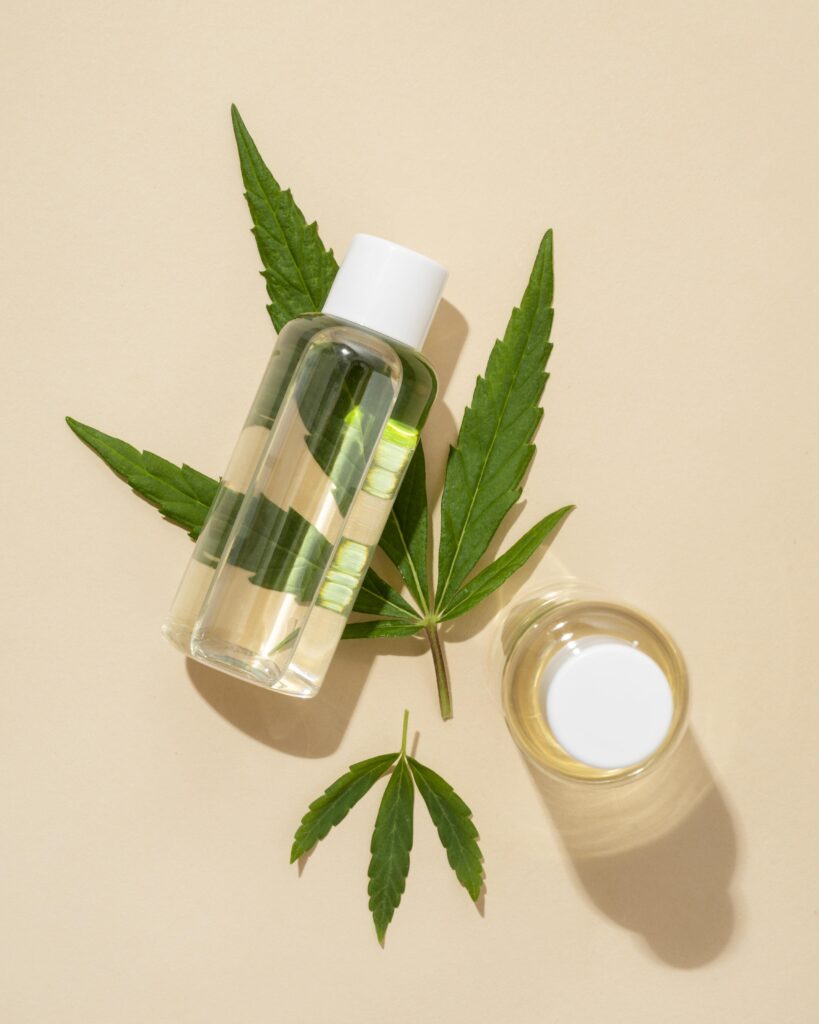
If you’re interested in blends inspired by these terpene profiles, browse Entour’s Inspired Blends such as
Jack’s Citrus Sunrise (citrus-focused) or
Fire Mango OG (mango and earthy tones).
How People Use Terpenes in Everyday Life
Aromatherapy & Home Scenting: diffusers, sachets, or fresh herbs for atmosphere.
Cooking & Food: zest, herbs, and spices release terpene aromas while cooking.
Topical Products & Cosmetics: many personal care items contain botanical extracts; follow product directions.
Nature & Environment: walking in gardens, forests, or orchards exposes you to terpenes naturally.
To explore ready-to-use terpene-based lifestyle products, visit the Native Blends collection for plant-inspired options crafted with quality and consistency in mind.
Safety & Sensible Use
Follow manufacturer instructions for essential oils and concentrated extracts; dilute topicals as recommended.
Patch test when trying a new topical product.
People with fragrance sensitivity, asthma, or severe allergies should limit exposure and consult appropriate professionals about individual safety.
Avoid assuming “natural” equals harmless concentrated botanical extracts can be strong and sometimes irritating.
What to Ask (If You Want to Learn More)
- How are terpene concentrations listed or measured on product labels?
- Does the product provide batch testing or quality assurance?
- If you’re considering adding a new botanical product to a health plan overseen by a clinician, would your clinician want to know about it?
FAQ
Q: Are terpenes the same as essential oils?
A: Essential oils are complex mixtures that include terpenes; terpenes are single types of molecules often found within essential oils.
Q: Are terpenes regulated like medicines?
A: Product regulation varies by country and product type. Terpenes in consumer products are often less regulated than prescription medicines.
Q: Will terpenes replace traditional medicine?
A: Terpenes and traditional medicines serve different roles. Terpenes are primarily used in sensory and complementary wellness contexts, while traditional medicine is used for diagnosis and clinically proven treatment under professional care.
Conclusion
Terpenes are fascinating natural molecules that shape how plants smell and how we experience them. Scientific research shows they are biologically active in many experimental settings, and people worldwide use terpene-rich plants in everyday life for scent, cooking, and sensory self-care.
Compared with traditional medicine, terpenes are best understood as components of lifestyle and complementary approaches rather than replacements for clinically established medical care.
If you’re curious, explore Entour Brand and its range of terpene-rich products or simply enjoy terpenes naturally through cooking with fresh herbs, enjoying nature, or using mild, quality products.