If you’ve ever enjoyed the scent of pine trees, citrus peel, or lavender, you’ve already experienced terpenes in action. Terpenes are natural aromatic compounds that give plants their distinctive smells and flavors. Beyond their fragrance, researchers have been studying how these plant molecules might influence mood, comfort, and general well-being.
This Terpene Health Benefits Overview explains what terpenes are, the most common types, and what current studies suggest about their potential roles in human wellness.

What Exactly Are Terpenes?
Terpenes are organic compounds that plants use to attract pollinators, protect themselves, and communicate with their environment. You can find them in herbs, fruits, flowers, and trees and in smaller amounts, in many of the foods we eat daily.
Each terpene has a unique scent and potential biological activity. For example:
- Limonene smells citrusy and fresh — it’s a key note in blends like Jack’s Citrus Sunrise.
- Linalool has a gentle floral aroma, often associated with lavender.
- Myrcene gives off an earthy or musky scent, found in mango and hops.
- Pinene smells like pine forests.
- Beta-caryophyllene has a spicy, peppery note.
How Terpenes May Influence the Body
Although research is still emerging, some laboratory and early human studies suggest that terpenes can interact with certain pathways in the body, including those related to stress response, focus, and relaxation. The exact effects depend on the terpene type, the amount, and how it’s used (such as through aromatherapy, diet, or skincare products).
Commonly Discussed Terpenes and Their Noted Effects
| Terpene | Where It’s Found | What Studies Explore |
|---|---|---|
| Limonene | Citrus peels | Mood and antioxidant activity |
| Linalool | Lavender | Relaxation and stress modulation |
| Myrcene | Hops, mango, thyme | Rest and comfort support |
| Pinene | Pine, rosemary | Focus and clear breathing |
| Beta-caryophyllene | Black pepper, cloves | Body balance and calm responses |
Note: These descriptions summarize general research themes. They do not represent medical or therapeutic claims.
Everyday Ways to Experience Terpenes
You don’t need special products to enjoy terpenes — they’re everywhere in daily life:
- In food: Citrus fruits, herbs, and spices are rich in terpenes.
- In aromatherapy: Essential oils naturally contain terpenes; many people find their scents uplifting or soothing.
- In nature: Walking through a forest or garden is an easy way to breathe in natural terpenes.
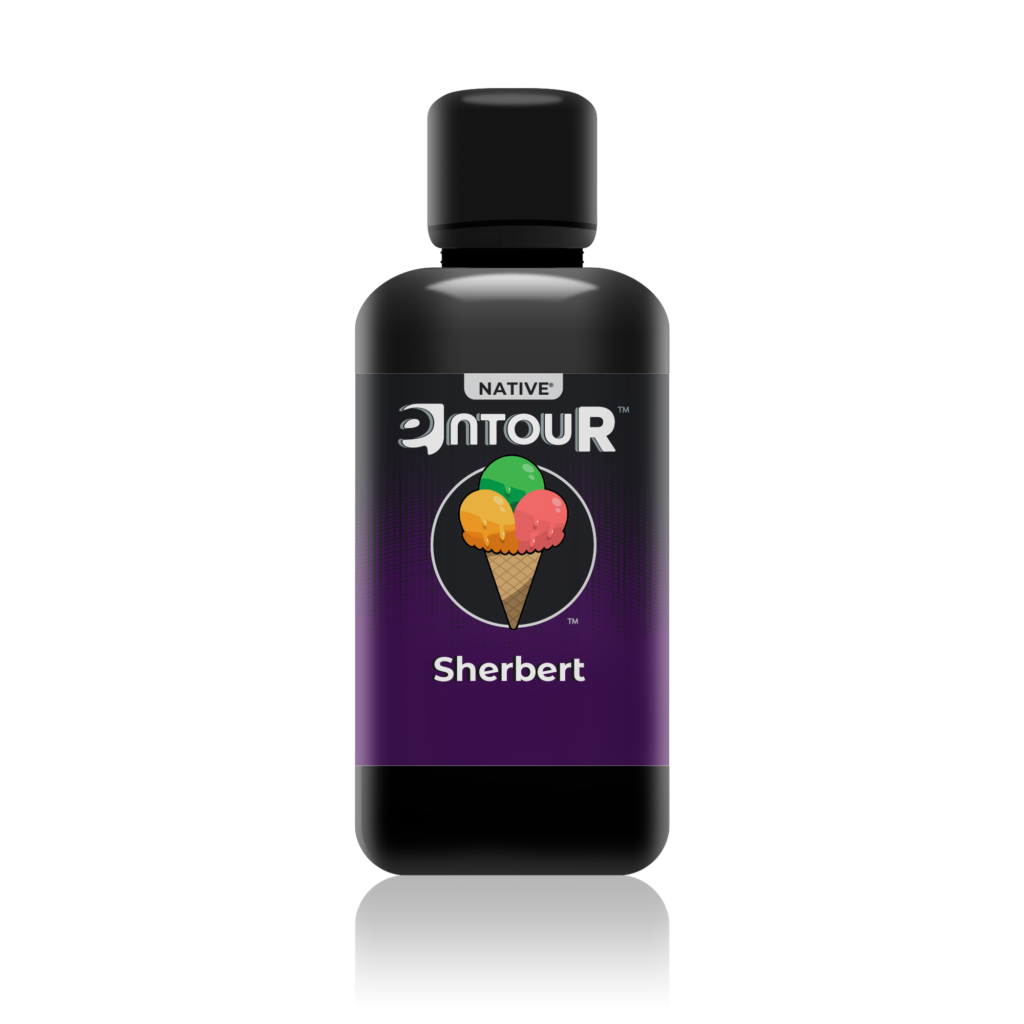
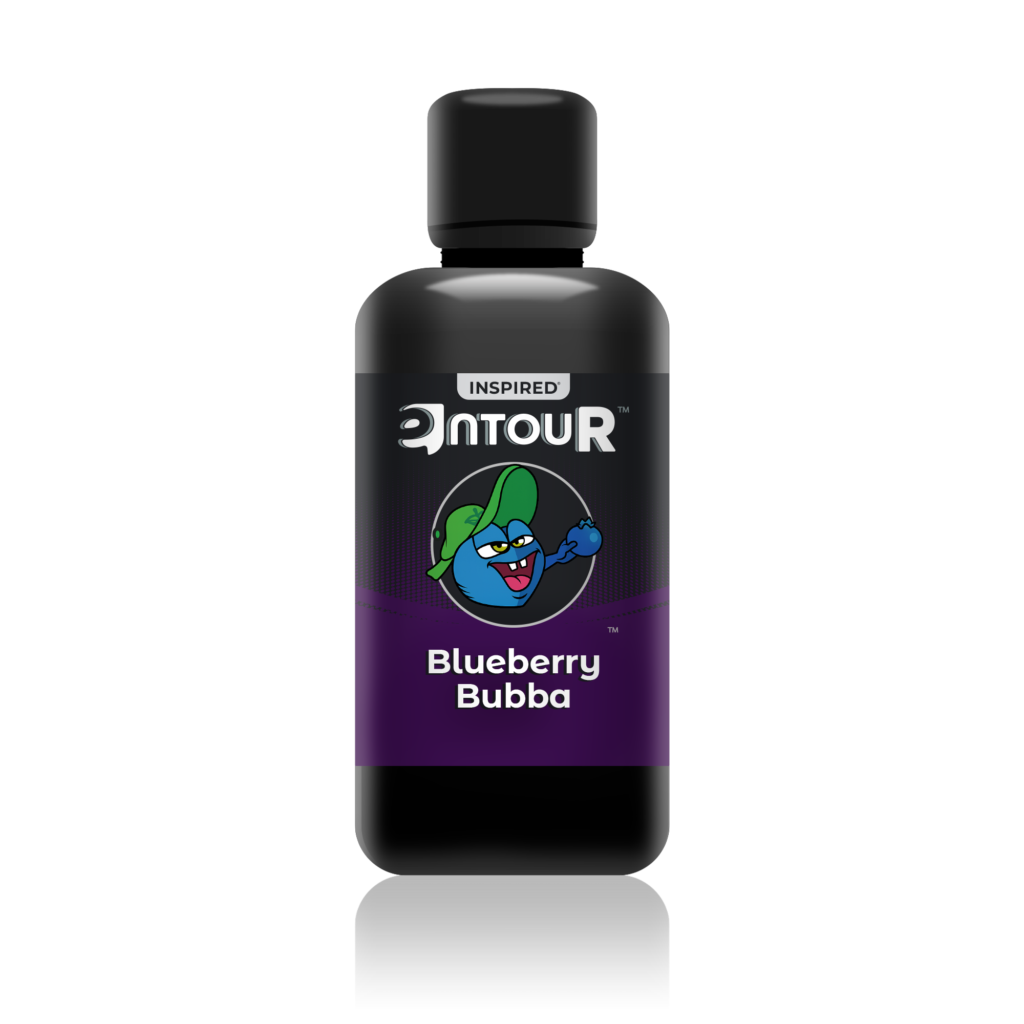
For those curious about trying terpene-rich products, explore Entour’s collection or their Native Blends like Fire Mango OG for a naturally inspired experience.
Safety and Sensible Use
- Use terpenes as part of normal diet or fragrance exposure, not as medicine.
- Essential oils and concentrated terpene products should always be diluted and used responsibly.
- Those with allergies or sensitivities should test small amounts first or choose milder scents.
- Research is ongoing; individual responses can vary.
Why Terpenes Matter
Terpenes remind us how closely our senses are tied to nature. Their scents can influence how we feel, help set a mood, and connect us to the plants around us. Scientists continue to study their properties to understand how these compounds contribute to the experience of aroma, taste, and overall plant benefits.
Quick FAQ
Q: Are terpenes the same as essential oils?
A: Essential oils contain many components, including terpenes. Terpenes are single molecules found within those oils.
Q: Can terpenes replace medicine?
A: No. Terpenes are natural plant compounds meant for enjoyment and general wellness, not for treating or diagnosing any condition.
Q: How can I safely explore terpenes?
A: Use natural sources like citrus fruits, herbs, or mild essential oil diffusers. Or try Entour’s terpene-inspired blends to explore scents safely and pleasantly.
Terpenes are the natural scents that make plants so enjoyable, from the zest of an orange to the calm of lavender. Learning about them gives insight into how nature’s chemistry influences daily life, scent, and mood.