
Cannabis doesn’t work in isolation. While cannabinoids like THC and CBD often steal the spotlight, research shows they’re just part of a much larger story. The real magic happens when cannabinoids team up with terpenes ,an aromatic compounds that give cannabis its distinctive scent profiles and shape its effects.
This phenomenon, known as the entourage effect, suggests that cannabis compounds amplify each other’s biological activity when working together. Think of it less like a solo performance and more like an orchestra, where each instrument enhances the overall experience.
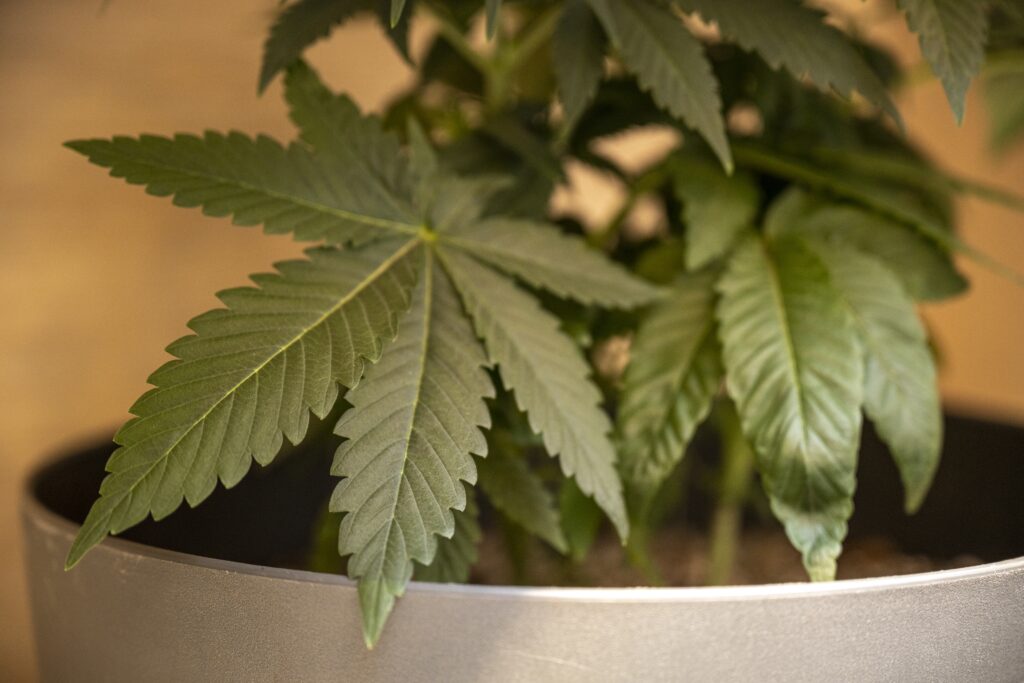
Enter myrcene , the most abundant terpene found in cannabis. Studies indicate this compound doesn’t just add earthy, musky notes to your strain. Research points to myrcene’s potential to enhance cannabinoid effects through synergistic interactions, particularly with THC and CBD.
While clinical trials remain limited, evidence from biotechnological studies reveals something fascinating: the terpene myrcene may act as more than just a supporting player. It appears to increase the biological properties of cannabinoids themselves, making it central to understanding how cannabis compounds truly work together.
What Is Myrcene?
Myrcene is a monoterpene , a class of organic compounds built from two isoprene units that give plants their characteristic aromas. In cannabis, it’s not just present — it’s dominant. Research shows myrcene ranks as the most abundant terpene across many cultivars, often appearing in higher concentrations than any other aromatic compound.
You’ll recognize myrcene by its earthy, musky scent profile. But cannabis isn’t the only source this terpene shows up in mangoes, hops, thyme, basil, and lemongrass. That herbal, slightly peppery note you detect in certain strains? That’s myrcene at work.
The prevalence of myrcene and other terpene types makes it a key player in how cannabinoids interact within the plant matrix. From a chemical standpoint, myrcene’s structure allows it to interact with biological systems in ways larger molecules cannot.
Understanding what the terpene myrcene does starts here — by recognizing it as cannabis’s most common aromatic compound, present in concentrations that matter for the entourage effect.
Myrcene’s Distinctive Aroma and Flavor Profile
The sensory signature of myrcene is unmistakable — earthy, musky, and herbal notes that define many classic cannabis cultivars. Beyond cannabis, myrcene appears in mangoes, hops, thyme, basil, and lemongrass, contributing to complex natural aromas.
Concentration matters. Studies found myrcene levels ranging from 0.33% to 11.50% across cultivars — a variance that directly impacts aroma and experience. A product rich in myrcene will deliver a deeper, grounding scent and more pronounced relaxing effects.
When evaluating cannabis products, checking actual myrcene percentages offers better insight into your potential experience than strain names alone.
How Does the Entourage Effect Work?
The science behind compound synergy comes down to receptor modulation and bioavailability enhancement. When cannabinoids and terpenes interact within the endocannabinoid system, they fundamentally change how each compound behaves.
Research shows that myrcene influences cannabinoid receptor binding and uptake, making cannabinoids more accessible to your body’s systems. This synergy explains why whole-plant formulations which preserve natural cannabinoid-terpene ratios deliver more balanced, effective results than isolated compounds.
Your endocannabinoid system evolved to process complex plant chemistry, not single molecules. That’s why products maintaining natural ratios of cannabinoids and terpenes may deliver more robust and consistent effects.
How Do Terpenes Contribute to the Entourage Effect?
Terpenes actively reshape how cannabinoids interact with your body. Their contribution happens through three main mechanisms: receptor modulation, permeability enhancement, and pharmacokinetic changes.
- Receptor Modulation: Myrcene binds to CB1 and CB2 receptors, altering their response to cannabinoids.
- Permeability Enhancement: Myrcene increases blood-brain barrier permeability, allowing cannabinoids to reach target sites more efficiently.
- Bioavailability Boost: Enhanced absorption means cannabinoids work harder and longer.
Together, these actions explain why terpene-rich formulations consistently outperform isolated extracts.
Myrcene’s Therapeutic Benefits and Effects
Preclinical research points to myrcene’s potential across four domains — sedative, analgesic, anti-inflammatory, and antioxidant activity.
- Sedative Properties: Myrcene may enhance sleep and relaxation, explaining why many evening-use blends are myrcene-dominant.
- Pain Relief: Myrcene modulates inflammation-related pain pathways, complementing cannabinoids like CBD.
- Anti-Inflammatory and Antioxidant: Myrcene helps reduce oxidative stress, optimizing how cannabinoid receptors function.
This synergy makes myrcene a cornerstone of the entourage effect it amplifies cannabinoids’ potential while adding its own therapeutic benefits.
What Are the Effects of Terpene Combinations?
Synergy deepens when myrcene teams up with other terpenes. Myrcene-rich cultivars like Granddaddy Purple and OG Kush typically pair high myrcene with caryophyllene and limonene, creating deeply relaxing effects.
Formulation precision matters. A 3:1 myrcene-to-limonene ratio produces a different experience than 1:1 — even with identical terpene totals. This is why Entour’s True To Plant® technology focuses on preserving exact cultivar ratios, ensuring authenticity and efficacy.
If you enjoy uplifting myrcene-forward profiles, explore Jack’s Citrus Sunrise. For deeper relaxation, try Fire Mango OG both crafted with precise terpene balance for targeted effects.
Harnessing the Full Potential of Myrcene
Recent data shows myrcene appears in over 85% of tested cannabis samples confirming its foundational role. The entourage effect isn’t marketing; it’s measurable synergy between cannabinoids and terpenes that determines therapeutic outcomes.
When you isolate cannabinoids, you lose the supporting terpenes like myrcene that modulate receptor activity and bioavailability. Full-spectrum products that preserve natural terpene ratios consistently deliver superior results a principle at the heart of Entour’s Live Derived Blends.
Whether you’re exploring terpene types, learning about why terpenes matter, or browsing Entour’s terpene-rich products, understanding myrcene’s role helps you unlock cannabis’s true potential.