
Terpinolene occupies a unique position in cannabis science. While this terpene appears in fewer cultivars as a dominant compound compared to myrcene or caryophyllene, its presence fundamentally shapes the aromatic profile and effects of energizing strains. When terpinolene does appear, it typically reaches concentrations between 15-20%, creating distinctive herbal and pine notes that define sought-after cultivars.
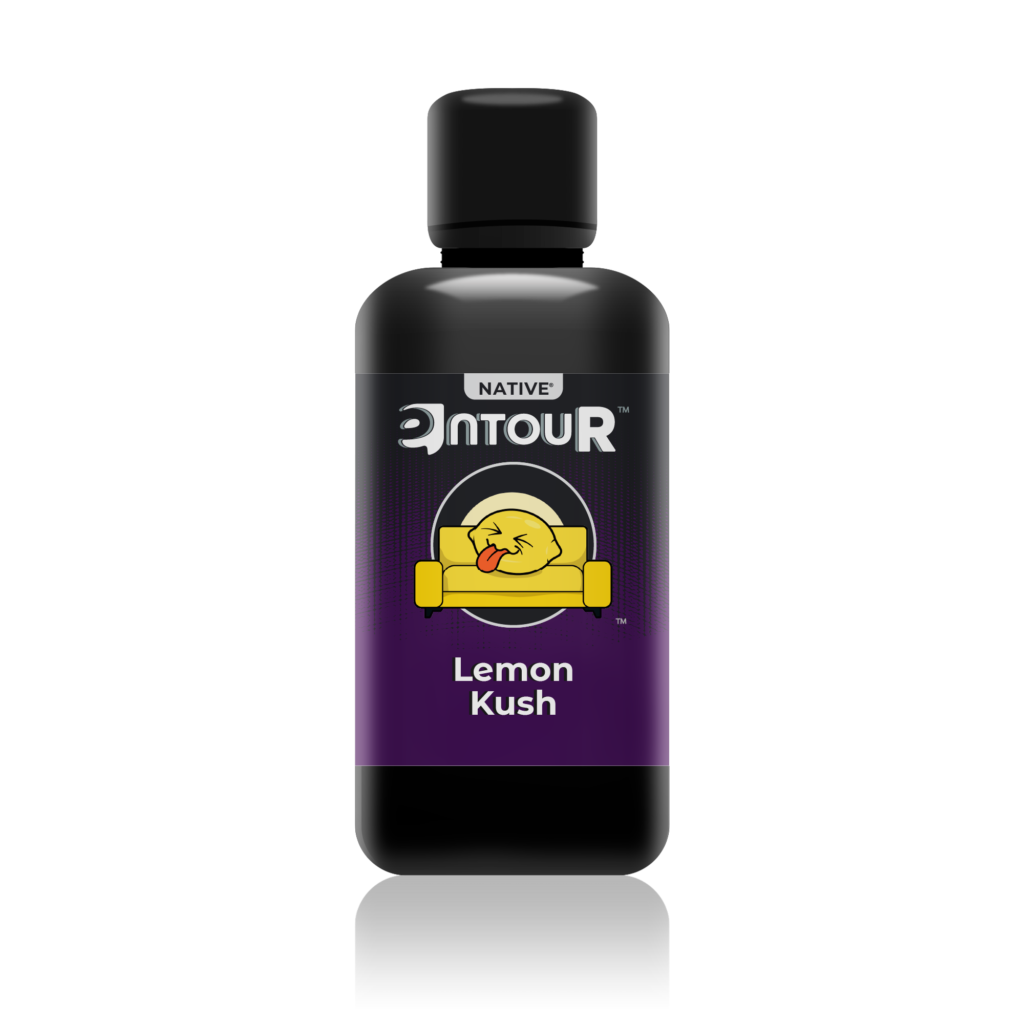
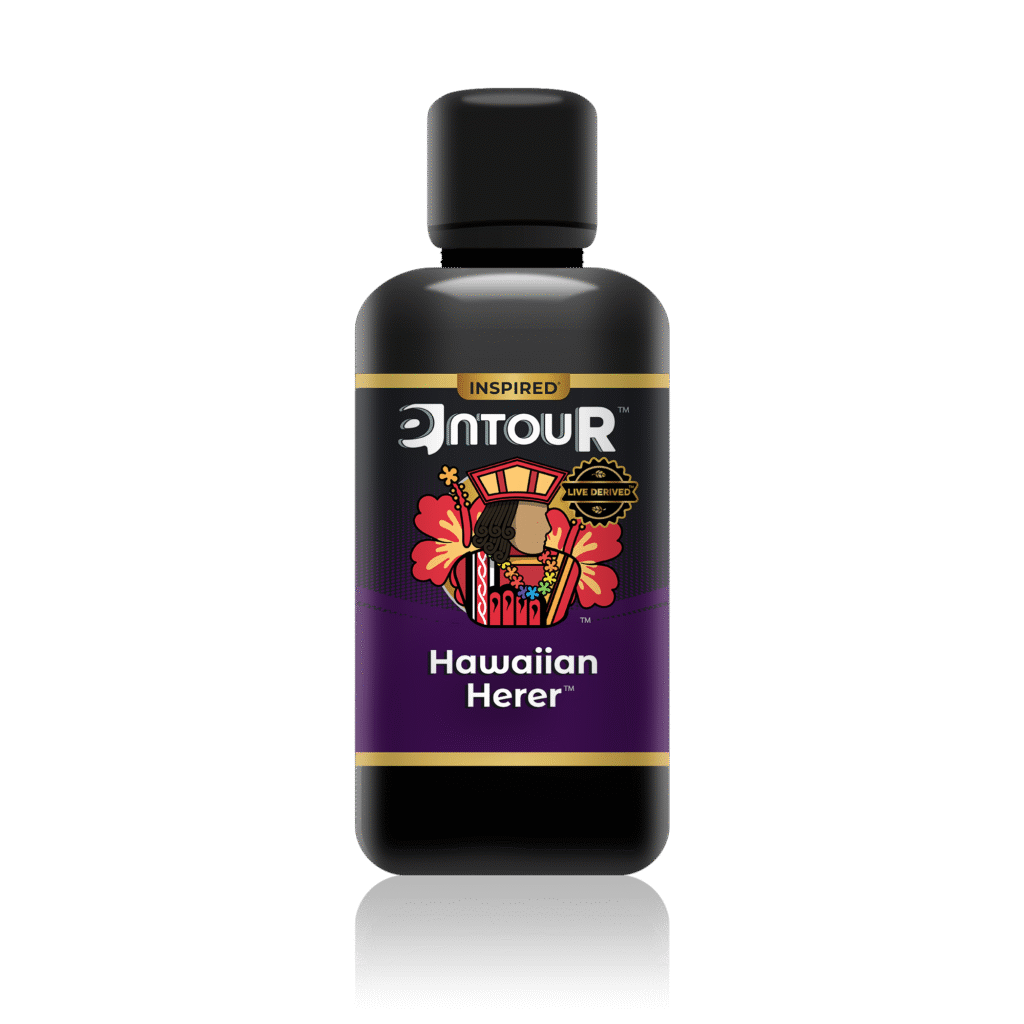
The paradox lies in its scarcity combined with its disproportionate influence on cannabinoid synergy. Research demonstrates that terpinolene participates actively in the entourage effect, modulating how cannabinoids interact within the cannabis matrix. For formulators, understanding terpinolene terpene effects means accessing precise control over targeted outcomes. Entour’s True To Plant® technology preserves these exact terpinolene ratios from original cultivars, enabling consistent replication of strain-specific experiences.
This terpene deserves attention beyond its relative rarity. Your formulation success depends on recognizing how terpinolene contributes to blend performance, particularly when creating products designed for focus and energy.
What Are the Effects of the Terpene Terpinolene?
Terpinolene produces a complex effects profile that challenges simple categorization. Research reveals this terpene influences both physiological and psychological responses through multiple pathways.
- Sedative and Calming Properties – Inhalation studies on single molecule isolates demonstrate terpinolene reduces locomotor activity in animal models, suggesting applications for restlessness and sleep support. Users report a floaty, mild mental calm that differs from traditional sedatives, creating relaxation without heavy drowsiness.
- Antioxidant Activity – Laboratory analysis confirms terpinolene exhibits significant antioxidant capacity, protecting cells from oxidative stress. This property contributes to broader wellness applications beyond immediate psychoactive outcomes.
- Anti-Proliferative Potential – Early in vitro research shows terpinolene inhibits cancer cell growth in specific models, though human clinical trials remain limited. These findings position this terpene as a compound of interest for therapeutic development.
- Cardiovascular Support – Preliminary studies indicate protective effects on cardiovascular tissue, expanding terpinolene’s therapeutic range beyond neurological applications.
- Antimicrobial Function – Terpinolene demonstrates effectiveness against various microbial targets in controlled settings, adding defensive properties to its profile.
- Cannabinoid Modulation – Within the cannabis matrix, terpinolene influences how cannabinoids are experienced through entourage interactions.
The sedative effects of terpinolene as a single molecule are counterintuitive to its appearance in energizing strains, demonstrating how complex the entourage effects are within our body. Terpene health benefits arise through complex interactions which vary in complex formulations as compared to only isolated compound action.
Understanding these multifaceted terpinolene terpene effects enables precise formulation decisions for targeted therapeutic and experiential outcomes.
Terpinolene’s Unique Aromatic Profile and Sensory Impact
Terpinolene delivers a multi-dimensional sensory experience that sets it apart from single-note terpenes. Your nose encounters layered complexity: bright citrus notes interweave with fresh pine, while floral undertones blend with herbaceous qualities that some describe as woody or slightly sweet. This aromatic architecture explains why terpinolene-dominant cultivars resist simple classification, offering depth that evolves from first impression through finish.
Standardized sensory analysis confirms terpinolene’s association with specific aromatic categories, though its presence rarely manifests in isolation. The compound contributes to what researchers identify as herbal, floral, and pine profiles within the broader spectrum of cannabis aromatic compounds. This complexity creates formulation opportunities for brands seeking distinctive sensory signatures.
| Aromatic Note | Intensity Level | Blend Contribution |
| Citrus | Moderate-High | Brightness, uplift |
| Pine | Moderate | Fresh, clean finish |
| Floral | Subtle-Moderate | Softness, complexity |
| Herbal | Moderate | Earthy depth |
Terpinolene’s layered aromatic profile means you need precise preservation methods during extraction and formulation to maintain its full sensory range.Its layered aromatic profile means precise preservation methods are required during extraction to maintain sensory integrity. Native blends from Entour preserve these natural terpene ratios for formulation consistency.
The sensory impact extends beyond initial aroma detection. When formulating blends, terpinolene’s multi-faceted character influences flavor perception throughout the consumption experience, creating sustained complexity rather than fleeting top notes. This persistence makes concentration control critical for achieving balanced, repeatable sensory outcomes in finished products.
What Does Terpinolene Do to the Brain?
Terpinolene interacts with your central nervous system through multiple neurological pathways, creating effects that extend beyond simple sedation or stimulation. Research demonstrates this terpene modulates key neurotransmitter systems, particularly influencing dopaminergic and serotonergic activity that governs mood regulation and behavioral responses.
Preclinical studies reveal terpinolene reduces oxidative stress markers in brain tissue while decreasing neuroinflammation through antioxidant mechanisms. This neuroprotective activity shields neurons from damage caused by free radicals, potentially supporting long-term cognitive health. The compound also demonstrates anxiolytic properties by acting on GABA receptors, the same neurological targets that benzodiazepines engage, though through gentler modulation.
Behavioral testing shows terpinolene decreases locomotor activity and produces measurable calming effects without cognitive impairment. Unlike compounds that simply depress neural function, terpinolene appears to normalize overactive stress responses while maintaining mental clarity. This balanced neurological profile explains why terpinolene-rich formulations can simultaneously promote relaxation and sustained focus.
Terpinolene’s impact on neurotransmitter balance creates therapeutic potential for mood disorders. Animal models demonstrate antidepressant-like outcomes through serotonin pathway regulation, suggesting applications beyond immediate psychoactive experiences. When formulating blends, these neurological mechanisms interact with cannabinoid activity to produce nuanced cognitive outcomes that isolated compounds cannot achieve alone.
Understanding how terpinolene affects brain chemistry enables you to design formulations targeting specific neurological outcomes through precise ratio control.
Terpinolene in Synergy: The Entourage Effect in Blends
A formulation combining 45% terpinolene with 3.5% pinene and 4.5% limonene produces layered energizing effects exceeding what any single compound delivers. Terpinolene provides foundational clarity, pinene sharpens mental acuity, and limonene elevates mood.
Temperature control is critical; terpinolene begins degrading at 140°F, with exponential losses above 180°F that disrupt carefully designed ratios.
Clinical research confirms that terpene-cannabinoid combinations amplify therapeutic outcomes beyond isolated compound administration. Patients report greater symptom relief from myrcene and terpinolene-rich cannabis compared to single-terpene profiles, demonstrating measurable synergistic benefits. This cannabinoid synergy operates through complementary receptor interactions, where terpinolene modulates how THC binds to CB1 receptors while simultaneously influencing GABA pathways independently.
Temperature control becomes critical when preserving these interactions. Terpinolene begins degrading at 140°F, with exponential losses above 180°F that disrupt carefully designed ratios.
What Strain Has the Highest Terpinolene?
Jack Herer consistently ranks among cultivars with elevated terpinolene concentrations, frequently reaching 15-25% of total terpene content. This legendary strain established the aromatic benchmark for terpinolene-dominant profiles, combining herbal freshness with cerebral clarity. Golden Goat follows closely, delivering comparable terpinolene levels while emphasizing citrus brightness alongside the characteristic pine notes.
Dutch Treat and XJ-13 represent additional high-terpinolene options, each expressing unique secondary terpene arrangements that modify experiential outcomes. Ghost Train Haze pushes terpinolene concentrations even higher in select phenotypes, though batch variation remains significant across cultivation environments.
| Cultivar | Terpinolene Range | Primary Effects |
| Jack Herer | 15-25% | Cerebral focus, creative energy |
| Golden Goat | 12-20% | Uplifted mood, mental clarity |
| Dutch Treat | 10-18% | Balanced calm with alertness |
| XJ-13 | 8-16% | Euphoric creativity, daytime function |
Cultivar names provide starting points, but actual terpinolene concentrations vary dramatically between growers, harvest timing, and curing methods.
Batch-to-batch consistency poses challenges for formulators relying on flower sources. Certificate of Analysis (COA) verification becomes essential when selecting starting material for extraction. Entour’s True To Plant® platform addresses this variability by capturing exact terpinolene ratios from verified cultivars, enabling reproducible formulations regardless of seasonal harvest fluctuations. For applications requiring precise terpinolene dominant terpene effects, analytical verification surpasses strain name alone.
Optimal Terpinolene Concentrations for Different Effects
Terpinolene demonstrates dose-dependent activity at cannabinoid receptors, meaning concentration determines whether your formulation produces sedative calm or energizing clarity. Recent receptor binding studies confirm this terpene acts as a partial agonist at both CB1 and CB2 sites, with effects shifting dramatically based on precise ratios.
Step 1: Identify Your Target Effect Profile
Match terpinolene concentration to desired outcomes before selecting complementary compounds. Low concentrations (5-10% of total terpenes) enhance focus without sedation, while moderate ranges (15-20%) produce balanced relaxation with mental clarity. Concentrations exceeding 25% risk overwhelming secondary terpenes, flattening the experiential complexity you need for distinctive products.
Step 2: Apply Concentration Guidelines by Product Type
| Product Category | Terpinolene % | Total Terpene Load | Primary Outcome |
| Energizing Vapes | 8-12% | 5-7% | Sustained mental clarity |
| Balanced Tinctures | 15-20% | 3-5% | Calm focus, daytime function |
| Sleep Support | 22-28% | 4-6% | Gentle sedation without grogginess |
| Topical Applications | 10-15% | 8-12% | Antioxidant, antimicrobial benefits |
Step 3: Balance Secondary Terpenes for Synergy
Pair terpinolene with limonene at 1:3 ratios for mood elevation, or combine with pinene at 4:1 for enhanced cognitive sharpness. Understanding how terpenes versus cannabinoids interact enables precise entourage engineering rather than guesswork.
Terpinolene concentrations above 30% create aromatic harshness that consumers perceive as unbalanced, regardless of therapeutic potential.
Certificate of Analysis (COA) verification confirms your starting material matches formulation specifications, preventing ratio drift that destroys reproducibility across production batches.
What Terpene Gives the Giggles?
No single terpene exclusively produces euphoric laughter, but terpinolene frequently appears in cultivars associated with uplifting, giggly experiences. This terpene modulates mood through monoamine oxidase enzyme interactions, influencing dopamine and serotonin metabolism in ways that elevate emotional responses. When combined with limonene and pinene in specific ratios, terpinolene creates the cerebral clarity and mood enhancement consumers describe as giggly or euphoric.
Strains like Jack Herer and Durban Poison exemplify this phenomenon, delivering terpinolene concentrations alongside complementary mood-enhancing compounds. The synergy produces sustained mental energy without anxiousness, creating space for spontaneous laughter and creative thought patterns. Research confirms terpinolene acts on serotonin receptors similarly to antidepressant compounds, normalizing mood without overstimulation.
The giggle effect emerges from balanced formulations rather than isolated terpene action. Excessive terpinolene concentrations risk tipping toward sedation, while insufficient amounts fail to produce noticeable mood shifts. Formulators targeting euphoric outcomes need precise ratio control between terpinolene and secondary compounds, maintaining terpinolene at 12-18% of total terpene content for optimal terpenes for anxiousness relief paired with uplifting clarity.
Terpinolene Alone vs. Terpinolene in Combination
Isolated terpinolene exhibits measurably different physiological outcomes compared to its performance within multi-compound matrices. Absorption kinetics reveal that single-compound administration faces bioavailability limitations, as molecular structure affects intestinal uptake rates and metabolic processing efficiency. When formulating products, this distinction determines whether your terpinolene investment delivers intended results.
| Characteristic | Isolated Terpinolene | Terpinolene in Blend |
| Bioavailability | Limited, rapid metabolism | Enhanced through synergistic protection |
| Effect Duration | 45-90 minutes | 2-4 hours sustained |
| Receptor Activation | Single pathway targeting | Multi-receptor modulation |
| Therapeutic Range | Narrow, dose-sensitive | Broader, forgiving margins |
| Sensory Complexity | One-dimensional pine/herbal | Layered, evolving profile |
| Formulation Stability | Volatile, degrades quickly | Protected by complementary compounds |
Blended formulations demonstrate superior stability because secondary terpenes shield terpinolene from oxidative degradation during storage. Research confirms that limonene and pinene combinations extend shelf life by 40-60% compared to isolated terpinolene preparations. Entour’s approach captures these protective relationships through True To Plant® analysis, preserving natural ratios that maximize both efficacy and product longevity.
Gut microbiota can metabolize terpene combinations more efficiently than isolated compounds, potentially converting inactive precursors into bioactive metabolites that extend therapeutic windows.
For complete guidance to terpene applications requiring reproducible outcomes, combination formulations outperform single-compound approaches across bioavailability, duration, and consumer satisfaction metrics.
Harnessing Terpinolene’s Potential in Your Formulations
Your formulation strategy starts with concentration precision. Edibles perform optimally at 0.5-1% terpinolene, while vape cartridges achieve stability and effect balance at much higher concentrations, sometimes up to 3-5% of the vape cartridge formulation. These ranges prevent both underwhelming experiences and formulation instability that compromises product integrity.
Storage conditions directly impact terpinolene preservation. Despite its favorable boiling point of 260°C, monoterpene degradation occurs during extended storage without controlled environments. Implement temperature monitoring below 70°F and minimize light exposure to maintain ratio integrity across shelf life.
Start with strain-verified profiles rather than isolated compounds. Terpinolene delivers superior outcomes when preserved alongside its natural companion terpenes, as demonstrated through bioavailability and duration advantages. Entour’s analysis of 200+ compounds ensures you access these complete matrices through Native, Inspired, and Live Derived options that match specific cultivar targets.
Request batch-specific COA verification for every production run, confirming terpinolene concentrations match your formulation specifications before scaling.
Strain-verified profiles outperform isolated compounds in bioavailability, duration, and consumer satisfaction. Explore Entour’s Native, Inspired, and Live Derived options for complete terpene matrices and cultivar-accurate experiences.