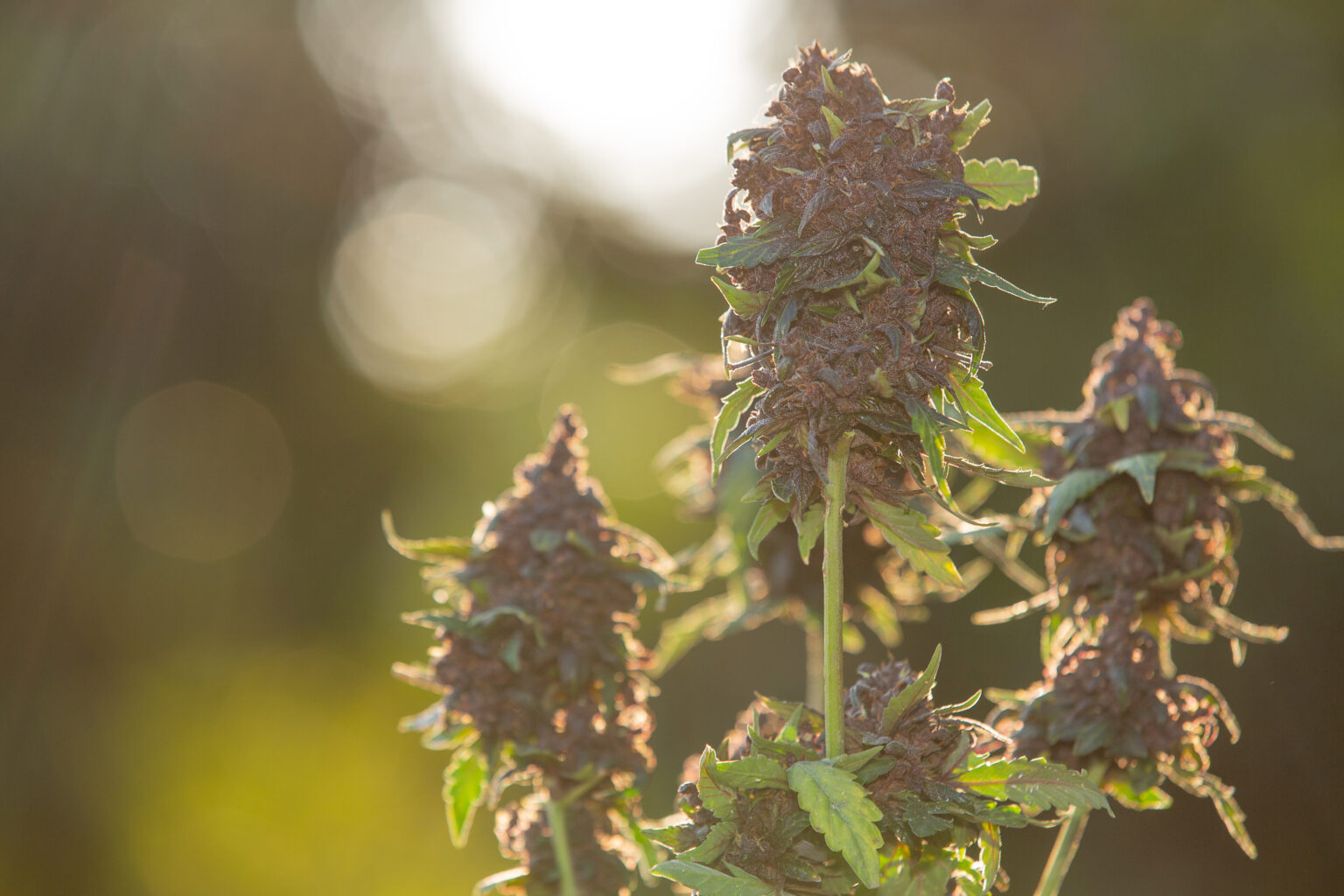
Terpenes are organic molecules that give plants their distinct aromas: citrus, pine, floral, spicy, and earthy notes come from different terpenes. In cannabis, terpenes contribute to each strain’s unique scent and taste and are a major reason two strains can smell and feel different even if their cannabinoid content is similar.
How Terpenes Matter in Cannabis
When people talk about the benefits of terpenes in cannabis, they’re usually describing practical, sensory, or product-choice benefits, such as:
Aroma & flavor: Terpenes shape the smell and taste of cannabis products. Users often pick strains based on scent preferences.
Product differentiation: Growers and brands use terpene profiles on labels to help consumers find a preferred aroma or sensory experience.
Formulation & experience design: Terpenes are included in vape cartridges, tinctures, and topical products to create a desired scent profile or mouthfeel.
Scent-based routines: Many users include terpene-forward products in ritualized routines (for atmosphere, sensory enjoyment, or relaxation habits).
These are everyday ways terpenes add value to cannabis products and experiences.
Common Cannabis Terpenes and How People Describe Them
Below are commonly listed terpenes you’ll see on many cannabis product pages, described in plain sensory terms used by consumers and producers:
- Myrcene — earthy, musky, sometimes described as “herbal” or “clove-like.” Common in many strains.
- Limonene — citrusy and bright (lemon/orange). Often used to describe uplifting, fresh aromas.
- Linalool — floral and lavender-like; commonly noted in fragrance-focused strains.
- Pinene — piney or rosemary-like; associated with foresty, fresh scents.
- Beta-caryophyllene (caryophyllene) — spicy, peppery notes found in black pepper and many herbs.
- Humulene — woody, earthy, sometimes hoppy aroma.
Learn more about the most powerful terpenes and how they influence your experience.
What the Science Explores
Researchers have studied terpenes in several lab and experimental contexts. That body of work includes chemistry, how terpenes interact with biological systems in controlled settings, and the practical effects of combining terpenes with other plant components. Much of this research is still investigational, with many findings coming from lab or animal studies, and reviewers often call for larger human studies.
When you read headlines suggesting “terpenes do X,” it’s useful to check whether the statement is from preliminary research or from wider clinical evidence.
Practical Ways People Use Terpene Info When Buying Cannabis
- Read terpene profiles on product labels to pick flavors and aromas you prefer.
- Match scent to ritual: If you like citrus aromas in the morning, seek limonene-forward products like Jack’s Citrus Sunrise; if you prefer tropical or mango-forward scents, try Fire Mango OG.
- Try single-strain experiences: Sample a strain once or twice to learn how its terpene profile reads to you personally.
- Check product quality: Terpene concentrations and extraction methods vary; reputable brands publish batch testing and ingredient lists.
Safety & Sensible Use
Terpenes are powerful in concentrated form essential oils or isolates can irritate skin or airways if misused. Always follow product instructions and recommended dilutions.
If you have fragrance sensitivities or respiratory conditions, prefer mild exposure or whole-plant experiences and consult the product’s safety info.
Avoid assuming “natural” equals “safe at any dose.” Product quality, extraction method, and formulation all matter.
FAQs
Q: Do terpenes make cannabis strains different?
A: Yes, terpenes are a major reason strains have distinct smells and flavors even when cannabinoid content is similar.
Q: Can I smell terpenes before I buy them?
A: In dispensaries that allow it, smelling flowers or trying a sample can help you decide. Many packaged products list dominant terpenes on the label.
Q: Are terpene profiles standardized?
A: Not always. Terpene content can vary by growing conditions, harvest, and extraction method. Look for lab testing information when possible.
Terpenes are the aromatic building blocks that shape how cannabis smells, tastes, and how products are experienced. The practical benefits people notice are mainly about aroma, flavor, product differentiation, and personal preference when choosing strains or formulations.
Research continues to explore terpene chemistry and behavior in controlled settings, but when you focus on shopping and daily use, the most immediate value of terpenes is sensory and product-selection oriented: pick terpene profiles that match the aromas and experiences you enjoy, use quality products, start small with potent extracts, and be mindful of individual sensitivities.