Terpenes are natural molecules produced by plants that create their distinctive smells and tastes. You smell terpenes when you peel an orange, crush basil leaves, or walk through a pine grove. They’re major components of essential oils and botanical extracts used in cooking, fragrance, and everyday self-care.
Scientists study terpenes in many contexts. Lab and animal research has examined how individual terpenes interact with inflammation pathways, oxidative stress markers, and certain signaling systems. A growing body of reviews summarizes these exploratory findings, but many reviewers also highlight that large-scale human clinical research is still limited. Because of that, reputable summaries present terpene activity as an interesting and active research area rather than conclusive proof of specific health outcomes.
Common Terpenes and How People Often Describe Their Effects
Below are some frequently mentioned terpenes and how they’re commonly experienced in everyday contexts. The notes describe scent and common usage patterns and are not medical claims.
- Linalool — floral, lavender-like; widely used in aromatherapy and fragrance blends.
- Limonene — bright, citrusy; common in citrus peels and many kitchen aromas.
- Myrcene— earthy or musky; appears in various herbs and fruits.
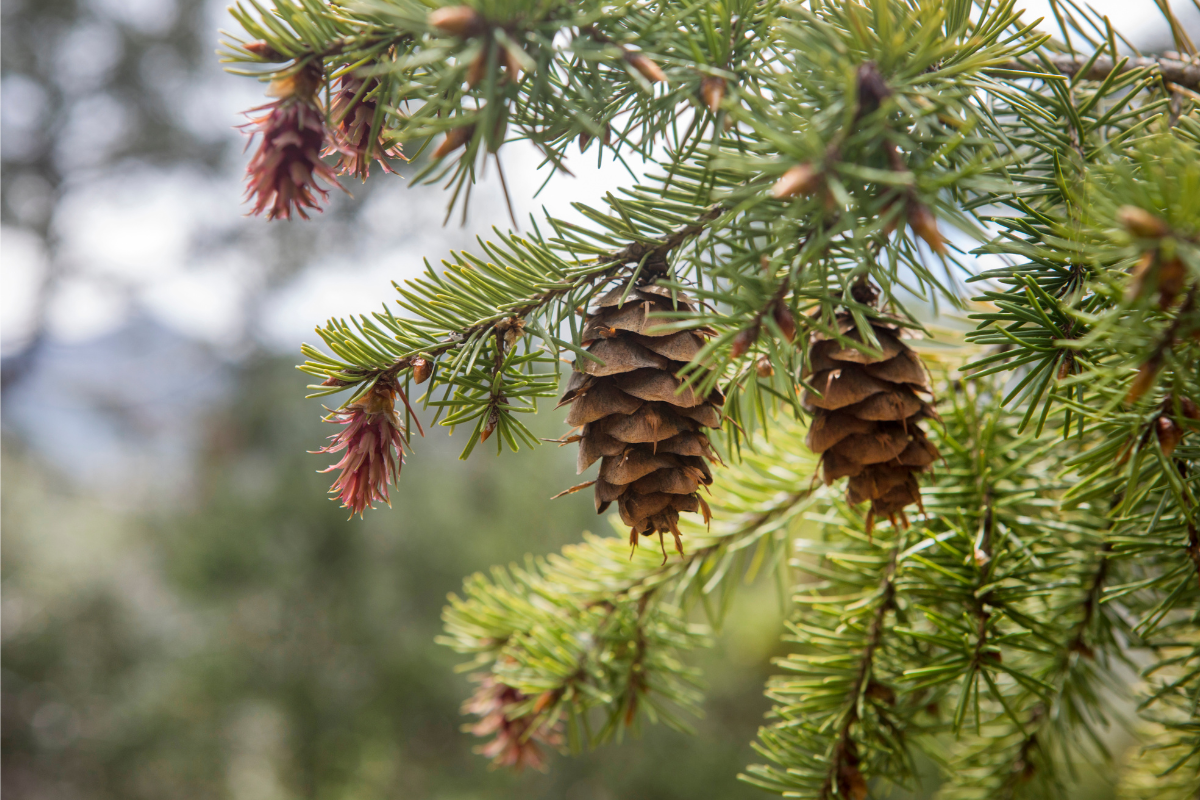
- Pinene — fresh pine/rosemary scent; associated with outdoorsy aromas.
- Beta-Caryophyllene — spicy, peppery scent found in black pepper and cloves.
How Terpenes Are Used in Everyday Life
These are common, non-medical ways people include terpene-rich plants or products in routines:
- Aromatherapy & diffusers: Use terpene-inspired blends and essential oils to enhance atmosphere and relaxation.
- Food & cooking: Zest, fresh herbs, and spices release terpene aromas during cooking and eating.
- Topical & personal care: Lotions, balms, and soaps often include botanical extracts for scent and sensory feeling; always follow product directions.
- Nature & green time: Walking in gardens, orchards, or forests exposes you to natural plant scents.
These uses focus on sensory experience, environment, and personal comfort not clinical treatment.
Practical Starter Routine (One-Week Plan)
- Day 1: Put fresh citrus peels in a small bowl to scent the kitchen.
- Day 2: Place a small bunch of dried lavender near your bedside.
- Day 3: Cook with crushed rosemary or basil to enjoy kitchen aromas.
- Day 4: Diffuse one gentle essential oil for 10–20 minutes (single ingredient).
- Day 5–7: Rotate plant scents (citrus one day, herb the next) and note personal preferences.
You can also explore native blends to discover natural combinations that fit your scent goals.

Safety & Sensible Use
- Start small: With concentrated extracts and essential oils, a tiny amount is often enough.
- Patch test topicals: Test new skincare or topical products on a small skin area first.
- Quality matters: Choose trusted terpene brands that list ingredients and provide dilution guidance for concentrated products.
- Respect sensitivities: People with fragrance sensitivity, asthma, or allergies should limit exposure and prefer mild, whole-plant sources where possible.
- Stop if uncomfortable: Individual reactions vary discontinue any scent or product that causes irritation or discomfort.
FAQ: Terpenes and Everyday Use
Q: Are terpenes the same as essential oils?
A: Essential oils are mixtures that contain terpenes among other compounds. Terpenes can be single identifiable molecules inside those oils.
Q: Can I get terpenes from food?
A: Yes, citrus zest, fresh herbs, spices, and certain fruits are simple, food-safe sources of terpenes.
Q: Do terpenes have standard doses?
A: No. Terpene content varies by plant, extraction method, and product — standardized dosing is not common across consumer products.
Terpenes are the natural scents that shape how plants smell and how we experience them. Research shows they are active in many experimental settings, and people worldwide use terpene-rich plants and products for aroma, flavor, and sensory self-care.
When exploring the health effects of common terpenes, keep the distinction clear: enjoy them for scent and daily-life comfort, use quality products, start small, and be mindful of individual sensitivities. The science is active and evolving and terpene-rich blends are an accessible, sensory way to bring more nature into daily routines while the research continues to develop.