A terpene profile refers to the unique combination and concentration of terpenes found in a specific cannabis product or strain. These profiles help define aroma, flavor, and many of the sensory qualities of cannabis. Knowing how to read and use terpene profiles gives consumers insight into product selection, smell‐and‐taste differences, and how growers and brands design experiences.
What Is a Terpene Profile?
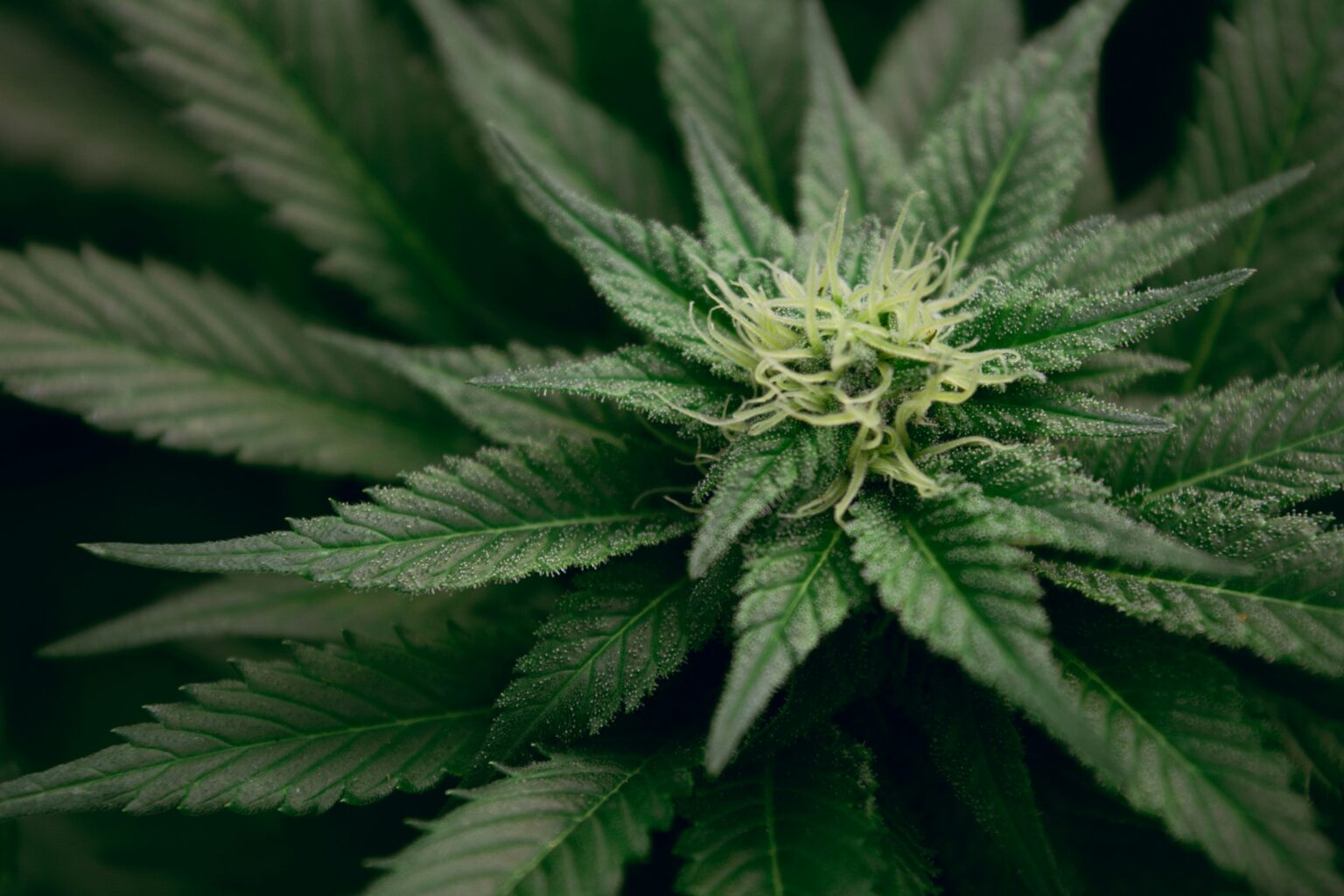
Terpenes are the aromatic compounds in plants responsible for smells like citrus, pine, floral, spice, or earth. In cannabis, each strain has its own terpene signature — a mix of terpenes in various amounts. The terpene profile is essentially the “fingerprint” of those smells and flavors in that strain or extract.
Why Terpene Profiles Matter in Cannabis
While cannabinoids (like THC and CBD) get much of the attention, terpene profiles add another “layer” to how products look, smell, taste, and feel. Key reasons consumers and brands focus on terpene profiles include:
- Aroma & flavor differentiation: Two strains with similar cannabinoid levels can smell or taste very different because of their terpene profile.
- Product labeling: Many dispensaries list dominant terpenes so buyers can choose strains by scent or flavor preferences.
- Experience design: Growers and extract makers use terpene profiles to target certain sensory experiences (e.g., fruity vs. woody vs. herbal).
- Education: Learning to read terpene profiles helps informed consumers choose based on what they like rather than just cannabinoid numbers.
Discover more on why terpenes matter for your cannabis experience and how they shape each strain’s unique aroma and feel.

Common Terpenes You’ll See + Simple Sensory Notes
Here are some terpenes frequently listed in cannabis profiles and how they’re commonly described (no claims being made, just offering sensory/flavor/aroma notes):
- Myrcene – earthy, musky, herbal; present in many strains.
- Limonene – bright citrus (lemon, orange peel); fresh and zesty.
- Linalool – floral, lavender‐like; gentle and perfumed.
- Pinene – pine or rosemary scent; foresty and crisp.
- Beta-caryophyllene – spicy, peppery, woody; strong aroma in some extracts.
- Humulene – woody, earthy, sometimes with a slight herbal bitterness.
Learn more about the most powerful terpenes and how they influence aroma and taste.
How to Read a Terpene Profile Chart
Here’s a simple step‐by‐step to help you interpret a terpene profile on a product label or lab sheet:
- Look at the listed terpenes – Note which terpenes are listed as dominant or present in higher percentages.
- Match the aroma descriptions – Scent terms like citrus, pine, or herbal show up in notes tied to specific terpenes.
- Consider concentration ranges – Higher percentages mean that terpene will most likely have a stronger presence in smell and taste.
- Pair with other product info – Combine terpene profile + cannabinoid numbers + strain name/form (flower, concentrate, edible) for a fuller picture.
- Keep your preferences in mind – If you know you prefer berry or wood scents, check which terpenes support that aroma and look for them.
You can explore detailed charts in live-derived blends for reference.
Everyday Ways You’ll Use Terpene Profile Info
- Choosing by scent/taste: If you prefer citrus-smelling products, look for limonene on the label or try Jack’s Citrus Sunrise.
- Trying new products: Use your sense of smell or taste to compare profiles and track what you like.
- Understanding product descriptions: Many menus list “dominant terpenes”; knowing what they mean helps you choose.
- Designing your experience: If you prefer tropical, mango-like aromas, consider Fire Mango OG for a fruity terpene-forward experience.
Explore more cannabis products and see how brands use terpene profiles to craft distinctive aromas and effects.
FAQs
Q: What does “dominant terpene” mean on a label?
A: It means that among the terpenes tested, that particular terpene showed up in one of the highest concentrations in that batch or strain.
Q: Do all cannabis strains list terpene profiles?
A: Not always. Some products list detailed lab results; others may only show cannabinoids. If terpene info is important to you, look for strains/products that include it.
Q: Can I smell the terpene profile before I buy it?
A: In some dispensaries you can smell flowers or ask about the dominant terpenes. With packaged or processed products (edibles, extracts), you’ll need to rely on labels and descriptions.
While terpene profiles won’t tell you everything, they certainly help shape your sensory experience and guide your choices in the vast cannabis market. When shopping online, check Entour Brand to find terpene-rich cannabis products that match your preferred aromas and flavors.
Understanding cannabis terpene profiles gives you a richer view of the plant beyond cannabinoid numbers. By learning the key terpenes, reading a profile chart, and aligning aroma/taste preferences with product offerings, you become a more informed consumer.