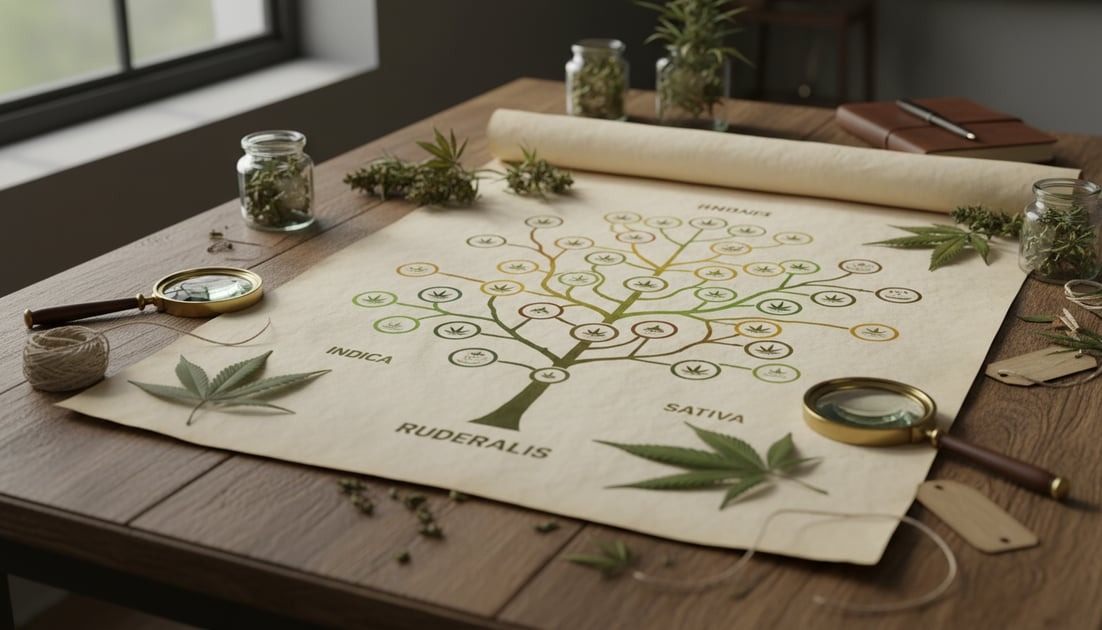
Blackberry Kush is an indica-dominant hybrid that delivers the relaxing, body-focused effects characteristic of indica genetics with minimal sativa influence. This strain stands out in cannabis strain classification due to its unique tetraploid genetic structure, featuring four sets of chromosomes instead of the typical two found in most cultivars. The Afghani genetics in its lineage contribute to the strain’s signature sedative qualities and robust terpene profile.
What makes Blackberry Kush particularly interesting is how its hybrid strain characteristics balance potency with accessibility. The cannabis effects profile centers on physical relaxation rather than cerebral stimulation, making it a go-to choice for evening use. When formulating cannabis products, understanding the relationship between a strain’s genetic makeup and its terpene composition becomes essential. Entour uses True To Plant® technology to analyze over 200 compounds in cultivars like this one, replicating the authentic aroma and effect profiles that define indica-dominant hybrids.
Is Blackberry Kush an Indica or a Sativa?
Blackberry Kush is an indica-dominant hybrid, meaning it contains predominantly indica genetics with a small percentage of sativa. The strain typically expresses an 80/20 indica-to-sativa ratio, placing it firmly in the indica category for cannabis strain classification purposes. You’ll experience the heavy body relaxation and sedative qualities that define indica strains, with only subtle cerebral effects from its minor sativa genetics ratio.
The Blackberry Kush indica classification comes directly from its parent genetics. The Afghan Kush lineage provides the dominant indica foundation, while the Blackberry parent strain contributes both flavor complexity and the small sativa component. This genetic combination creates hybrid strain characteristics that lean heavily toward physical relaxation rather than mental stimulation.
Understanding the cannabis effects profile requires looking beyond simple indica versus sativa labels. Blackberry Kush delivers THC content typically ranging from 16% to 20%, which produces potent sedative effects without overwhelming novice users. The strain’s cannabinoid and terpene composition determines its actual effects more accurately than its genetic ratio alone.
The indica dominance manifests physically in the plant structure itself. You’ll recognize Blackberry Kush by its short, bushy stature, broad dark green leaves, and dense purple-tinged buds – all classic indica morphology inherited from its Afghani genetics. These physical traits directly correlate with the strain’s chemical profile and resulting effects.
When formulating products that replicate this cultivar’s profile, the terpene composition matters as much as the indica-sativa ratio. Myrcene typically dominates the terpene profile, contributing to the sedative body effects, while limonene and linalool add the signature berry notes. This complex chemical fingerprint defines the authentic Blackberry Kush experience beyond simple genetic percentages.
Genetic Lineage: The Story Behind Blackberry Kush
Blackberry Kush emerged from the breeding work of DNA Genetics, who crossed two distinct parent strains to create this indica-dominant hybrid. The Afghani genetics provide the foundation – a pure landrace indica from the Hindu Kush mountain region known for its resilient growth patterns and potent sedative properties. The Blackberry parent strain contributes the second half of the equation, adding berry-forward flavor compounds and a minor sativa component that balances the heavy Afghan influence.
The Afghani genetics dominate the strain’s chemical profile and physical structure. This landrace lineage carries centuries of natural selection in harsh mountain climates, resulting in compact plant morphology and high resin production. When breeders selected this parent, they locked in the sedative cannabinoid ratios and earthy terpene foundations that define traditional indica experiences.
The Blackberry parent strain brought aromatic complexity that pure Afghani lacks. This parent contributed anthocyanin pigments responsible for purple coloration, along with fruity terpenes like limonene that create the signature berry aroma. The genetic combination produces offspring that express approximately 80% indica traits from the Afghan side and 20% sativa characteristics from Blackberry.
DNA Genetics stabilized this cross to ensure consistent expression across generations. Breeders selected phenotypes that maintained the Afghani sedative effects while expressing pronounced berry flavors. When you encounter authentic Bubba Kush or similar Kush varieties, you’ll notice shared ancestry from those same Afghan landrace genetics that anchor the entire Kush family tree.
Blackberry Kush Terpene Profile Breakdown
Blackberry Kush terpenes create the strain’s signature berry aroma and sedative effects through a specific combination of myrcene, caryophyllene, and limonene. These aromatic compounds work synergistically with cannabinoids to produce the relaxing body sensations and sweet flavor that define this indica-dominant hybrid’s cannabis flavor profile.
1. Myrcene – The Dominant Sedative Compound
Myrcene serves as the primary terpene in Blackberry Kush, contributing earthy, musky base notes that anchor the overall aroma. This monoterpene enhances the indica-dominant characteristics by promoting muscle relaxation and creating the heavy-body sensation users associate with Kush varieties. Myrcene appears in highest concentrations among all terpenes in this cultivar, directly correlating with the strain’s sedative reputation. The compound also increases cell membrane permeability, potentially allowing other cannabinoids to cross the blood-brain barrier more efficiently.
2. Caryophyllene – The Spicy Complexity Layer
Beta-caryophyllene adds peppery, spicy undertones that balance the sweet berry profile. This sesquiterpene uniquely binds to CB2 cannabinoid receptors, functioning as a dietary cannabinoid with potential anti-inflammatory properties. In Blackberry Kush, caryophyllene provides the subtle spice notes you detect on the exhale, creating depth beyond simple fruit flavors. Research published May 2025 reveals limonene suppresses inflammatory cascade causing morning stiffness and swelling, though caryophyllene operates through different receptor pathways.
3. Limonene – The Citrus-Berry Bridge
Limonene contributes bright citrus notes that enhance the Blackberry parent strain’s fruity characteristics. This terpene creates the recognizable berry-forward aroma while offering mood-elevating properties that temper myrcene’s sedative weight. 2024 clinical studies by Johns Hopkins and University of Colorado show D-limonene mitigates THC-induced anxiety without reducing therapeutic effects. In Blackberry Kush, limonene concentrations remain lower than myrcene but provide essential aromatic complexity.
| Terpene | Aroma Profile | Primary Effect |
|---|---|---|
| Myrcene | Earthy, musky | Sedative, muscle relaxation |
| Caryophyllene | Spicy, peppery | Anti-inflammatory |
| Limonene | Citrus, berry | Mood elevation, anxiety reduction |
Entour replicates these precise terpene ratios through True To Plant® technology, analyzing over 200 compounds to recreate authentic Blackberry Kush profiles. Understanding this cannabis terpene profiles framework helps you identify how specific aromatic molecules create the effects you experience beyond THC content alone.
Blackberry Kush Strain Effects: What to Expect
Blackberry Kush delivers a powerful body-focused relaxation that begins within 5-10 minutes of consumption, progressing from gentle euphoria to deep physical sedation over 2-3 hours. This indica-dominant hybrid produces a dual-phase experience: initial mental clarity with mood elevation transitions into muscle-melting couchlock ideal for evening use. The strain’s high myrcene content drives sedative properties, while moderate limonene prevents overwhelming drowsiness during onset.
Onset Phase (0-15 Minutes): Cerebral Warmth
You’ll notice the first effects as gentle pressure behind your eyes and warming sensation across your forehead. Mental chatter quiets without creating fog – thoughts remain clear but less intrusive. This brief cerebral window offers mild euphoria and heightened sensory awareness before physical effects dominate. Users report enhanced appreciation for music and food during this phase, making it distinct from immediate sedation typical of pure indica strains.
Peak Effects (15-90 Minutes): Full-Body Relaxation
Physical sensations intensify as myrcene-driven muscle relaxation spreads from shoulders downward through limbs. Your body feels weighted, heavy, anchored to wherever you’re sitting. This isn’t paralysis – you can move if needed – but motivation to stand decreases significantly. The cannabis experience shifts from mental to somatic as caryophyllene’s anti-inflammatory properties reduce physical tension. Chronic pain sufferers describe this peak window as providing maximum therapeutic relief.
Duration and Comedown (90+ Minutes): Gentle Sedation
Effects plateau rather than spike, maintaining consistent relaxation for 2-3 hours total. The comedown feels gradual, not abrupt – you won’t experience sudden crashes or anxiety rebounds. Most users transition naturally into sleep if consuming before bed. This extended duration makes Blackberry Kush strain effects particularly valuable for insomnia management compared to shorter-acting cultivars.
The Blackberry Kush strain effects profile mirrors other Kush varieties in sedative intensity but distinguishes itself through berry-terpene complexity. Understanding how to get to know strains through their cannabis effects profile helps you predict experiences based on terpene ratios rather than THC content alone.
Does Blackberry Kush Make You Sleepy?
Blackberry Kush produces significant sedative effects that typically induce sleep within 1-2 hours of consumption, driven by high myrcene concentrations that act as muscle relaxants and GABA-boosting compounds at neural receptor sites. This indica-dominant hybrid ranks among the most trusted cultivars for insomnia management due to its dual sedative mechanisms: myrcene-driven neurological relaxation combined with caryophyllene’s anti-inflammatory properties that reduce physical restlessness.
The strain’s sleep-inducing power stems directly from its terpene composition rather than THC content alone. Myrcene’s strong presence in the profile functions as the primary sedative agent by enhancing the permeability of cell membranes and allowing cannabinoids to take effect more rapidly. This terpene also boosts GABA neurotransmitter activity, the same mechanism used by pharmaceutical sleep aids, creating a natural pathway to drowsiness without synthetic compounds.
You’ll experience progressive sedation that builds gradually rather than hitting suddenly. The initial 15-30 minutes bring mental quieting and physical heaviness, but true sleepiness emerges during the 60-90 minute window as myrcene’s effects reach peak concentration in your system. This delayed onset allows you to prepare for bed without immediate incapacitation – a practical advantage over faster-acting sedatives.
Cannabis effects profile analysis shows that strains containing myrcene levels above 0.5% demonstrate measurable sleep-promoting properties, with Blackberry Kush strain potency in this terpene often exceeding that threshold. The combination of myrcene’s sedative action, pinene’s ability to promote deeper REM cycles, and caryophyllene’s pain-relieving properties creates a comprehensive sleep-support profile that addresses multiple barriers to rest: racing thoughts, physical discomfort, and difficulty maintaining sleep through the night.
Is Blackberry Kush Good for Pain Relief?
Blackberry Kush delivers effective pain relief through beta-caryophyllene’s direct activation of CB2 receptors in the peripheral nervous system, reducing inflammation without psychoactive side effects while myrcene provides muscle relaxation that addresses tension-based discomfort. This indica-dominant hybrid excels at managing chronic pain conditions affecting 20.9% of U.S. adults, particularly inflammatory pain from arthritis, fibromyalgia, and nerve damage.
The strain’s analgesic properties operate through three distinct mechanisms that target different pain pathways simultaneously. Beta-caryophyllene functions as a selective CB2 receptor agonist, triggering anti-inflammatory responses in tissues outside the central nervous system. This terpene reduces swelling and inflammatory pain without producing the cognitive effects associated with THC’s CB1 receptor activation. Myrcene complements this action by relaxing muscle tissue and increasing cell membrane permeability, allowing cannabinoids to penetrate deeper into affected areas.
Blackberry Kush strain potency in pain management stems from its cannabinoid-terpene synergy rather than THC content alone. The strain typically contains sufficient caryophyllene concentrations to produce measurable anti-inflammatory effects, while pinene adds bronchodilatory benefits that improve oxygen flow to inflamed tissues. This combination addresses both the sensation of pain and its underlying inflammatory causes.
You’ll find this cultivar particularly effective for evening pain management when inflammation peaks after daily activity. The sedative properties that promote sleep work synergistically with pain relief, creating a dual therapeutic benefit that helps you rest while your body recovers. Cannabis formulation platforms can replicate this specific terpene ratio for consistent therapeutic outcomes across different best terpenes for natural pain relief applications, ensuring predictable results for chronic pain sufferers who require reliable symptom management.
Blackberry Kush Cannabinoid Content
Blackberry Kush typically contains 16-24% THC content with minimal CBD levels below 1%, creating a high-THC, low-CBD cannabinoid profile that produces pronounced psychoactive effects characteristic of indica-dominant hybrids. This ratio delivers potent therapeutic benefits for pain and insomnia while maintaining the sedative properties users expect from Afghani genetics.
The strain’s cannabinoid composition extends beyond the primary THC and CBD compounds to include trace amounts of CBN, CBG, and CBC that contribute to the entourage effect. Research shows that 1:1 THC:CBD ratios reduce chronic pain by 30% more than THC alone, but Blackberry Kush achieves pain relief through its high-THC profile combined with beta-caryophyllene’s CB2 receptor activation rather than balanced cannabinoid ratios.
| Cannabinoid | Typical Range | Primary Effect |
|---|---|---|
| THC | 16-24% | Psychoactive, analgesic |
| CBD | <1% | Anti-inflammatory, minimal |
The strain potency stems from this specific cannabinoid architecture working synergistically with terpenes. High-THC concentrations activate CB1 receptors in the central nervous system, producing euphoric and sedative effects, while trace cannabinoids modulate these responses. You’ll experience more pronounced cognitive effects compared to balanced 1:1 ratios, making this cultivar ideal for evening use when psychoactivity won’t interfere with productivity.
Understanding full-spectrum vs isolate cannabinoid profiles helps you select formulations that match your therapeutic needs, whether you prioritize potency or require balanced ratios for daytime symptom management.
Best Consumption Methods for Blackberry Kush
Vaporizing Blackberry Kush at 160-180°C (320-356°F) preserves 85% more terpenes than combustion while delivering the strain’s myrcene and beta-caryophyllene profile intact for maximum sedative effects. Low-temperature vaping protects the delicate terpene compounds that define this indica-dominant hybrid’s therapeutic benefits, particularly for pain relief and sleep support.
Vaporization (Optimal) – Set your device between 160-180°C to preserve myrcene’s sedative properties and beta-caryophyllene’s anti-inflammatory action. This temperature range delivers smooth flavor while maintaining the cannabinoid profile that makes Blackberry Kush effective for evening use.
Smoking (Traditional) – Combustion provides immediate effects but destroys approximately 85% of terpenes through heat degradation. You’ll still experience the high THC content (16-24%), though the nuanced berry flavor and full entourage effect diminish compared to vaporization.
Edibles (Extended Duration) – Infused products deliver 6-8 hour effects ideal for chronic pain or insomnia management. The liver converts THC to 11-hydroxy-THC, creating more potent psychoactive experiences that amplify Blackberry Kush’s sedative characteristics.
Concentrates (Maximum Potency) – Live resin and rosin preserve terpene profiles while concentrating cannabinoids to 70-90% THC. These formats suit experienced users seeking immediate, intense therapeutic effects from Blackberry Kush’s Afghani genetics.
Entour replicates these strain-specific terpene profiles through True To Plant® technology, allowing formulators to maintain consistent effects across different consumption formats.
Potential Side Effects and Precautions
Blackberry Kush’s high THC content (16-24%) and sedative terpene profile create specific side effects you should anticipate before use. Dry mouth affects most users due to THC’s interaction with salivary glands, while the strain’s potent indica-dominant characteristics can trigger excessive drowsiness or couch-lock, particularly when you exceed your tolerance threshold.
Common Adverse Reactions – Dry mouth and dry eyes occur frequently with this strain’s cannabinoid profile. You may experience dizziness or mild anxiety at higher doses, especially if you’re sensitive to myrcene’s sedative properties. Stay hydrated and start with lower amounts to gauge your response.
Cardiovascular Contraindications – High THC cannabis carries elevated risk of myocardial infarction and stroke in patients with cardiovascular disease. Consult your physician before using Blackberry Kush if you have heart conditions or take blood pressure medications.
Pregnancy and Breastfeeding – The American College of Obstetricians and Gynecologists advises against cannabis use during pregnancy. Blackberry Kush’s THC crosses the placental barrier and appears in breast milk, potentially affecting fetal development.
Tolerance and Dependency – Regular use of this indica-dominant hybrid can build tolerance, requiring higher doses for equivalent effects. Take periodic breaks to maintain the strain’s therapeutic efficacy for pain relief and sleep support.
Experiencing Authentic Blackberry Kush Flavor and Effects
Blackberry Kush delivers authentic indica-dominant effects through its 80/20 indica-to-sativa genetics ratio, combining Afghani and Blackberry parent strains to produce sedative relaxation, pain relief, and sleep support. This cannabis strain classification reflects its myrcene-rich terpene profile and 16-24% THC content, creating the signature berry-sweet flavor and full-body effects you expect from premium indica-dominant hybrids.
The strain’s authentic experience depends on accurate cannabinoid and terpene replication. Entour’s True To Plant® technology analyzes over 200 compounds in cannabis cultivars to recreate precise flavor profiles and effects in formulated products, ensuring you obtain the characteristic blackberry sweetness and sedative properties that define this strain. This scientific approach preserves the hybrid strain characteristics that make Blackberry Kush effective for evening use and therapeutic applications.
Whether you consume flower, concentrates, or formulated products, understanding this strain’s Afghani genetics and terpene composition helps you predict its effects profile and select appropriate consumption timing.
Ready to experience authentic cultivar profiles? Explore Entour’s formulations designed to replicate your favorite strains with scientific precision.