The ruby red strain exists in a fog of conflicting information that frustrates both consumers and budtenders. Search for details about this cannabis cultivar online, and you’ll find wildly different genetics listed – some sources claim it’s a Blueberry x Mimosa x OZ Kush hybrid strain, while others insist it’s Sugar Tits crossed with Blue Slushie. The discrepancy isn’t just academic. Genetics determine everything from the balanced indica sativa effects you’ll experience to the fruit-forward flavor profile hitting your palate.
This confusion matters because you deserve to know what you’re consuming. Without clear lineage information or lab-tested potency data, choosing Ruby Red becomes a gamble rather than an informed decision. We’ve compiled research to cut through the contradictions, examining what’s actually known about this cultivar’s origins, effects, and how it compares to similar strains in today’s market.
What is Ruby Red Strain? Genetics and Background
The ruby red strain is a hybrid cannabis cultivar caught between two completely different genetic stories. Most sources trace its lineage to a three-way cross of Blueberry x Mimosa x OZ Kush, creating a balanced indica sativa profile that leans on Blueberry genetics for its fruit-forward flavor foundation. This Mimosa cross adds citrus brightness while OZ Kush contributes earthy depth, at least in theory.
But here’s where it gets messy. Other growers and dispensaries claim Ruby Red descends from Sugar Tits crossed with Blue Slushie – an entirely different genetic map that would produce vastly different terpene profiles and weed effects. Neither camp provides lab documentation to settle the argument. You’re left choosing between conflicting narratives with no way to verify which version you’re actually purchasing.
The dual lineage problem isn’t unique to Ruby Red – it happens when multiple breeders develop strains under the same name without coordination. Sometimes it’s the ruby red flamingo strain being confused with standard Ruby Red. Other times it’s regional growers creating their own versions and claiming the name. The result? You might buy Ruby Red in California and get a completely different cannabis cultivar than what’s sold under that name in Colorado.
What we know for certain: Ruby Red consistently shows up as a hybrid strain regardless of which genetics story you believe. The Blueberry x Mimosa x OZ Kush version appears more frequently in dispensary listings and strain databases, suggesting it’s either more widely distributed or better documented. But without standardized testing requirements across state lines, confirming the true parentage remains impossible.
This genetics confusion directly impacts your experience. Terpene profiles shift dramatically based on parent strains, which means flavor, aroma, and effect profiles vary batch to batch. Entour addresses this exact problem in cannabis formulations by using True To Plant® technology to analyze and replicate specific cultivar profiles, ensuring consistency regardless of genetic ambiguity.
Appearance, Aroma, and Flavor: Is Ruby Red Similar to Other Strains?
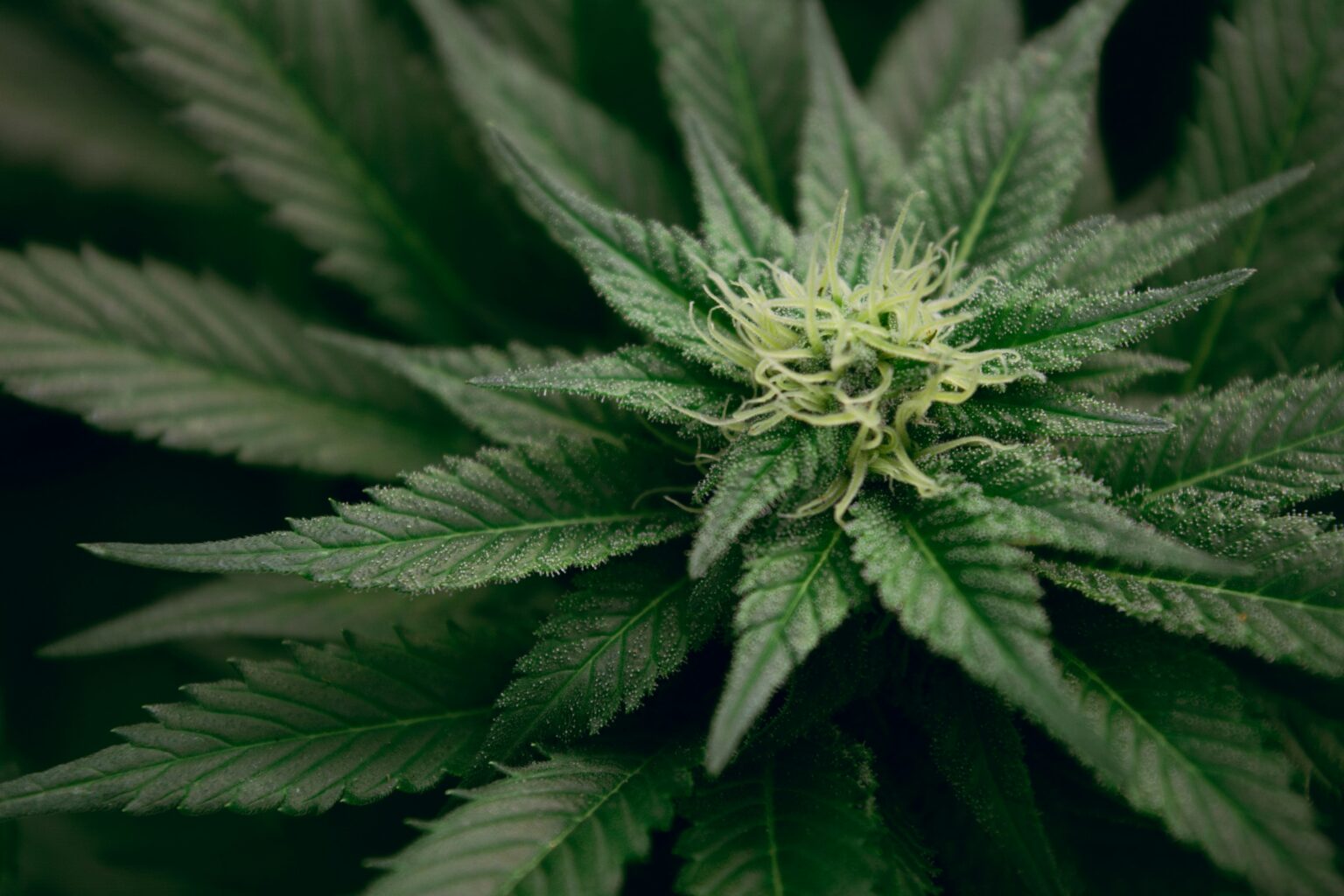
Ruby Red buds catch your eye immediately with deep burgundy and purple hues threading through forest-green calyxes, often frosted with a thick layer of trichomes that give the flower a silvery appearance under light. The red ruby strain isn’t actually ruby-colored – it’s more accurately burgundy, with those wine-dark tones appearing most prominently when the plant experiences cooler nighttime temperatures during flowering. This visual distinction answers the common question about whether ruby red is the same as burgundy: they’re descriptors for the same color spectrum, with Ruby Red cannabis displaying those exact burgundy tones that give the cultivar its name.
The bud structure tends toward medium density, neither rock-hard nor overly fluffy. You’ll notice the trichome coverage extends well onto sugar leaves, suggesting decent cannabinoid production even if exact THC percentages remain undocumented across most batches.
The fruit-forward flavor profile dominates from first inhale. Sweet berry notes lead, backed by subtle citrus brightness and a creamy finish that users frequently compare to dessert strains like Cherry Pie and Gelato. That’s the Blueberry genetics showing through, assuming you’re getting the Blueberry x Mimosa x OZ Kush version. The aroma follows the same pattern – crushing fresh buds releases concentrated berry sweetness with hints of tropical fruit, though the intensity varies significantly between growers.

Where Ruby Red diverges from Cherry Pie is in the citrus component. Mimosa genetics add a brighter, more acidic edge that Cherry Pie lacks, while OZ Kush contributes earthy undertones that ground the sweetness. Gelato shares that creamy finish, but Ruby Red skews more toward natural fruit than candy-like artificial sweetness.
The aromatic compounds in cannabis responsible for these flavors shift based on cultivation conditions, which explains why some batches emphasize berry while others lean citrus-heavy. Without standardized terpene testing, you’re gambling on which profile you’ll actually taste.
Effects and Potency Profile
Ruby Red delivers balanced indica sativa characteristics that users describe as mentally uplifting without overwhelming sedation. This hybrid strain produces weed effects that start with cerebral clarity and transition into gentle physical relaxation over 30-45 minutes, making it functional for daytime use at lower doses while still offering evening unwinding potential.
- THC Range and Cannabinoid Content – Without widespread lab testing, reported THC levels for the ruby red strain vary from 18% to 24% depending on cultivation practices and phenotype selection. Most consumer batches land somewhere in the 20-22% range based on dispensary listings, though the lack of standardized testing means you’re relying on grower claims rather than verified data. CBD content typically registers below 1%, positioning this as a THC-dominant cultivar rather than a therapeutic high-CBD option.
- Primary Effects Profile – The mental effects lean toward euphoria and creative focus rather than couch-lock sedation. Users report improved mood, mild energy boost, and enhanced sensory perception – particularly taste and sound. Physical effects include muscle relaxation without heaviness, making this suitable for managing minor aches while maintaining mobility. The insane ruby red strain reputation comes from this dual-action profile that satisfies both recreational and functional users.
- Terpene Contributions to Experience – While specific terpene percentages remain undocumented for most batches, the fruit-forward flavor suggests myrcene and limonene dominance. Myrcene typically contributes to relaxation and cannabis terpenes like limonene add mood elevation and stress relief. Beta-caryophyllene likely rounds out the profile with anti-inflammatory properties, though without verified lab data, you’re inferring terpene content from flavor rather than confirmed analysis.
Growing Ruby Red: Cultivation Requirements and Tips
Ruby Red presents moderate cultivation difficulty that rewards experienced growers while remaining accessible to intermediate-level cultivators who understand basic environmental controls. This cannabis cultivar thrives under conditions similar to its Blueberry genetics lineage, requiring attention to humidity management and temperature stability throughout its lifecycle.
Step 1: Environmental Setup and Difficulty Assessment – You’ll need consistent climate control to maximize this hybrid strain’s potential. Maintain 72-78°F during seedling with 65-70% humidity, then shift to 73-82°F during vegetative growth at 55-65% humidity. Late flowering demands cooler temps of 65-75°F and reduced humidity to 40-45% to prevent bud rot while enhancing resin production. The ruby red strain doesn’t tolerate dramatic environmental swings, making stable grow rooms preferable to variable outdoor conditions in most climates.
Step 2: Flowering Timeline and Harvest Window – Expect an 8-9 week flowering period typical of balanced indica sativa hybrids, with most phenotypes finishing closer to 63 days from flip to 12/12 light cycle. This timeline aligns with similar genetics like Gelato 33 and Lava Cake, which both complete flowering in the same window. Watch trichome development closely in week 7 – you’re looking for milky white with 10-15% amber for peak potency and the fruit-forward flavor profile this cultivar is known for.
Step 3: Yield Expectations and Plant Structure – Indoor yields typically range from 1.5-1.8 kg/m² under optimized conditions, comparable to modern F1 hybrid performance benchmarks. The strain develops medium-height plants with lateral branching that responds well to topping and low-stress training techniques. Outdoor cultivation in temperate zones can produce 400-600 grams per plant when harvest timing coincides with late September to early October, though your actual results depend heavily on phenotype selection and terpene chemistry preservation during the final flush period.
Step 4: Nutrient Requirements and Common Pitfalls – Feed moderately during vegetative growth, then increase phosphorus and potassium ratios during flower development to support the dense bud structure this cultivar produces. Overfeeding nitrogen past week 3 of flowering diminishes the characteristic berry aromatics and can muddy the terpene profile. Flush with pH-balanced water for 7-10 days before harvest to remove residual nutrients that interfere with flavor quality.
Similar Strains: Ruby Red Alternatives and Comparisons
Ruby Red shares genetic markers and sensory characteristics with several popular cannabis cultivars, making direct comparisons essential for consumers choosing between berry-forward hybrid strains. The red ruby punch strain represents the closest genetic relative, while Cherry Pie, Gelato, and Blueberry-derived varieties offer similar flavor profiles with distinct effect variations.
| Strain | Genetics | THC Range | Primary Effects | Flavor Profile |
|---|---|---|---|---|
| Ruby Red | Blueberry x Mimosa x OZ Kush | 18-24% | Balanced euphoria, relaxation | Berry, citrus, cream |
| Red Ruby Punch | Blueberry x Purple Punch | 20-26% | Sedating, body-focused | Grape, berry, earth |
| Cherry Pie | Durban Poison x Granddaddy Purple | 16-24% | Cerebral, creative | Cherry, dough, spice |
| Gelato | Sunset Sherbet x Thin Mint GSC | 20-25% | Euphoric, calming | Citrus, berry, dessert |
| Blueberry | Afghani x Thai x Purple Thai | 16-20% | Deeply relaxing, sleepy | Blueberry, vanilla, floral |
Cherry Pie delivers more sativa-leaning cerebral stimulation than the ruby red strain’s balanced indica sativa profile, making it better suited for daytime creativity rather than evening relaxation. Gelato matches Ruby Red’s potency ceiling but emphasizes dessert sweetness over fruit-forward flavor, with a creamier mouthfeel that appeals to different palate preferences.
The Blueberry lineage remains the strongest comparison point – Ruby Red inherits the classic berry aromatics while adding complexity through its Mimosa cross, which introduces citrus brightness absent in pure Blueberry phenotypes. Red ruby punch strain leans harder into sedation due to Purple Punch genetics, typically testing 2-4% higher in myrcene content based on terpene analysis patterns.
When replicating these cultivar profiles for product development, Entour’s True To Plant® technology analyzes over 200 compounds to capture the nuanced differences between similar genetics. Their Native Blends include GSC cultivar formulations that demonstrate how terpene ratios shift effects even within genetically-related strains.
Real User Experiences and Reviews
Consumer reports on the ruby red strain reveal a pattern of evening consumption for managing physical discomfort and mental tension. One verified purchaser from Select Co-Op described the experience as “immediate relaxation behind the eyes followed by full-body warmth within 15 minutes,” noting that two hits from a vaporizer at 375°F delivered sufficient effects without sedation. Another user reported consuming Ruby Red specifically for chronic back pain, stating the weed effects lasted approximately 2.5 hours before requiring redosing.
The most common consumption scenario involves post-work relaxation between 6-9 PM, with users pairing the red ruby strain with low-key activities like streaming video or reading rather than social gatherings. Multiple consumers mentioned difficulty maintaining focus on complex tasks after consumption, suggesting the balanced indica sativa profile leans slightly toward physical relaxation over cerebral stimulation in real-world application.
Flavor experiences vary significantly based on consumption method. Vaporizer users consistently report pronounced berry and citrus notes matching the advertised fruit-forward flavor, while combustion methods produce earthier, less distinct taste profiles. One review specifically compared the flavor to “mixed berry yogurt with a slight diesel finish,” highlighting the Mimosa cross influence on the overall sensory experience.
Dosage sensitivity emerged as a recurring theme – novice consumers reported strong effects from 5-10mg when used in edible form, while experienced users required 15-20mg to achieve comparable results. The cannabis cultivar appears particularly potent for individuals with lower tolerance, with several reports of mild anxiety or racing thoughts when consumed in amounts exceeding personal thresholds.
Negative experiences centered primarily on dry mouth and occasional grogginess the following morning when consumed within three hours of sleep. One user noted that Ruby Red “hits harder than the THC percentage suggests,” attributing the intensity to terpene synergy rather than cannabinoid content alone – an observation supported by the strain’s complex Blueberry genetics and multi-parent lineage.
For product developers seeking to replicate these consumer-validated experiences, accurate terpene profiling proves essential. Formulators working with cultivar-specific blends need to account for the subtle flavor variations and effect intensities that users report across different consumption methods and individual tolerance levels.
Final Thoughts on Ruby Red Strain
The ruby red strain remains an intriguing cannabis cultivar with conflicting origin stories – some sources point to Blueberry x Mimosa x OZ Kush genetics, while others claim Sugar Tits x Blue Slushie parentage. This uncertainty highlights a broader industry challenge: strain naming lacks standardization, and lineage documentation varies wildly between cultivators. What’s consistent across reports is the fruit-forward flavor profile and balanced indica sativa effects that users seek for evening relaxation.
Without verified lab data showing THC ranges or dominant terpene ratios, consumers rely heavily on trial and error. This inconsistency creates problems for both users and product developers trying to replicate specific experiences.
Entour addresses this gap through True To Plant® technology, which analyzes over 200 compounds to create formulations that deliver consistent Ruby Red characteristics regardless of genetic ambiguity. For brands developing products that promise specific cultivar experiences, precision terpene profiling transforms unreliable flower into reproducible formulations that match consumer expectations every time.