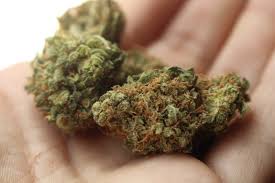
The cannabidiol (CBD) market isn’t just growing – it’s fracturing into distinct camps. Full spectrum vs isolate formulations now represent a strategic choice that defines your brand positioning, customer base, and profit margins. With the CBD supplement market projected to reach $25 billion by 2035 and federal rescheduling of cannabis to Schedule III eliminating tax penalties, brands face a critical decision point.
This isn’t about consumer preference anymore. The formulation you choose determines which shelf you occupy and which customers walk past. Full spectrum products command premium pricing with their entourage effect claims and complete cannabinoid profiles, including trace THC content. Isolates deliver pure CBD potency without regulatory complications or drug test concerns. Broad spectrum attempts to split the difference.
Recent market shifts reveal where brands are placing their bets. Major producers now prioritize full-spectrum products over low-margin isolates, with hash rosin capturing 16.3% market share in early 2026. Meanwhile, medical cannabis revenue expectations exceed $269 million as companies abandon commodity isolate plays for differentiated formulations.
The regulatory landscape shifted dramatically when the announced rescheduling intent will remove IRC Section 280E restrictions, allowing cannabis businesses full tax deductions for operating expenses. Over 100 state bills now regulate THC caps, labeling standards, and third-party testing requirements. Your formulation strategy must account for these compliance frameworks while addressing consumer concerns about THC detection and COA certificate transparency.
Brands that treat full spectrum vs isolate as a simple ingredient choice miss the larger picture. This decision shapes your entire go-to-market strategy, from pricing architecture to marketing claims to distribution channels. The winners in 2026 understand that formulation selection is brand strategy.
What Makes a Cannabis Product Full Spectrum?
Full spectrum CBD is a formulation that retains all naturally occurring cannabinoids, terpenes, flavonoids, and trace THC from hemp. Unlike isolates that strip away everything except pure CBD, full spectrum products preserve the plant’s complete chemical fingerprint. This distinction matters because those additional compounds work together through what researchers call the entourage effect – the synergistic interaction between cannabinoids, terpenes vs cannabinoids, and flavonoids that enhances therapeutic benefits.
The science backs this approach. A 2015 study published in Pharmacology & Pharmacy demonstrated that full-spectrum CBD extract produced stronger anti-inflammatory effects than CBD isolate, suggesting the whole plant delivers more than the sum of its parts. Brands building products around this principle bet on complexity over purity.
THC content defines the legal boundaries. Federal hemp law currently limits hemp to 0.3% delta-9 THC on a dry-weight basis under the 2018 Farm Bill. That changes November 12, 2026, when the FY2026 Agriculture Appropriations Act redefines the limit to 0.3% total THC including THCA. More significantly, the new law caps final hemp-derived cannabinoid products at 0.4mg total THC per container – a restriction that forces brands to recalculate serving sizes and product formats.
Full spectrum formulations walk a regulatory tightrope. You maintain enough THC to preserve the entourage effect while staying compliant with evolving federal standards. That 0.3% threshold isn’t negotiable, and the upcoming shift to total THC measurement means your current formulation might not pass 2026 testing requirements. Brands that ignore these parameters risk pulling products from shelves or reformulating under pressure.
Breaking Down the Three Formulation Types: Full Spectrum vs Broad Spectrum vs Isolate
Cannabidiol (CBD) formulations fall into three distinct categories based on their cannabinoid composition and processing methodology. Full spectrum contains all plant compounds including trace THC, broad spectrum includes multiple cannabinoids but removes THC entirely, and isolate delivers pure CBD at 99% or higher purity. Each formulation type creates different strategic opportunities for cannabis brands targeting specific customer segments in 2026.
The choice between full spectrum vs broad spectrum vs isolate determines your product’s therapeutic potential, legal risk profile, and market positioning. Scientific studies demonstrate full spectrum CBD delivers stronger effects for pain, inflammation, and anxiety compared to isolate formulations. That performance gap exists because full spectrum preserves the cannabis terpenes and minor cannabinoids that amplify CBD’s effects through entourage interactions.
Formulation Type | THC Content | Cannabinoid Profile | Primary Advantage | Key Limitation Full Spectrum | Up to 0.3% delta-9 THC | All naturally occurring cannabinoids, terpenes, flavonoids | Maximum entourage effect and therapeutic potency | THC detection risk; stricter regulatory compliance Broad Spectrum | 0% THC (non-detectable) | Multiple cannabinoids and terpenes, THC removed | Entourage benefits without THC concerns | Additional processing increases production costs CBD Isolate | 0% THC | Pure CBD only (99%+ purity) | Predictable dosing; lowest regulatory risk; no hemp taste | No entourage effect; reduced therapeutic range
Broad spectrum CBD bridges the gap between full spectrum’s potency and isolate’s safety profile. You extract THC after initial processing while preserving other beneficial compounds. This approach appeals to brands serving customers who face drug testing or live in states with zero-tolerance THC policies. The tradeoff shows up in manufacturing complexity – broad spectrum requires additional chromatography steps that increase production costs by 15-30% compared to full spectrum extraction.
CBD isolate targets price-sensitive markets and formulations requiring precise cannabinoid control. At 99% purity, isolate offers consistent dosing without variables from minor cannabinoids or terpenes. Brands building beverages, edibles, or topicals often prefer isolate because it won’t alter product flavor profiles or introduce batch-to-batch variation. The downside hits therapeutic applications where research shows isolated CBD performs weaker than whole-plant extracts.
Third-party testing validates every claim you make about formulation type. Your Certificate of Analysis (COA) must confirm cannabinoid percentages, verify THC compliance, and screen for contaminants. California’s AB 45 now mandates product labels link directly to COA documentation, while New Jersey requires COAs as consumer-facing documents listing all cannabinoids and testing parameters. Brands that skip rigorous testing risk regulatory action and customer trust erosion.
Entour develops cannabis formulations using True To Plant® technology that replicates specific cultivar profiles across all three formulation types. The strategy recognizes different applications demand different cannabinoid compositions – full spectrum for maximum therapeutic impact, broad spectrum for THC-sensitive markets, and isolate for precise formulation control.
Is Full Spectrum Better Than Isolate?
Full spectrum delivers superior therapeutic outcomes for anxiety and pain management, while isolate wins for professional athletes, corporate employees facing drug screening, and brands requiring flavor-neutral formulations. Neither formulation type universally outperforms the other – your choice depends entirely on target customer needs and regulatory constraints.
A 2020 medical review found full spectrum CBD shows significant promise for treating generalized anxiety disorder and social anxiety disorder, with doses of 300-400 mg daily proving most effective. The entourage effect drives this performance advantage. When you preserve all plant compounds including minor cannabinoids and terpenes, they work synergistically to amplify therapeutic benefits beyond what isolated CBD achieves alone.
Isolate dominates markets where THC detection creates career or legal risks. The World Anti-Doping Agency permits CBD use in competitive sports but maintains THC prohibition during competition periods. Professional athletes consistently choose isolate or broad spectrum formulations to avoid trace THC that could trigger positive tests. The same logic applies to healthcare workers, truck drivers, military personnel, and anyone subject to zero-tolerance drug policies.
CBD potency measurements reveal another critical difference. Full spectrum products typically contain 50-80% CBD alongside other cannabinoids, while isolate delivers 99%+ pure CBD. That concentration difference misleads many brands – higher percentage doesn’t guarantee better results. Research demonstrates lower doses of full spectrum CBD often match or exceed the therapeutic impact of higher isolate doses due to compound interactions.
Product application determines which formulation serves you best. Beverages and food products favor isolate because it won’t introduce hemp flavor or cause batch variation from terpene content. Tinctures and capsules targeting therapeutic outcomes perform better with full spectrum formulations. Topical applications benefit fromterpene selection that enhances skin penetration and localized effects.
Your customer demographics should drive formulation strategy. Wellness-focused consumers seeking maximum therapeutic benefits gravitate toward full spectrum products despite trace THC content. Privacy-conscious professionals and parents worried about drug testing choose isolate exclusively. Brands serving both segments need product lines spanning multiple formulation types rather than picking a single approach.
The answer to full spectrum vs isolate CBD isn’t which formulation wins overall – it’s which formulation wins for your specific market position and customer base. Match your formulation strategy to documented customer concerns about THC detection, therapeutic goals, and terpene applications that define your product’s intended effects.
2026 Market Trends: Which Formulation Is Winning Consumer Preference?
Full spectrum formulations are capturing the premium market segment while isolate dominates professional and senior demographics, creating a bifurcated market where formulation choice directly correlates with customer age and employment risk factors. The global Cannabidiol (CBD) market reached $11.64 billion in 2026, with hemp-derived products capturing 55.12% of 2025 revenue as consumer preferences crystallize around specific formulation types.
1. Premium Product Buyers Choose Full Spectrum
The premium tier drives 62.8% of CBD skincare revenue in 2026, signaling that consumers willing to pay higher prices gravitate toward full spectrum formulations. This demographic prioritizes therapeutic outcomes over THC concerns, viewing the entourage effect as worth the premium pricing. Brands targeting wellness-focused customers with disposable income should build product lines around full spectrum CBD to capture this high-value segment.
2. Seniors and Professionals Fuel Isolate Growth
Seniors represent the primary market for CBD isolate due to zero THC preference, while professionals in safety-sensitive occupations choose isolate formulations to avoid workplace drug testing complications. This demographic shift explains why isolate maintains strong market position despite full spectrum’s therapeutic advantages. Your formulation strategy must account for employment screening policies that drive isolate demand regardless of efficacy comparisons. Brands developing focus-oriented wellness products for professional demographics may also find value in exploring research onterpenes and ADHD, where specific terpene profiles show relevance for cognitive performance without THC exposure concerns.
3. Regional Concentration Shapes Distribution Strategy
North America held 46.55% of global CBD revenue in 2025, with retail stores accounting for 46.02% of sales despite e-commerce growth at 21.86% compound annual growth rate (CAGR). This geographic concentration means US brands face intensifying competition for shelf space, making formulation differentiation critical. Brands serving latest market trends need clear positioning on whether they’re targeting premium full spectrum buyers or risk-averse isolate consumers.
4. CBD-Dominant Products Accelerate Faster Than THC Blends
CBD-dominant products grew 45% year-over-year in Ontario, outpacing balanced THC formulations as consumers prioritize functional benefits over psychoactive effects. This trend validates broad spectrum as a compromise formulation – you preserve some entourage effect while eliminating THC detection risks. Brands launching in 2026 should consider broad spectrum as their primary offering to capture both market segments simultaneously.
The formulation winning consumer preference in 2026 isn’t universal – it’s segmented by demographics, risk tolerance, and price sensitivity. Match your product development to specific customer profiles rather than chasing overall market share.
Manufacturing and Cost Considerations for Cannabis Brands
Full spectrum production costs less per kilogram than isolate despite requiring more complex sourcing, creating a counterintuitive pricing advantage that directly impacts your margin strategy. Canadian wholesale data from 2025 shows CBD isolate averaged $1,967 per kilogram while CBD distillate (full spectrum) cost only $1,064 per kilogram – nearly half the price for raw material.
This cost inversion stems from manufacturing complexity. Isolate requires additional purification steps to achieve 99%+ pure Cannabidiol (CBD), removing all terpenes and cannabinoids through isolation processes that add equipment time and labor. Full spectrum cannabis extract stops earlier in the refinement chain, preserving the complete cannabinoid and terpene profile with fewer processing stages. Your production timeline shortens and equipment utilization improves when you skip the isolation phase.
CO2 extraction equipment represents the primary capital barrier regardless of formulation choice. Production-scale supercritical CO2 systems cost $100,000 to $500,000 depending on throughput capacity, with each extraction cycle consuming 15-25 kilowatts of electricity. These energy costs compound at scale – facilities report 60-80% electricity expense reductions when switching to solar, making renewable energy integration critical for competitive CBD potency pricing.
Scaling economics favor full spectrum formulations for emerging brands. You achieve faster time-to-market with fewer purification steps, lower per-unit production costs, and premium pricing justification through entourage effect marketing. Isolate makes financial sense when targeting the zero-THC market segment willing to absorb higher wholesale costs, or when federal THC limit compliance creates legal risk that outweighs margin considerations.
Wholesale cannabis extract prices dropped 90% from market peaks to $1,000 per kilogram or less in mature US markets, compressing margins across all formulation types. Your cost advantage comes from case studies showing efficient extraction protocols andmyrcene and terpene preservation techniques that maximize yield per biomass input. Brands that optimize extraction efficiency today position themselves to survive the ongoing price compression as the projected $40.41 billion US market by 2034 attracts new competitors fighting for margin.
Marketing Compliance and Claims: Which Formulation Is Easier to Sell?
CBD isolate products avoid the compliance nightmare that kills full spectrum marketing campaigns before they launch. Federal law maintains the 0.3% THC dry weight threshold, but enforcement tightened dramatically in 2025 – 74% of hemp edibles failed potency tests or contained unlisted ingredients, making them illegal to sell. Full spectrum formulations dance on this regulatory edge every batch, requiring constant third-party testing to verify THC content stays below the federal limit.
Your marketing claims face stricter scrutiny with full spectrum products. The FDA prohibits therapeutic claims for CBD without approval, but full spectrum brands face additional challenges messaging the entourage effect without triggering drug claim violations. Isolate’s zero-THC positioning lets you sidestep consumer concerns about workplace drug testing and legal ambiguity, simplifying your compliance documentation and reducing legal review costs for every product label and advertisement.
COA certificate transparency became mandatory for distribution in 2026, with valid certificates requiring QR code verification, full panel testing for 60+ pesticides, and batch-specific results. Full spectrum products need more comprehensive testing panels to track multiple cannabinoids and verify THC levels. Only 25% of tested hemp products showed accurate THC amounts matching their labels, creating liability exposure that isolate formulations minimize through predictable composition. Partnering with thebest terpene company ensures your formulations come with the analytical documentation and compliance frameworks that modern distribution demands.
Activity in December of 2025 capped total intoxicating cannabinoids at 0.4mg per container, forcing full spectrum brands to reformulate products or reduce serving sizes. Isolate brands can continue marketing unchanged. Your claim restrictions expand with full spectrum – you can’t guarantee zero THC detection on drug tests, can’t market to THC-sensitive demographics, and face state-by-state compliance variations that isolate clean composition bypasses.
Entour provides regulatory documentation for all formulations. Your isolate-based products require fewer compliance updates and legal reviews. Your marketing budget stretches further when you’re not constantly revising claims to match evolving cannabinoid testing standards.
5 Strategic Questions to Choose the Right Formulation for Your Brand
Your formulation choice determines manufacturing costs, compliance burden, and market positioning before you sell a single unit. These five strategic questions translate market data into actionable brand decisions.
1. Who Is Your Target Customer?
Wellness-focused consumers seeking natural products gravitate toward full spectrum formulations for the entourage effect, while THC-sensitive demographics – athletes, healthcare workers, and legal professionals – demand isolate’s zero-THC guarantee. Your customer’s drug testing exposure dictates formulation selection more than any other factor, as full spectrum products can’t promise clean test results despite staying under the 0.3% THC threshold.
2. What Price Point Can Your Market Support?
Full spectrum CBD tinctures retail at $0.03-$0.05 per milligram, while CBD isolate oils command $0.04-$0.08 per milligram at consumer pricing. Bulk CBD isolate powder costs approximately $0.0065 per milligram, giving isolate-based brands higher profit margins when you control manufacturing. Your pricing strategy must account for full spectrum’s 40-60% higher testing costs while competing against isolate’s cleaner margins.
3. How Will Regulatory Changes Impact Your Operations?
Federal hemp regulations banned intoxicating products starting November 2026, but the FDA missed its February 12, 2026 deadline to clarify which cannabinoids face restrictions. Full spectrum brands reformulate products quarterly to match evolving compliance standards, while isolate formulations remain stable across regulatory shifts. Your legal budget grows exponentially with full spectrum’s compliance complexity.
4. What Distribution Channels Do You Target?
Retailers increasingly demand COA certificates with QR code verification and full panel testing for 60+ pesticides. Full spectrum products require comprehensive cannabinoid testing across multiple compounds, creating distribution bottlenecks that isolate’s predictable composition avoids. Your time-to-market depends on testing turnaround speed.
5. How Important Is Product Consistency?
Batch-to-batch variation plagues full spectrum manufacturing as cannabinoid ratios shift with raw material sourcing. Isolate delivers identical CBD potency every production run, simplifying quality control and reducing customer complaints. Entour’s Native® Citrus Terpene Blend demonstrates how precision formulation creates consistent experiences regardless of base cannabinoid selection.
The Winning Formulation Depends on Your Brand’s Vision
Neither full spectrum nor CBD isolate wins universally – your formulation choice depends on customer demographics, regulatory tolerance, and profit margin targets. Cannabis brands succeed by matching formulation strategy to market positioning rather than chasing abstract quality claims.
Full spectrum formulations deliver the entourage effect that wellness consumers demand, but require continuous compliance monitoring and accept THC content risks. Isolate-based products sacrifice compound synergy for predictable manufacturing, clean drug tests, and stable regulatory profiles. Broad spectrum splits the difference, offering multiple cannabinoids without THC’s legal complications.
Your brand’s vision determines which trade-offs matter most. Premium wellness brands targeting educated consumers justify full spectrum’s higher testing costs and compliance burden. Mass-market retailers serving THC-sensitive demographics build sustainable businesses on isolate’s consistency and legal simplicity.
Formulation excellence extends beyond choosing between full spectrum and isolate. Entour uses True To Plant technology to replicate specific cultivar profiles across any cannabinoid base, delivering consistent experiences whether you select full spectrum, broad spectrum, or isolate formulations. The technology analyzes over 200 compounds to recreate authentic terpene profiles that define product differentiation.
Choose your formulation based on strategic positioning, then optimize execution through precision manufacturing. Your brand’s success depends on matching cannabinoid selection to customer expectations, not following industry trends.