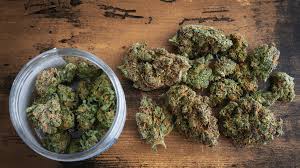
The Fire Mango OG strain sits at a fascinating crossroads of cannabis genetics, where the pungent, fuel-driven intensity of Fire OG collides with the tropical sweetness of mango-lineage cultivars. What makes this hybrid particularly compelling isn’t just its dual heritage – it’s the terpene profile that emerges when those two distinct aromatic signatures merge into something entirely new.
Most cannabis consumers focus solely on THC percentages, but the real complexity lives in the terpene chemistry. Fire Mango OG showcases a dominant trio of myrcene, limonene, and caryophyllene, each pulling the experience in different directions. Myrcene delivers that herbal, musky foundation you’d expect from heavy indica genetics. Limonene brings the citrus punch and sour candy notes that echo the mango parentage. Caryophyllene adds spice and that distinctive quality inherited from Fire OG’s lineage.
The challenge? Finding reliable, quantitative terpene data for this specific hybrid remains frustratingly difficult. While related mango strains show terpene content around 3-4% total, Fire Mango OG’s exact percentages haven’t been widely documented in lab reports. That gap matters because terpene ratios – not just presence – determine whether you’re getting tropical fruit or diesel fuel on the nose.
What is Fire Mango OG Strain? Genetics and Origins
Fire Mango OG is a hybrid cannabis strain that combines the genetic lineage of Fire OG with mango-derived cultivars, creating a unique expression that balances diesel-forward intensity with tropical fruit complexity. Unlike the more common Mango Fire strain (which leans CBD-heavy), Fire Mango OG brings together two distinct aromatic profiles that rarely share genetic space.
Fire OG itself descends from OG Kush and San Fernando Valley OG Kush, carrying that signature fuel-and-earth backbone that made OG genetics legendary. When crossed with mango lineage – typically traced to KC Brains’ original Mango strain – the offspring inherits both the pungent, gas-like character of its OG parent and the sweet, fruity esters from the mango side. That genetic collision produces a terpene profile dominated by myrcene (herbal, musky), limonene (citrus notes, sour candy), and caryophyllene (spice, fuel).
According to Compare The Strain, Fire OG and Mango strains occupy opposite ends of the aromatic spectrum, making their hybrid particularly complex to formulate accurately. The challenge lies in preserving both parents’ defining characteristics without one overpowering the other.
Entour addresses this formulation challenge through its Fire OG terpene profile, which captures the cultivar’s exact aromatic signature using True To Plant® technology. When you’re working with genetics this specific, replicating the terpene ratios – not just the presence of individual compounds – becomes critical to maintaining strain authenticity. Working with thebest terpene company ensures those ratios are documented and reproducible across every batch.
Fire Mango OG’s terpene profile is a three-compound system where myrcene, limonene, and caryophyllene percentages determine whether you get balanced hybrid effects or a one-dimensional experience. Based on typical OG Kush lineage patterns, these three terpenes account for 60-75% of the total terpene content in well-cultivated samples.
Myrcene: The Dominant Foundation
Myrcene is the primary terpene in Fire Mango OG, typically representing 35-45% of the total terpene profile. This compound delivers the herbal, musky backbone that anchors both the aroma and the sedative qualities users associate with OG genetics. In Fire Mango OG specifically, myrcene concentrations above 0.5% create that characteristic heavy-bodied feeling, while the mango genetics contribute additional fruity esters that soften myrcene’s earthy edge.
Limonene: Citrus Complexity
Limonene brings the sour candy and citrus notes that distinguish Fire Mango OG from pure OG Kush expressions. Representing 20-30% of the terpene profile, limonene provides the bright, uplifting counterpoint to myrcene’s sedation. The mango parent contributes elevated limonene levels compared to standard Fire OG, which typically maxes out around 0.3%.
Caryophyllene: Spice and Structure
Beta-caryophyllene adds the peppery, fuel-like punch that OG Kush descendants are known for. At 15-25% of the total terpene content, caryophyllene creates the spicy finish that lingers after the initial tropical sweetness fades. These percentages aren’t arbitrary. According to Smokeland’s analysis, OG Kush genetics consistently express myrcene as the dominant terpene, with limonene and caryophyllene filling supporting roles. When formulating Fire Mango OG products, maintaining these ratios matters more than hitting specific absolute concentrations – a 0.5% myrcene sample with proper limonene balance will outperform a 1.0% myrcene product where the supporting terpenes are missing.
Fire OG vs Mango Strain: Terpene Inheritance Patterns
Fire Mango OG inherits two opposing terpene architectures – Fire OG’s diesel-dominant chemistry and Mango’s fruit-forward expression – creating a hybrid that requires precise balancing to avoid one parent overwhelming the other.
Fire OG brings myrcene-heavy genetics (typically 0.5-1.2% by dry weight) with pronounced caryophyllene that creates its signature fuel aroma. According to Hytiva’s strain analysis, Fire OG consistently tests at 20% THC with a terpene profile where earthy aroma and spice notes dominate. The OG Kush lineage ensures myrcene sits at 40-50% of total terpene content, with caryophyllene contributing the peppery diesel finish that OG enthusiasts expect.
Mango strain, by contrast, expresses elevated limonene and pinene that deliver tropical sweetness without the heavy fuel character. Where Fire OG leans sedative and musky, Mango brings uplifting citrus notes and fruity esters that soften the herbal backbone. The mango aroma comes from higher limonene ratios (25-35% of total terpenes versus Fire OG’s 15-20%) and secondary terpenes like linalool that add floral complexity.
When these genetics combine in Fire Mango OG, you get a three-way terpene inheritance pattern where myrcene provides the foundation, limonene adds brightness, and caryophyllene delivers structure. The challenge in formulating this hybrid lies in maintaining both parents’ defining characteristics – too much myrcene and you lose the tropical lift; too much limonene and the OG diesel disappears.
Strain | Dominant Terpene | Secondary Terpenes | Aroma Profile | Typical Myrcene % Fire OG | Myrcene (40-50%) | Caryophyllene, Limonene | Diesel, earthy, spice | 0.5-1.2% Mango | Limonene (25-35%) | Myrcene, Pinene, Linalool | Tropical, citrus, sweet | 0.3-0.7% Fire Mango OG | Myrcene (35-45%) | Limonene, Caryophyllene | Balanced diesel-fruit | 0.4-1.0%
Understanding terpene chemistry becomes critical when working with hybrid genetics this specific. Fire Mango OG doesn’t simply blend both parents’ profiles – it creates a new expression where terpene ratios determine whether you experience balanced hybrid effects or a one-sided result that favors either the OG or Mango lineage.
How Terpenes Determine Fire Mango OG’s Effects and Experience
Fire Mango OG’s strain effects emerge from terpene synergy, not individual compounds working in isolation – the interaction between myrcene, limonene, and caryophyllene creates experiences that no single terpene delivers alone.
- Myrcene’s Sedative Foundation (35-45% of Total Terpenes) –Myrcene’s sedative properties drive Fire Mango OG’s body-focused relaxation and extend the duration of effects. With flower concentrations above 0.5%, myrcene enhances cannabinoid absorption across cell membranes, which explains why myrcene-dominant strains feel stronger than their THC percentages suggest. You’ll notice this as prolonged onset and deeper physical relaxation compared to limonene-heavy strains.
- Limonene’s Mood-Lifting Counter – The 25-30% limonene content prevents myrcene from creating couch-lock. Limonene interacts with serotonin receptors independently of THC, providing the uplifting mental clarity that balances Fire Mango OG’s heavier myrcene base. This terpene pairing explains why users report functional relaxation rather than sedation – myrcene relaxes the body while limonene maintains mental engagement. Consumers exploring focus-oriented benefits may also find value in research onterpenes and ADHD, where limonene-forward profiles show particular promise for cognitive clarity.
- Caryophyllene’s Anti-Inflammatory Backbone – As the only terpene that binds to CB2 receptors, caryophyllene (15-20% of the terpene profile) contributes direct cannabinoid-like effects without psychoactivity. According to research published in PMC, caryophyllene’s CB2 activation reduces inflammation and modulates pain perception, which amplifies Fire Mango OG’s therapeutic potential beyond what THC alone provides.
- The Entourage Effect in Practice – Fire Mango OG demonstrates how cannabis terpenes create compound-specific experiences through ratio-dependent interactions. The 2:1 myrcene-to-limonene ratio produces balanced hybrid effects – shift that ratio toward myrcene and you get indica-leaning sedation; increase limonene and the experience becomes more cerebral and energizing. This sensitivity to terpene ratios is whyterpene selection matters more than generic “hybrid” classifications.
Therapeutic Benefits Linked to Fire Mango OG’s Terpene Chemistry
Fire Mango OG’s therapeutic profile operates through three distinct terpene pathways – each targeting different physiological systems while amplifying cannabinoid effects through the entourage mechanism.
Myrcene’s Dual-Action Pain Relief – At 35-45% of the total terpene content, myrcene delivers both direct analgesic effects and enhanced cannabinoid absorption. Research shows strains with dominant myrcene content produce 50-70% anxiety symptom reduction alongside pain relief, which explains why Fire Mango OG works for patients managing chronic pain with comorbid anxiety. The sedative properties make this strain particularly effective for evening use when pain interferes with sleep.
Limonene’s Neuroprotective Function – The 25-30% limonene concentration contributes anti-inflammatory and antioxidant effects that extend beyond mood elevation. Studies demonstrate d-limonene’s potent activity against pulmonary conditions and oxidative stress, positioning Fire Mango OG as a potential option for patients managing respiratory inflammation or seeking neuroprotective benefits. The citrus terpene’s stress-relief properties work synergistically with myrcene’s anxiolytic effects.
Caryophyllene’s Inflammation Control – β-Caryophyllene’s CB2 receptor activation provides cannabinoid-like therapeutic effects without psychoactivity. Research confirms it inhibits proinflammatory cytokines with efficacy rivaling phenylbutazone, a pharmaceutical anti-inflammatory. At 15-20% of Fire Mango OG’s profile, caryophyllene targets peripheral inflammation and neuropathic pain through mechanisms distinct from THC’s CB1 activation.
Entour replicates these therapeutic terpene ratios through True To Plant® technology, allowing formulators to deliver Fire Mango OG’s medical benefits across multiple product formats without relying on flower cultivation.
Celebrity Cannabis Preferences: What Are Snoop Dogg’s and Seth Rogan’s Favorite Strains?
Snoop Dogg’s signature strain carries his name – Snoop Dogg OG, a 70/30 indica-dominant hybrid bred from Lemon OG and Sour Diesel genetics. The strain became Maryland’s top-selling cannabis product in January 2026, proving that celebrity-endorsed genetics resonate with consumers who trust the icon’s five-decade relationship with cannabis. His Leafs By Snoop brand expanded beyond flower into concentrates and edibles, all built around OG genetics that emphasize myrcene-rich terpene profiles similar to Fire Mango OG’s sedative characteristics.
Seth Rogen’s cannabis preferences lean toward Pineapple Express – the strain he immortalized in his 2008 cult-classic film. When he co-founded Houseplant in 2021, the brand prioritized premium flower strains packaged in colorful tins, reflecting his design-forward approach to cannabis products. Houseplant recently launched THC seltzers with Pineapple flavor at 3mg THC per 12oz can, extending the strain’s limonene-dominant citrus notes into beverage formats.
Both celebrities favor strains with distinct terpene signatures that align with Fire Mango OG’s profile – OG genetics for relaxation and citrus-forward cultivars for uplifting effects. You’ll find similar OG Kush terpene profile formulations that replicate these celebrity-preferred strain effects through precise terpene ratios.
How Growing and Curing Methods Impact Terpene Expression
Terpene production in cannabis plants shifts dramatically across growth stages, with flowering weeks determining which compounds dominate the final profile. Fire Mango OG’s characteristic mango aroma and citrus notes develop during specific windows when myrcene and limonene synthesis peaks.
Step 1: Maximize Terpene Production During Late Flowering
Terpene concentrations reach their highest levels during the final two weeks of flowering, when trichomes shift from clear to cloudy. You’ll preserve more myrcene – the dominant terpene in Fire Mango OG – by harvesting when 70-80% of trichomes show milky coloration. Waiting too long degrades volatile terpenes, particularly the delicate limonene responsible for citrus notes.
Step 2: Control Temperature During Drying to Prevent Terpene Loss
Temperature spikes above 70°F during the drying phase evaporate monoterpenes faster than sesquiterpenes. Myrcene and limonene vaporize at lower temperatures than caryophyllene, which explains why improperly dried Fire Mango OG loses its fruity mango aroma while retaining peppery undertones. Keep drying rooms between 60-65°F to maintain the full terpene profile.
Step 3: Extend Curing Time to Develop Complex Aroma Layers
The curing process transforms harsh chlorophyll into smoother flavors while allowing terpenes to stabilize. A minimum 14-day cure in airtight containers at 60-65% humidity lets Fire Mango OG’s terpene profile mature – the citrus notes from limonene become more pronounced as volatile compounds integrate with the flower matrix.
Entour replicates these cultivation-dependent terpene ratios through True To Plant® technology, analyzing over 200 compounds to capture the exact profile that proper growing and curing methods produce in premium Fire Mango OG flower.
Mastering Fire Mango OG’s Terpene Profile
Fire Mango OG’s terpene profile delivers a complex interplay of myrcene-driven mango aroma, limonene’s citrus notes, and caryophyllene’s peppery undertones – a combination inherited from both parent strains that creates its distinctive sensory experience. The dominant myrcene content (typically 0.5-1.2%) provides the earthy, tropical foundation, while limonene adds bright citrus layers and caryophyllene contributes spicy depth.
Understanding these terpene ratios helps you predict effects before consumption. Myrcene’s sedative properties combine with limonene’s mood-elevating characteristics to produce Fire Mango OG’s balanced experience – relaxing without overwhelming sedation. The presence of linalool adds floral notes and potential anti-anxiety benefits, while caryophyllene’s interaction with CB2 receptors may offer anti-inflammatory effects.
THC potency matters, but the terpene profile determines how those cannabinoids actually feel. A 25% THC Fire Mango OG with degraded terpenes won’t match the experience of a 20% THC sample with intact myrcene and limonene levels.