
The Aromatic Revolution: Understanding Terpene Applications in 2026
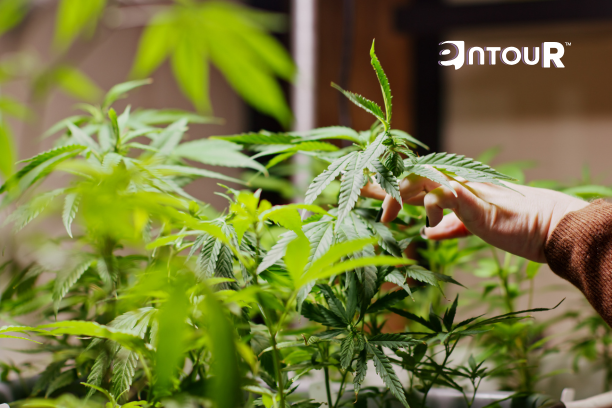
Terpenes now shape everything from skincare and flavored beverages to cannabis formulations through their interaction with the endocannabinoid system and precise terpene selection. As research advances in 2026, these aromatic compounds are redefining how natural ingredients drive flavor, function, and wellness across industries.
The Truth About Terpenes and Your High
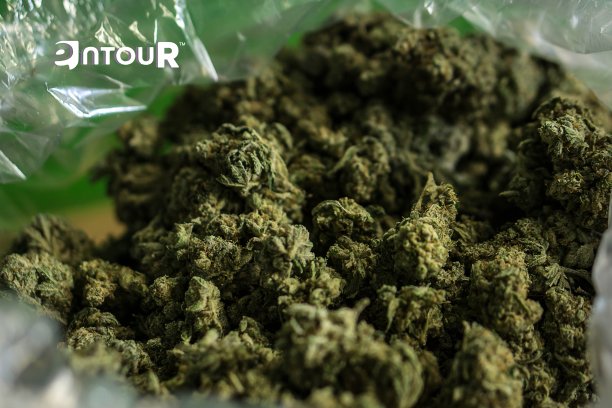
Here’s what catches most people off guard: do terpenes get you high? No, not on their own. These aromatic compounds found in cannabis, lavender, and citrus don’t produce intoxicating effects the way Tetrahydrocannabinol (THC) does. But dismissing them as simple fragrance molecules misses the bigger picture. Terpenes act more like effect modulators than standalone psychoactive […]
Why Terpenes Are Transforming Natural Pain Management
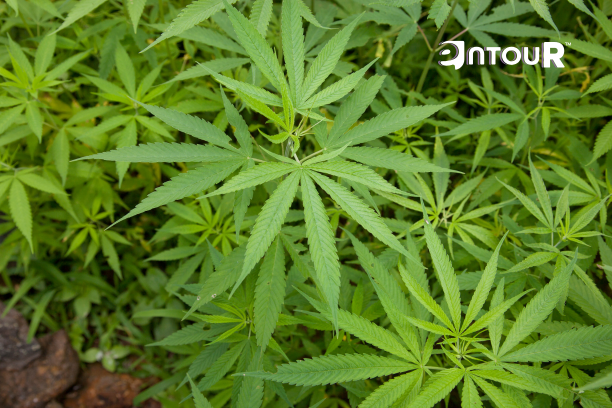
Terpenes are reshaping natural pain management by interacting with inflammation, nerve signaling, and the endocannabinoid system. Research into terpene selection shows these plant compounds can support targeted pain relief when used with proper dilution and safety protocols.
Why Terpenes Are Gaining Attention for ADHD Management

Terpenes are gaining attention for ADHD support because they interact with neurotransmitter systems tied to focus, mood, and emotional regulation. Research into terpene selection and the endocannabinoid system suggests these plant compounds may help build personalized focus and calm blends naturally.
Why Terpenes Are the Secret to Superior Relaxation Formulations
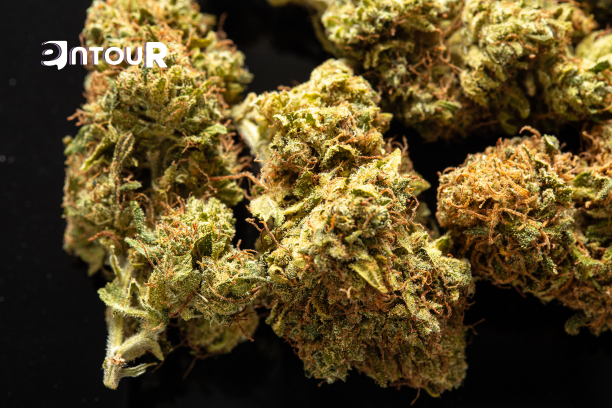
Terpenes play a critical role in relaxation formulations by activating key cannabinoid and GABA pathways. Learn how precise terpene ratios unlock consistent calming effects through the entourage effect.
The High-Stakes World of Online Terpene Shopping
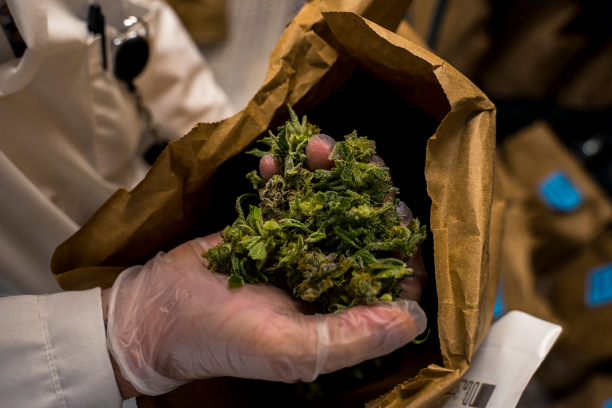
Buying terpenes online is high-risk without the right knowledge. This guide shows how to verify quality, legality, and supplier transparency before you invest.
Unlocking Mental Performance with Cannabis Terpenes
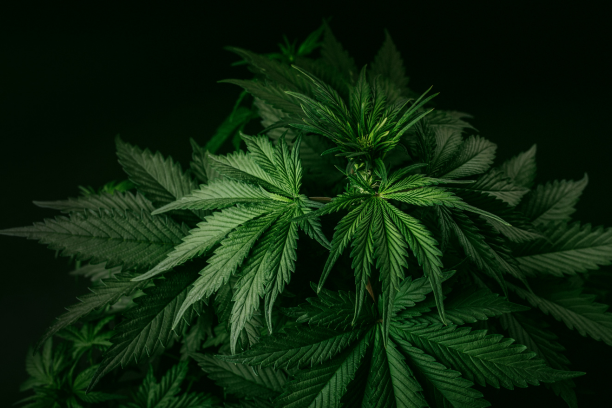
Cannabis terpenes are emerging as powerful tools for focus, energy, and mental clarity. Learn which terpene profiles boost productivity and how to choose the right blend for daytime performance.
Why Terpene Selection Makes or Breaks Your Cartridge
Terpene selection determines how your vape cartridge tastes, hits, and performs over time. Learn how proper terpene ratios impact flavor, stability, and shelf life.
Why Terpenes Are Gaining Ground as Natural Anxiety Solutions
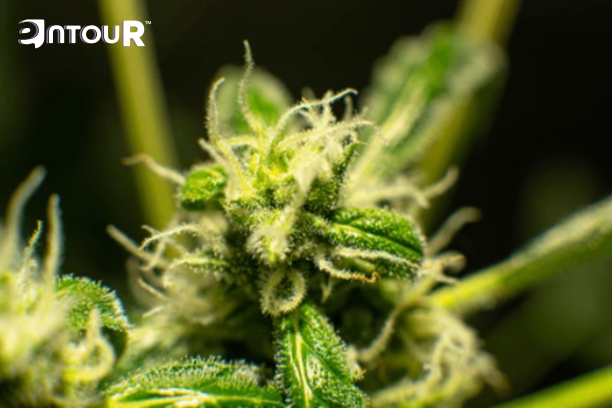
Terpenes are emerging as powerful natural tools for anxiety relief. Learn how terpene chemistry, the entourage effect, and targeted formulations support calm without sedation.
Alpha-bisabolol: the calming terpene for cannabis products
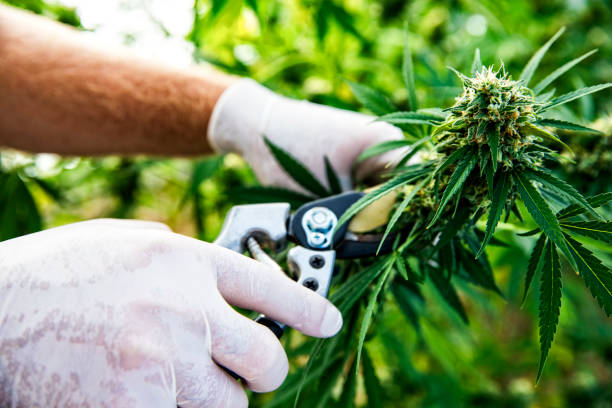
When you think about cannabis compounds that promote relaxation, cannabidiol (CBD) and specific terpenes for anxiety likely come to mind first. Yet alpha-bisabolol, a sesquiterpene found consistently in Cannabis sativa at concentrations exceeding 100 micrograms, deserves equal attention for its remarkable calming properties.
Beta-pinene terpene effects: the complete guide for 2026

Beta-Pinene stands apart from its alpha isomer through distinct chemical behavior and therapeutic potential that researchers are only beginning to understand. Recent 2025 studies reveal this compound acts as a partial agonist on CB1 and CB2 cannabinoid receptors, opening new pathways for cannabis wellness applications without psychoactive effects.
Best terpene company for cannabis brands in 2026
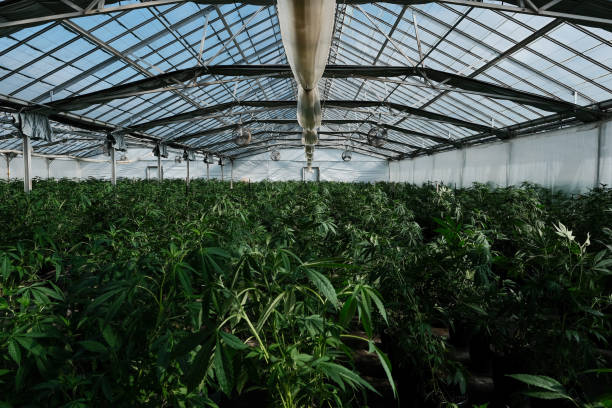
Your cannabis brand’s reputation lives or dies on product consistency. When your vape cartridge delivers different aromas batch-to-batch, or your edible formulation shifts flavor profiles unexpectedly, customers notice immediately. The root cause often traces back to a single decision: your terpene supplier.
What beta-caryophyllene effects mean for cannabis brands
Cannabis brands face intense pressure to differentiate products in an increasingly crowded market. While most companies focus exclusively on Cannabidiol (CBD) and Tetrahydrocannabinol (THC) content, forward-thinking brands recognize that beta-caryophyllene terpene effects offer a powerful competitive advantage. This spicy, peppery compound does something no other terpene can: it directly activates CB2 receptors in the endocannabinoid system, functioning as a dietary cannabinoid without psychoactive properties.
What Beta-Caryophyllene Does for Cannabis Formulations
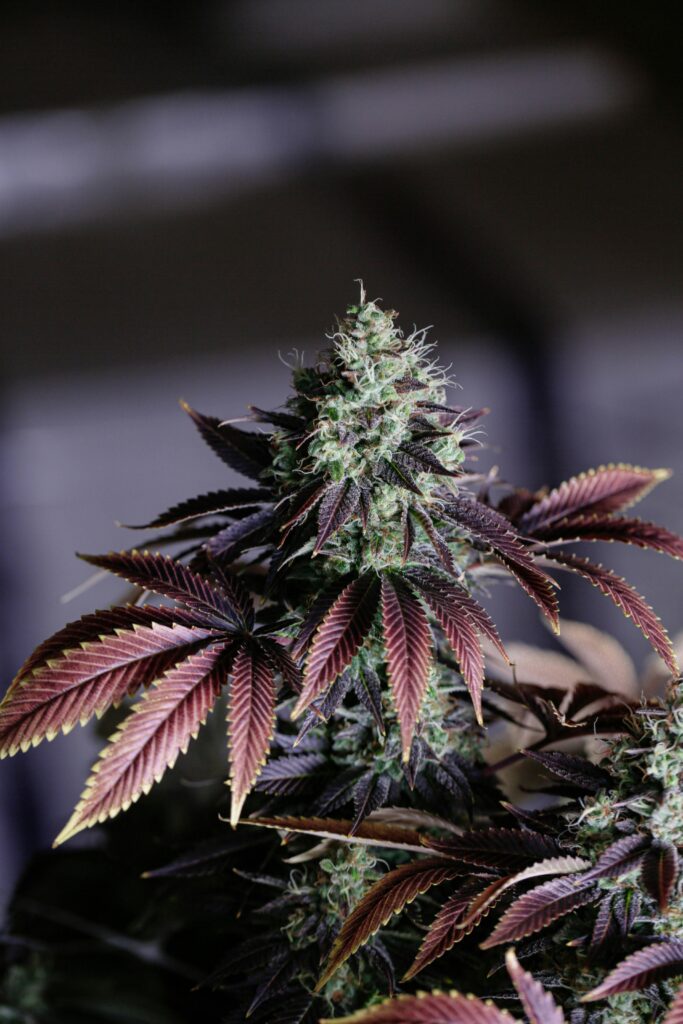
Beta-caryophyllene (BCP) holds a unique position in cannabis formulations because it functions as both an aromatic terpene and a cannabinoid receptor agonist. Unlike most terpenes that primarily provide aroma or subtle modulation, beta-caryophyllene directly activates CB2 receptors throughout the endocannabinoid system without psychoactive effects.
What is caryophyllene: your complete guide for brands
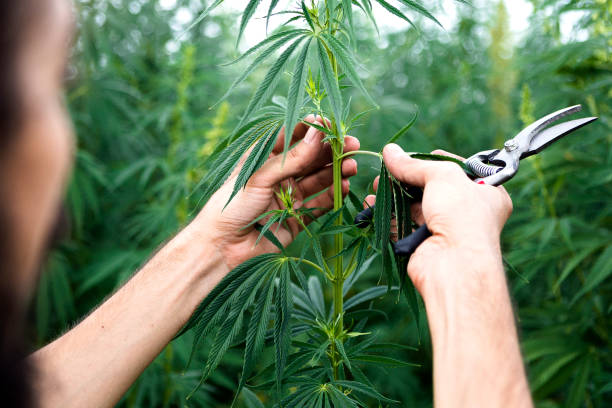
When you think about cannabis therapeutics, Cannabidiol (CBD) and Tetrahydrocannabinol (THC) likely dominate the conversation. Yet one of the plant’s most powerful active compounds hides in plain sight, delivering its peppery aromatic profile across black pepper, cloves, and high-quality cannabis strains. Beta-Caryophyllene stands apart from other terpenes through a remarkable biological distinction: it directly activates CB2 receptors in your endocannabinoid system, functioning as both a terpene and a dietary cannabinoid.
Limonene in skin care: cannabis terpene benefits revealed
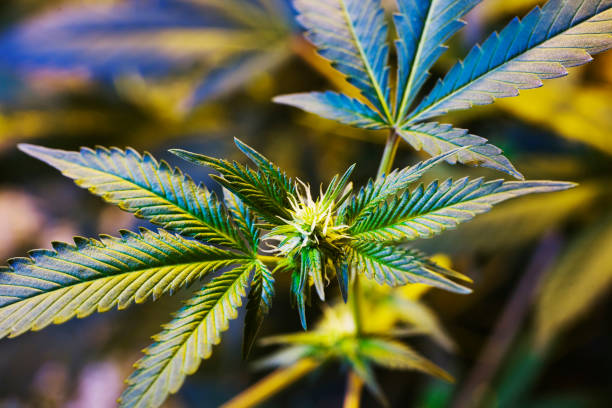
Limonene stands out among Cannabis terpenes for its dual-action benefits in skin care formulations. This naturally derived compound delivers powerful antioxidant and anti-inflammatory effects that address multiple skin concerns simultaneously. Research demonstrates that Limonene enhances wound healing while reducing inflammation, making it particularly valuable for targeted skin treatments.