
Alpha-bisabolol: the calming terpene for cannabis products
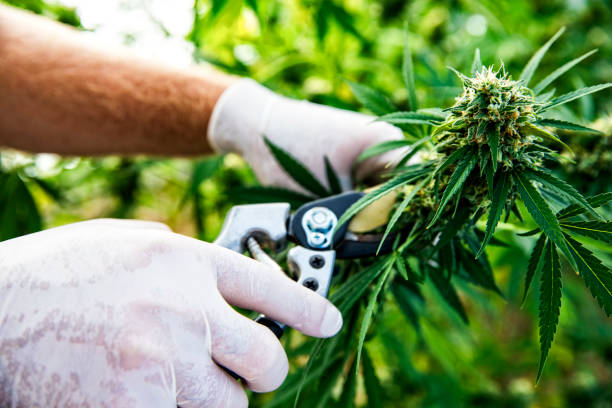
When you think about cannabis compounds that promote relaxation, cannabidiol (CBD) and specific terpenes for anxiety likely come to mind first. Yet alpha-bisabolol, a sesquiterpene found consistently in Cannabis sativa at concentrations exceeding 100 micrograms, deserves equal attention for its remarkable calming properties.
Beta-pinene terpene effects: the complete guide for 2026

Beta-Pinene stands apart from its alpha isomer through distinct chemical behavior and therapeutic potential that researchers are only beginning to understand. Recent 2025 studies reveal this compound acts as a partial agonist on CB1 and CB2 cannabinoid receptors, opening new pathways for cannabis wellness applications without psychoactive effects.
Best terpene company for cannabis brands in 2026
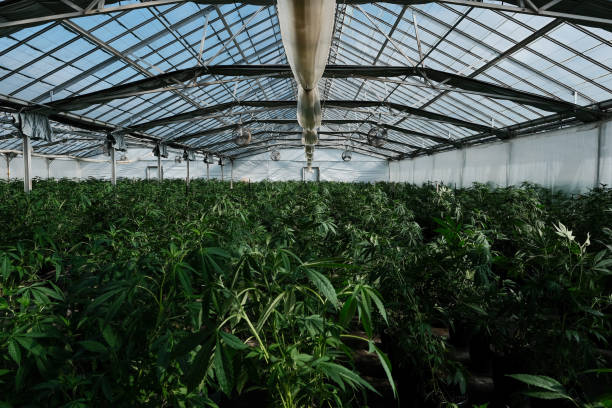
Your cannabis brand’s reputation lives or dies on product consistency. When your vape cartridge delivers different aromas batch-to-batch, or your edible formulation shifts flavor profiles unexpectedly, customers notice immediately. The root cause often traces back to a single decision: your terpene supplier.
What beta-caryophyllene effects mean for cannabis brands
Cannabis brands face intense pressure to differentiate products in an increasingly crowded market. While most companies focus exclusively on Cannabidiol (CBD) and Tetrahydrocannabinol (THC) content, forward-thinking brands recognize that beta-caryophyllene terpene effects offer a powerful competitive advantage. This spicy, peppery compound does something no other terpene can: it directly activates CB2 receptors in the endocannabinoid system, functioning as a dietary cannabinoid without psychoactive properties.
What Beta-Caryophyllene Does for Cannabis Formulations
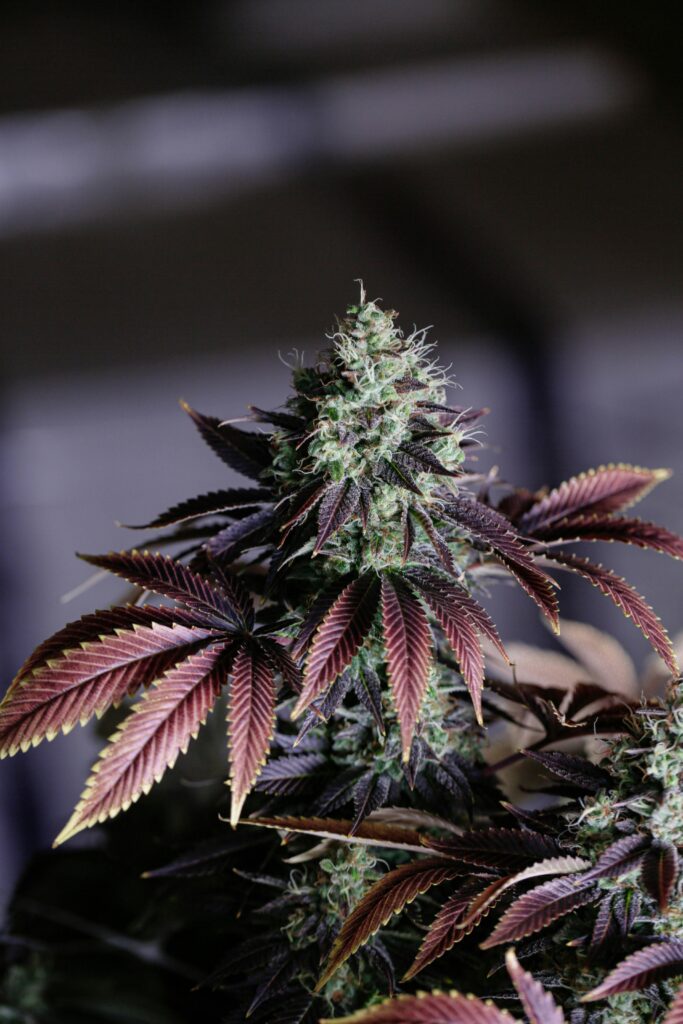
Beta-caryophyllene (BCP) holds a unique position in cannabis formulations because it functions as both an aromatic terpene and a cannabinoid receptor agonist. Unlike most terpenes that primarily provide aroma or subtle modulation, beta-caryophyllene directly activates CB2 receptors throughout the endocannabinoid system without psychoactive effects.
5 High Caryophyllene Strains for Product Development

Beta-caryophyllene stands apart from other terpenes because it functions as a dietary cannabinoid, directly activating CB2 receptors in the endocannabinoid system. This unique mechanism delivers anti-inflammatory and anxiolytic effects without psychoactivity, making caryophyllene strains particularly valuable for formulators targeting wellness consumers. Recent research confirms that cannabis terpenes activate cannabinoid receptors dose-dependently, validating their role in enhancing product effects beyond THC or CBD alone.
What is caryophyllene: your complete guide for brands

When you think about cannabis therapeutics, Cannabidiol (CBD) and Tetrahydrocannabinol (THC) likely dominate the conversation. Yet one of the plant’s most powerful active compounds hides in plain sight, delivering its peppery aromatic profile across black pepper, cloves, and high-quality cannabis strains. Beta-Caryophyllene stands apart from other terpenes through a remarkable biological distinction: it directly activates CB2 receptors in your endocannabinoid system, functioning as both a terpene and a dietary cannabinoid.
Limonene in skin care: cannabis terpene benefits revealed
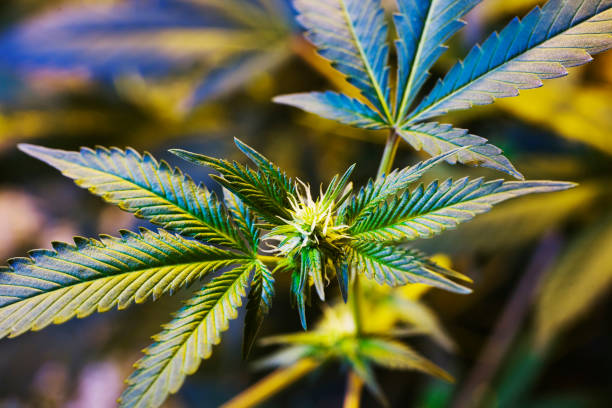
Limonene stands out among Cannabis terpenes for its dual-action benefits in skin care formulations. This naturally derived compound delivers powerful antioxidant and anti-inflammatory effects that address multiple skin concerns simultaneously. Research demonstrates that Limonene enhances wound healing while reducing inflammation, making it particularly valuable for targeted skin treatments.
Limonene side effects vs benefits: what the data shows

Most people encounter d-limonene multiple times daily without realizing it. This monoterpene appears in over 90% of fragranced household cleaning products and roughly 78% of cosmetics labeled as citrus-scented or natural. The compound exists naturally in citrus peels, where it can constitute more than 90% of essential oil content, and occurs across over 300 plant species.
Understanding terpinolene terpene effects in blends
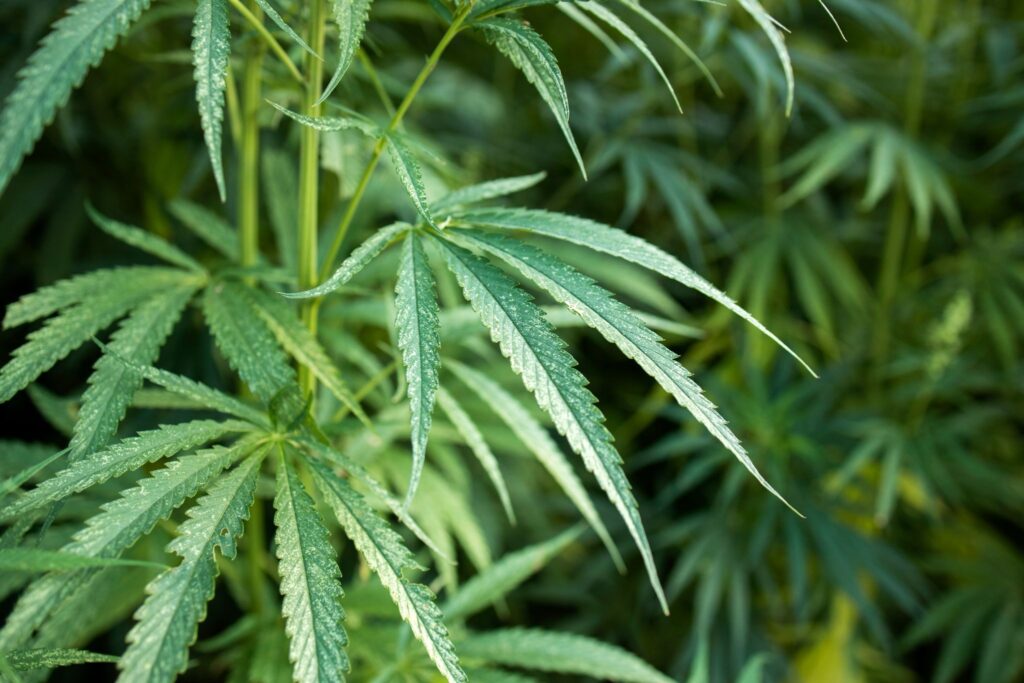
Terpinolene occupies a unique position in cannabis science. While this terpene appears in fewer cultivars as a dominant compound compared to myrcene or caryophyllene, its presence fundamentally shapes the aromatic profile and effects of energizing strains. When terpinolene does appear, it typically reaches concentrations between 15-20%, creating distinctive herbal and pine notes that define sought-after cultivars.
How Terpenes Enhance Your Health Naturally
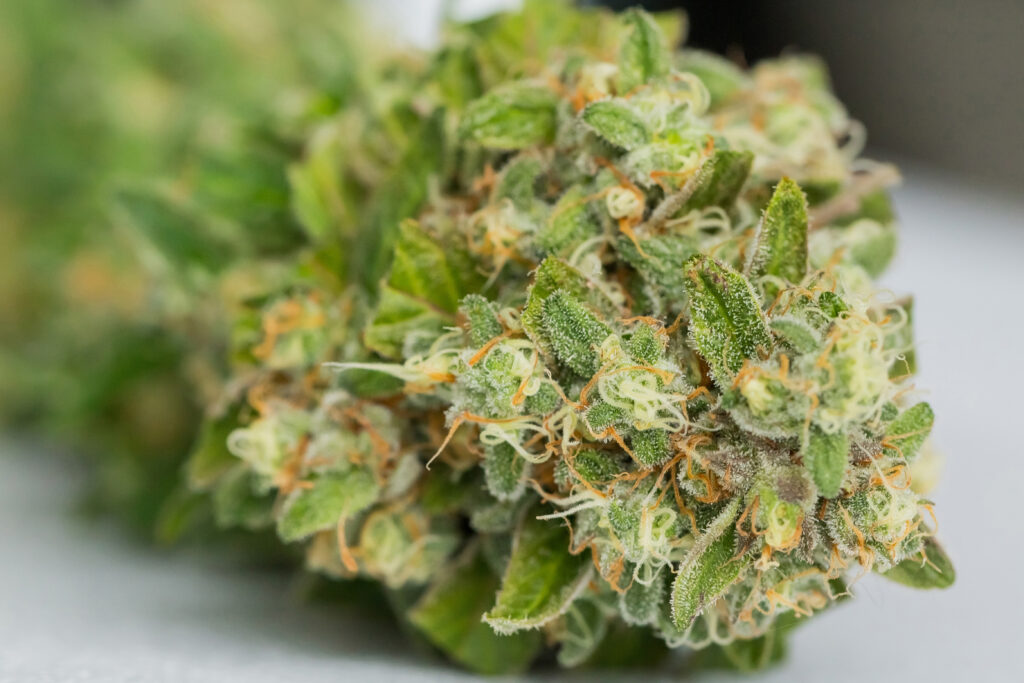
If you like the smell of orange peel, rosemary sprigs, or a lavender bouquet, you’ve already encountered terpenes — the natural aromatic molecules that give plants their distinct scents. Terpenes are all around us, shaping how we experience flavor, fragrance, and even atmosphere.
Myrcene and the Entourage Effect: How Terpenes Work Together

Cannabis doesn’t work in isolation. While cannabinoids like THC and CBD often steal the spotlight, research shows they’re just part of a much larger story. The real magic happens when cannabinoids team up with terpenes ,an aromatic compounds that give cannabis its distinctive scent profiles and shape its effects.
Limonene and the Entourage Effect: How This Terpene Works
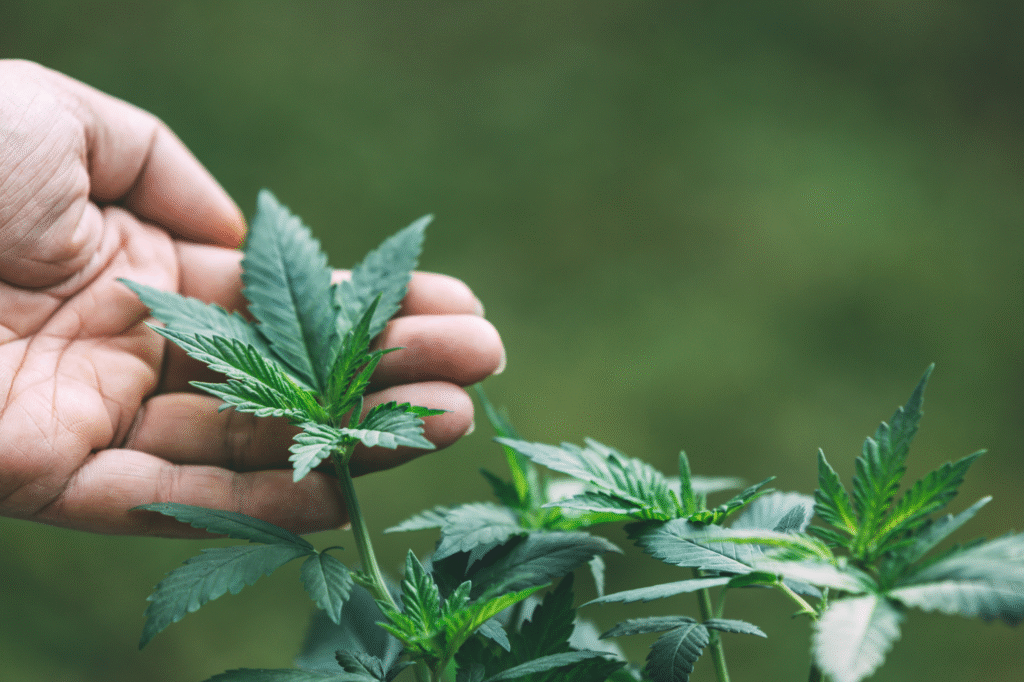
That citrus scent in your favorite strain? It’s limonene terpene working behind the scenes and recent clinical research shows it’s doing far more than adding aroma.
Alpha-Pinene Effects: How This Terpene Boosts Mental Clarity
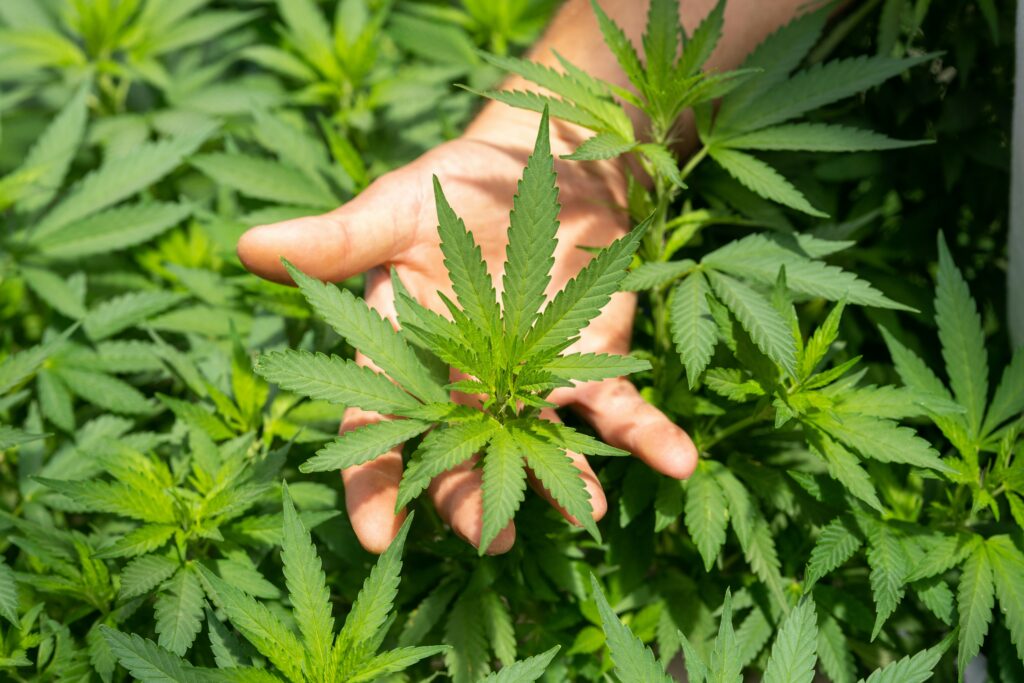
That foggy feeling when you can’t quite focus? There’s actual brain chemistry behind it and a natural compound that might help.
What Are Cannabis Terpene Profiles and Their Effects?
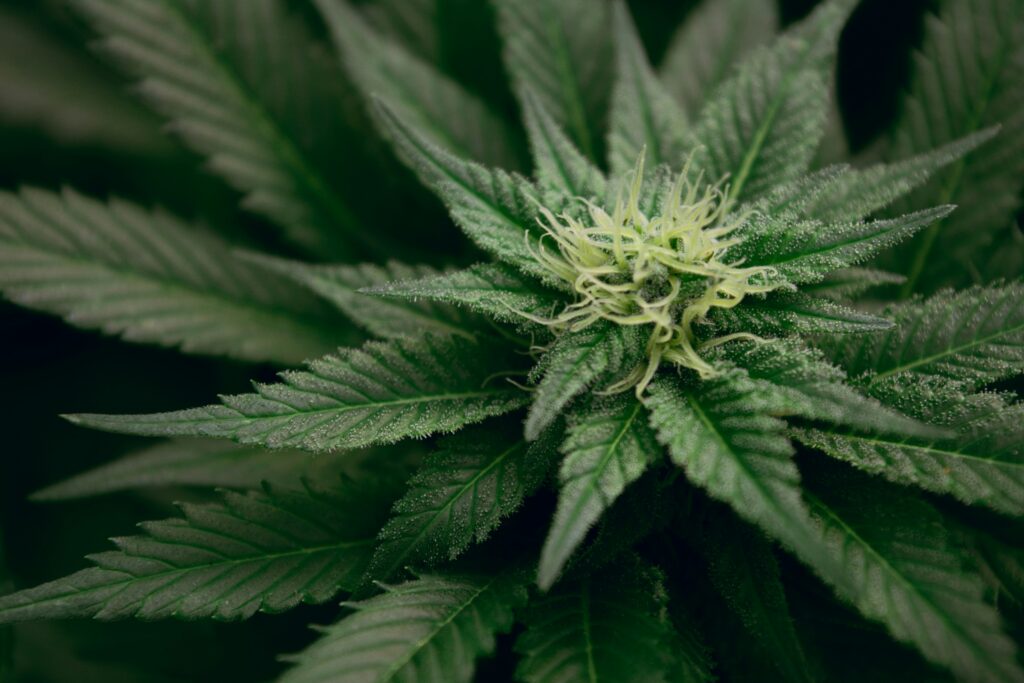
A terpene profile refers to the unique combination and concentration of terpenes found in a specific cannabis product or strain. These profiles help define aroma, flavor, and many of the sensory qualities of cannabis. Knowing how to read and use terpene profiles gives consumers insight into product selection, smell‐and‐taste differences, and how growers and brands design experiences.
What Are the Benefits of Terpenes in Cannabis?

Terpenes are organic molecules that give plants their distinct aromas: citrus, pine, floral, spicy, and earthy notes come from different terpenes. In cannabis, terpenes contribute to each strain’s unique scent and taste and are a major reason two strains can smell and feel different even if their cannabinoid content is similar.